



What's Happening?
A guide to anti-aging serums and moisturizers for women over 40 highlights the importance of ingredients like hyaluronic acid and niacinamide. These components are crucial for supporting skin hydration, elasticity, and overall skin barrier function. The guide emphasizes
that while serums can improve the appearance of fine lines, texture, and hydration, they cannot physically lift sagging tissue or restore lost facial volume. Key ingredients recommended include peptides such as Matrixyl and Argireline for collagen boosting, retinol for skin renewal, Vitamin C and other antioxidants for brightening, hyaluronic acid for plumping, and niacinamide for barrier support and tone regulation. The article also stresses the significance of clean formulations, advising consumers to look for products free of parabens and questionable preservatives, and to prioritize those with EWG-verified ingredients. Consistent daily use, along with complementary habits like adequate sleep, hydration, and sun protection, are presented as vital for maintaining skin health and achieving visible improvements.
Why It's Important?
This information is important for consumers seeking effective and realistic solutions for age-related skin changes. By clarifying the capabilities and limitations of topical skincare products, it helps manage expectations and promotes informed purchasing decisions. The emphasis on specific ingredients like hyaluronic acid and niacinamide, known for their roles in hydration and skin barrier support, guides consumers toward products that offer tangible benefits. Furthermore, the focus on 'clean' formulations and EWG-verified ingredients addresses growing consumer demand for safer, more transparent beauty products, potentially influencing product development and marketing strategies within the skincare industry. Understanding that serums cannot replicate surgical results also encourages a more holistic approach to skincare, integrating lifestyle factors and sun protection, which has broader implications for public health and wellness education.
What's Next?
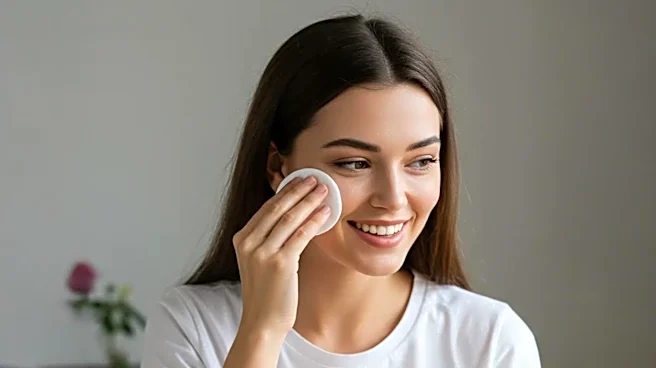
Consumers are encouraged to adopt a consistent daily skincare routine that includes cleansing, serum application, moisturizing, and daily sun protection. For those considering advanced treatments, the guide suggests consulting with dermatologists for persistent irritation or specific skin conditions. The article also recommends tracking progress with baseline photos to objectively assess changes in skin texture, hydration, and firmness over time. The ongoing trend towards personalized and scientifically-backed skincare ingredients is likely to continue, with brands focusing on transparent formulations and educating consumers on realistic outcomes. The demand for products that support the skin barrier and offer antioxidant benefits will likely drive further innovation in ingredient research and product development, particularly for the demographic of women over 40.
Beyond the Headlines
The discussion around anti-aging skincare extends beyond mere aesthetics, touching upon broader themes of self-care, consumer education, and the ethical responsibilities of the beauty industry. The distinction between what topical products can and cannot achieve highlights a critical need for transparency in marketing, preventing consumers from investing in products with unrealistic expectations. The emphasis on ingredients like niacinamide and hyaluronic acid underscores a shift towards understanding skin health at a cellular level, promoting products that support the skin's natural functions rather than just superficial changes. This approach fosters a more sustainable and health-conscious beauty culture, where informed choices are prioritized over quick fixes. Moreover, the integration of lifestyle factors like sleep and hydration into skincare advice reflects a growing recognition of the interconnectedness of overall well-being and skin appearance.