






What's Happening?
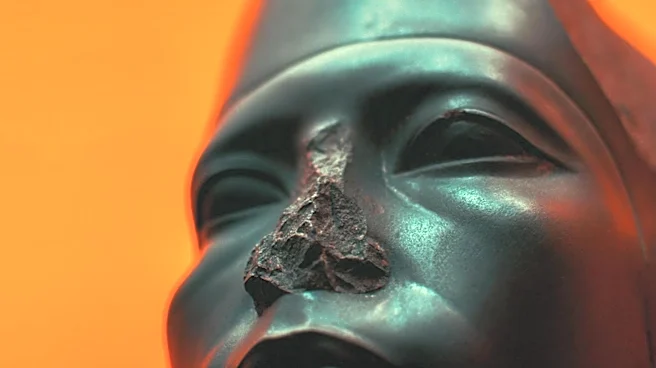
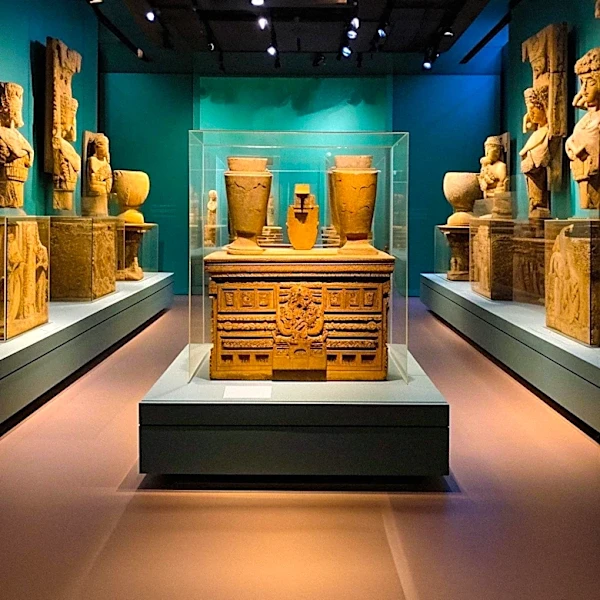
The de Young Museum in San Francisco has launched a major exhibition titled 'Treasures of the Pharaohs,' featuring 130 ancient Egyptian artifacts. The exhibition, which opened on August 1, 2026, offers a rare glimpse into Egypt's rich history with items
spanning 3,000 years. Notable pieces include the necklace of Ahhotep with golden flies and the collar of Psusennes I, both significant for their historical and cultural value. The exhibition is curated by Dr. Tarek el Awady, former director of the Egyptian Museum in Cairo, who emphasized the uniqueness of the collection, noting that many items are unlikely to travel again due to their significance and fragility. The exhibition aims to attract visitors to appreciate the artistry and history of ancient Egypt, while also highlighting the importance of preserving such heritage.
Why It's Important?
This exhibition is significant as it brings a substantial collection of Egyptian artifacts to the United States, allowing American audiences to engage with ancient history and culture firsthand. It underscores the ongoing fascination with Egyptian civilization and its contributions to art, culture, and history. The exhibition also raises awareness about the challenges of artifact preservation and the ethical considerations surrounding the display of foreign cultural treasures. By showcasing these artifacts, the de Young Museum not only enhances cultural understanding but also supports Egypt's efforts to promote its heritage and attract tourism, which is vital for the country's economy and preservation efforts.
What's Next?
The 'Treasures of the Pharaohs' exhibition will run until January 31, 2027, providing ample opportunity for visitors to explore the collection. The museum anticipates high demand and has prepared for significant visitor turnout. The exhibition may also spark discussions on the provenance of artifacts and the responsibilities of museums in preserving and displaying cultural heritage. Additionally, it could lead to further collaborations between international museums and Egyptian authorities to promote cultural exchange and support heritage conservation efforts.