





What's Happening?
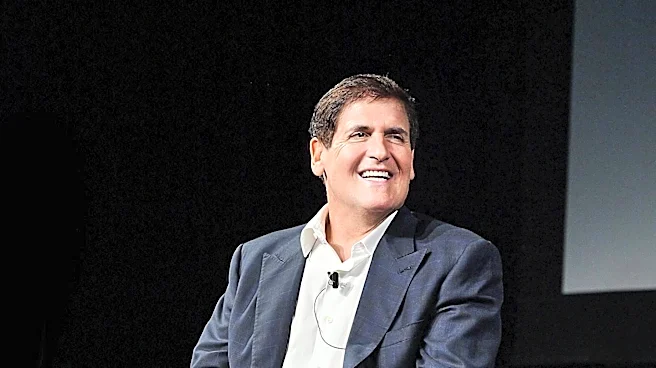
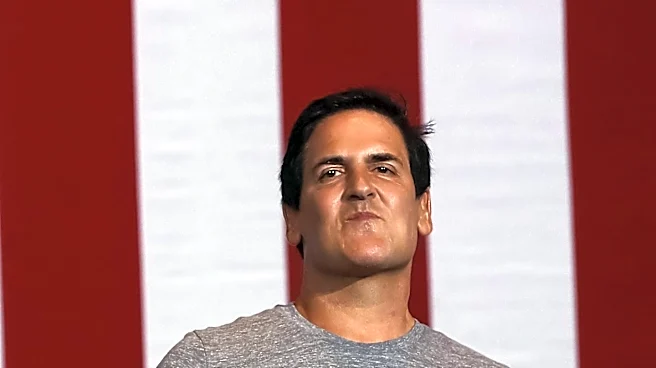
Mark Cuban, entrepreneur and TV personality, has launched the Mark Cuban Cost Plus Drug Company (MCCPDC) to disrupt the traditional prescription drug pricing model in the United States. The company's goal is to make medications more affordable for Americans,
including those without insurance or with high-deductible plans. MCCPDC operates by negotiating directly with manufacturers to secure lower prices, then applies a transparent pricing structure: their cost plus a 15% markup for profit, plus a $5 pharmacy fee. This model aims to eliminate pharmacy middlemen and provide clear cost breakdowns to consumers. For instance, Albendazole, a drug for hookworm, costs MCCPDC $26.08, is marked up to $30, and with the pharmacy fee, sells for $35, significantly less than the market price of up to $500. A 2026 analysis by 3 Axis Advisors, conducted for MCCPDC, indicated an average price reduction of 67% compared to traditional pharmacy benefit manager pricing for commercial payers, with savings reaching up to 93% on higher-cost bioequivalent medications.
Why It's Important?
The initiative by Mark Cuban's company is significant because it directly addresses the long-standing issue of high prescription drug costs in the U.S., which often leave many Americans unable to afford necessary medications even with insurance. By introducing transparency and a simplified pricing model, MCCPDC challenges the complex and often opaque pricing structures of the pharmaceutical industry. This could lead to substantial savings for consumers, particularly those paying cash for generics or facing high deductibles. The potential for up to 93% savings on certain bioequivalent drugs highlights the considerable financial relief this model could offer. The company's approach could also pressure traditional pharmacy benefit managers and drug manufacturers to re-evaluate their pricing strategies, potentially fostering greater competition and affordability across the broader pharmaceutical market. This effort could empower consumers by providing them with clearer information and more affordable options for their healthcare needs.
What's Next?
The Mark Cuban Cost Plus Drug Company plans to expand its reach and impact by adding more insurance plans to its accepted list in the coming months, which currently includes Capital Blue Cross, Oread Rx, and RxPreferred. This expansion will allow a wider range of insured individuals to benefit from their pricing model. Consumers, especially those with Medicare Part D, will need to carefully compare MCCPDC prices with their insurance copays and deductibles to determine the most cost-effective option for each prescription. While MCCPDC offers lower prices on many generics, Medicare Part D enrollees should consider that purchases through MCCPDC do not count towards their deductible or out-of-pocket caps. This means individuals on expensive, long-term medications might still find it beneficial to use their Medicare coverage to reach annual spending limits. The company's continued growth and acceptance by more insurers could further disrupt the pharmaceutical market, potentially leading to broader industry changes in drug pricing and transparency.
Beyond the Headlines
The Mark Cuban Cost Plus Drug Company's model represents a broader movement towards consumer-centric healthcare solutions and increased transparency in industries traditionally characterized by complex pricing. This initiative could spark deeper conversations about the ethical responsibilities of pharmaceutical companies and the role of intermediaries in drug pricing. If successful on a larger scale, it might encourage regulatory bodies to examine existing drug pricing mechanisms and consider policies that promote greater transparency and affordability. The company's direct-to-consumer approach, bypassing traditional pharmacy benefit managers, could also inspire similar disintermediation efforts in other sectors of the healthcare industry. This shift could empower patients with more control over their healthcare spending and foster a more competitive environment, ultimately leading to a re-evaluation of how essential goods and services are priced and delivered in the U.S.