








What's Happening?
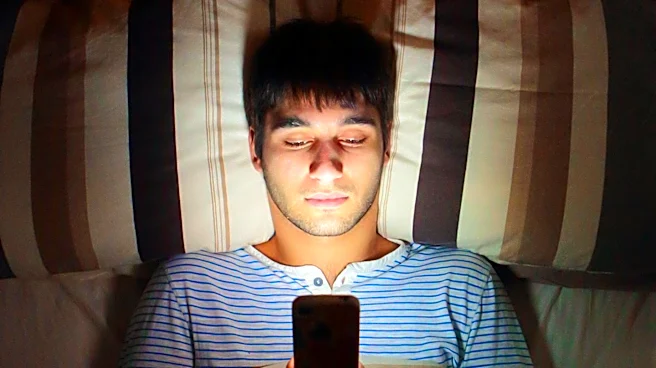
Excessive screen time, particularly interactive use like scrolling and messaging, significantly disrupts sleep patterns and negatively impacts mental health. Research indicates that 1.5 hours of bright screen use in the evening can delay melatonin production,
making it harder to fall asleep and reducing REM sleep. This effect is compounded over several nights, potentially shifting the body's natural sleep clock by 1.5 hours. Interactive screen activities are more alerting than passive viewing, keeping the brain in a 'response mode' when it should be winding down. Adults spend an average of 10 hours a day on screens, leading to physical ailments such as headaches and neck pain, and mental health issues like anxiety and depression. Teenagers aged 12 to 17 who exceed four hours of daily screen time show more than double the symptoms of anxiety and depression.
Why It's Important?
The widespread impact of screen time on sleep and mental health has critical implications for public health and productivity in the U.S. Poor sleep quality, exacerbated by late-night screen use, can lead to daytime exhaustion, reduced concentration, and impaired cognitive function, affecting academic performance in students and productivity in the workforce. The link between screen time and increased anxiety and depression symptoms, particularly in teenagers, highlights a growing mental health crisis that requires urgent attention. This issue affects individuals across all age groups, contributing to a decline in overall well-being and potentially increasing healthcare burdens. Understanding the specific effects of interactive versus passive screen use is crucial for developing targeted interventions and promoting healthier digital habits.
What's Next?
To mitigate the negative effects of screen time, recommendations include limiting screen use before bed, utilizing night mode settings on devices, and engaging in non-screen activities that require sustained concentration. Individuals are advised to move interactive screen activities to earlier in the day and establish a consistent screen curfew, aiming for at least 30 to 60 minutes of screen-free time before sleep. For those struggling with sleep, particularly during life stages like menopause, additional strategies such as creating a cool, dark sleep environment and avoiding checking phones during nighttime awakenings are suggested. Public health campaigns and educational programs may increasingly focus on promoting digital detox practices and raising awareness about the physiological impacts of screen light and content on the brain.
Beyond the Headlines
The pervasive influence of screen time extends beyond immediate health concerns, touching upon deeper societal and behavioral patterns. The design of digital platforms, particularly social media feeds, is engineered to be highly engaging and addictive, creating a constant loop of small decisions and rewards that keeps users hooked. This 'response mode' can hinder the brain's ability to disengage and relax, impacting not only sleep but also the capacity for deep thought and sustained attention in daily life. The issue also raises questions about digital literacy and the need for individuals to develop self-regulation skills in an increasingly connected world. The long-term effects on cognitive development, social interaction, and emotional regulation, especially in younger generations, warrant continued research and a re-evaluation of how technology is integrated into daily routines.