





What's Happening?
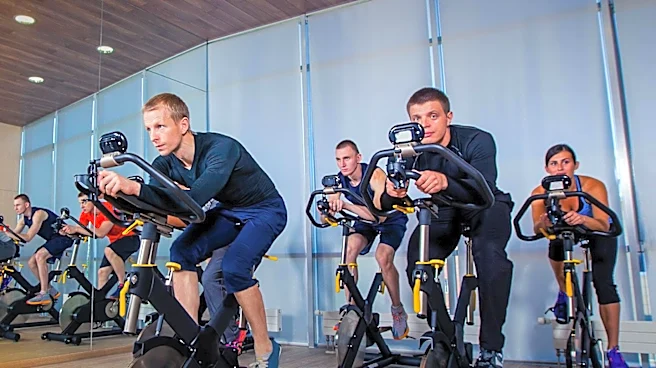
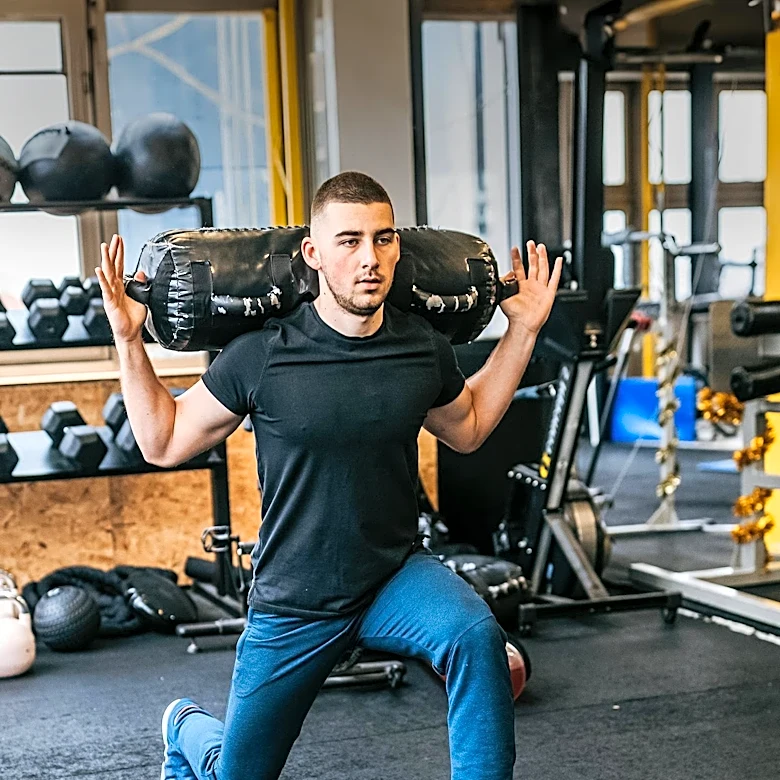
Fitness experts are highlighting the importance of consistency and adaptability in developing effective workout routines. A balanced fitness plan typically integrates full-body resistance training, cardiovascular exercises, and mobility work. The most
effective schedules often involve 3-6 days of strength training per week, complemented by 3-4 days of cardiovascular workouts and regular mobility exercises. The emphasis is placed on consistent, manageable sessions rather than sporadic, high-intensity bursts that can lead to burnout. A good workout plan generator should organize training around individual goals, available time, equipment, and recovery needs, adjusting as real-world progress or challenges arise. This approach moves beyond static routines to create personalized plans that are flexible enough to accommodate life's disruptions while still promoting gradual progression.
Why It's Important?
This shift in focus from rigid, high-intensity regimens to consistent, adaptable routines is crucial for long-term health and fitness in the U.S. It addresses common barriers to exercise adherence, such as time constraints, varying energy levels, and the risk of injury from overtraining. By prioritizing consistency and recovery, individuals are more likely to sustain their fitness efforts, leading to improved public health outcomes. For the fitness industry, this means a greater demand for personalized training solutions and adaptive workout technologies. Businesses that offer flexible, goal-oriented programs and tools that help individuals adjust their routines based on real-time feedback will likely see increased engagement and success. This approach also empowers individuals to take a more sustainable and less intimidating path to fitness, potentially broadening participation across different demographics.
What's Next?
The trend towards personalized and adaptable fitness routines is expected to continue, with further integration of technology to facilitate this approach. AI-powered workout plan generators and fitness trackers will likely become more sophisticated, offering real-time adjustments based on performance, recovery, and schedule changes. Fitness professionals will increasingly focus on coaching clients to understand the principles of adaptable training, rather than just prescribing fixed routines. There will also be a greater emphasis on educating individuals about the importance of recovery, nutrition, and sleep as integral components of a successful fitness journey. This holistic view of wellness, supported by flexible training methodologies, will likely lead to more sustainable fitness habits and better overall health for the population.
Beyond the Headlines
The emphasis on consistency and adaptability in fitness routines reflects a broader cultural shift towards sustainable well-being over short-term, extreme efforts. This approach challenges the often-glamorized image of intense, grueling workouts, promoting a more balanced and realistic view of physical activity. Ethically, it encourages self-compassion and listening to one's body, reducing the pressure to conform to unrealistic fitness ideals. Legally, as fitness technology advances, there may be increased scrutiny on data privacy and the ethical use of AI in personalized health recommendations. Culturally, this movement could foster a more inclusive fitness environment, making exercise accessible and appealing to a wider range of individuals, regardless of their starting fitness level or lifestyle demands. It underscores the idea that fitness is a lifelong journey, not a destination achieved through temporary hardship.