



What's Happening?
Nicole Miller, the founder of her eponymous fashion brand, is celebrating 45 years in the business in 2027. Miller, who initially aspired to be a model, shifted her focus to design after realizing she wouldn't meet the height requirements. She attended
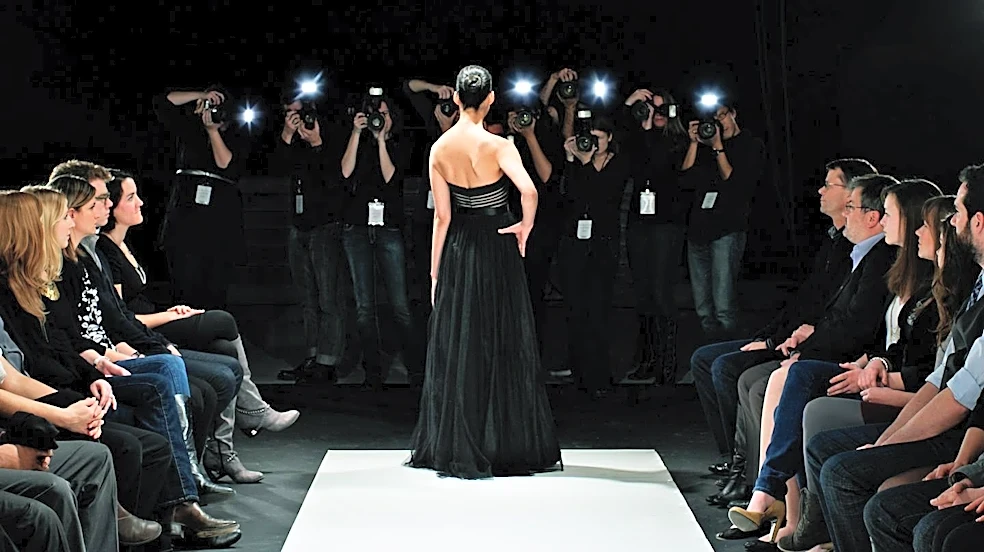
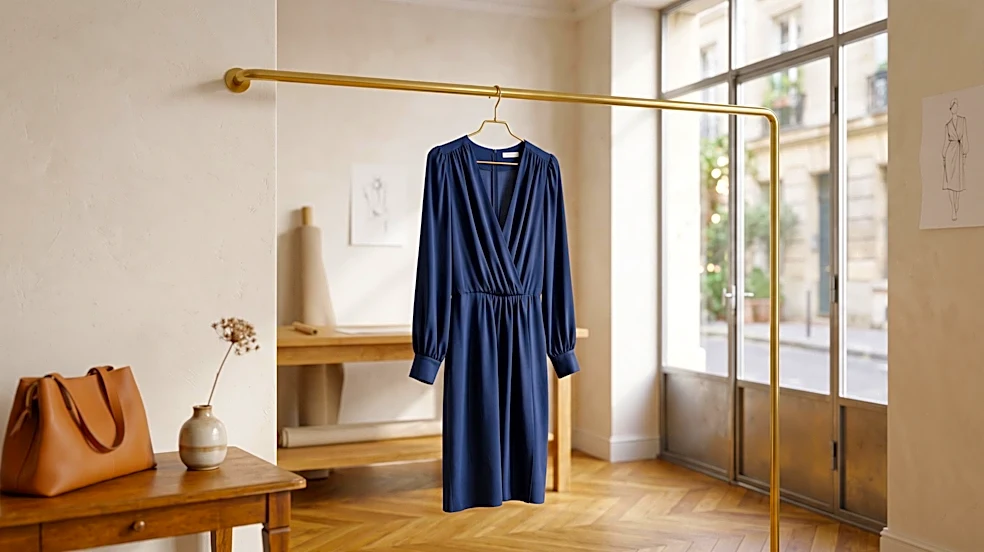
the Rhode Island School of Design and the Chambre Syndicale in Paris, earning two degrees in four years. After working for other New York City fashion companies, she co-founded Nicole Miller in 1982 with Bud Konheim, who served as her business partner for 37 years. The company began as a dress brand, quickly achieving significant success with a blouson dress that sold $5 million in its first year. Over the decades, the brand expanded into sportswear and numerous licensing deals, including handbags, shoes with Stuart Weitzman, perfume, and even men's ties, which became a substantial business. A pivotal moment for the brand was its first fashion show in spring 1991, featuring supermodels like Christy Turlington, Linda Evangelista, and Naomi Campbell, which elevated its status from a commercial brand. Following Konheim's death in 2019, Miller and her husband managed the business until it was sold to Gordon Brothers in February 2022. Today, Nicole Miller has 38 licensees, with Miller primarily involved in print and silhouette direction.
Why It's Important?
Nicole Miller's journey reflects significant shifts and enduring challenges within the U.S. fashion industry over nearly five decades. Her brand's evolution from a dress company to one with extensive licensing agreements highlights the strategic diversification often necessary for longevity in a competitive market. The early success of a single dress design underscores the power of a breakout product, while the later expansion into various categories, including men's ties, demonstrates adaptability to consumer trends and market opportunities. The anecdote about the Metropolitan Opera ties illustrates both the creative risks designers took in the past regarding intellectual property and the organic ways products could gain traction. The transition from independent ownership to acquisition by an investment firm like Gordon Brothers is a common trajectory for established brands seeking new capital or management, indicating broader consolidation trends in the industry. Miller's continued involvement with licensees also showcases a model where founders maintain creative influence while leveraging external partners for production and distribution, impacting how brand legacies are sustained in the modern fashion landscape.
What's Next?
For spring 2027, Nicole Miller will present a collection featuring some of her favorite looks from over the years, including reinvented designs. This collection will be available through custom orders and trunk shows, indicating a shift towards a more exclusive, direct-to-consumer model for her core designs. The brand is also considering licensing out a more affordably priced cocktail collection, which would expand its market reach and cater to a broader consumer base. This strategy suggests a dual approach: maintaining high-end, custom offerings while also tapping into the mass market through licensing. Miller continues to work with her creative director on concepts and storyboards, remaining actively involved in the brand's aesthetic direction. She also plans to hold annual summits covering business, marketing, and design with her licensees, ensuring cohesive brand messaging and product development across all categories. While manufacturing was paused, Miller mentioned the possibility of resuming it, which could signal a future return to direct production for certain lines.
Beyond the Headlines
Nicole Miller's career offers a deeper look into the evolution of designer-brand relationships and the changing landscape of intellectual property in fashion. Her recollection of using logos without explicit permission for early tie designs, such as the Metropolitan Opera ticket print or combining Hershey's and Mars logos, highlights a bygone era of less stringent copyright enforcement and a more collaborative, albeit sometimes informal, approach to brand integration. This contrasts sharply with today's highly litigious environment where intellectual property is fiercely protected. The brand's journey from a focus on 'cool fun dresses' to a vast licensing empire with 38 licensees also reflects a broader industry trend where designers become brand architects, overseeing diverse product categories rather than solely focusing on apparel. Miller's observation that contemporary fashion is 'avant-garde and crazy' compared to her more 'realistic' beginnings points to a cultural shift in design philosophy, where creativity often pushes boundaries beyond immediate commercial viability, raising questions about the balance between artistic expression and market demand in modern fashion.