





What's Happening?
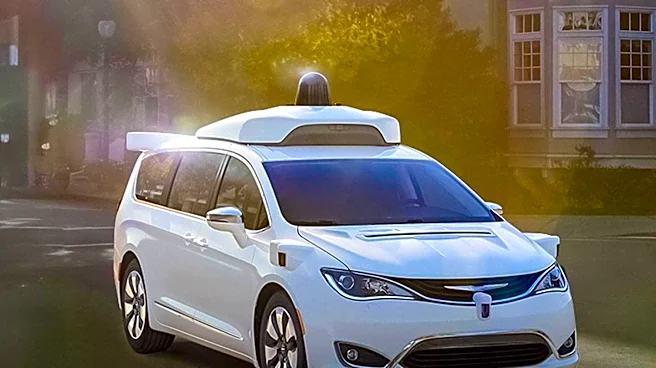
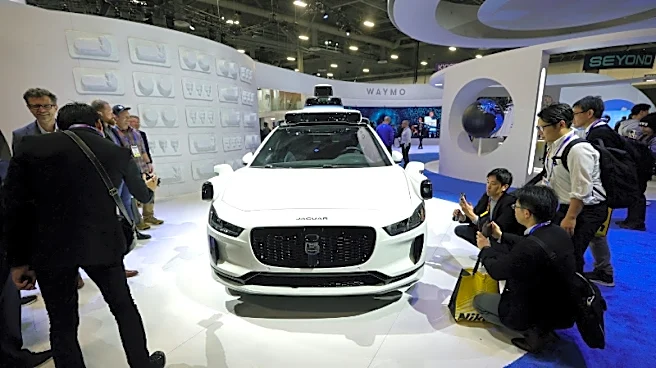
Waymo has officially launched its public rideshare service in Las Vegas, offering fully autonomous point-to-point pickups and drop-offs. The service currently covers a 24-square-mile area, extending a few miles east and west of Interstate 15, and reaching
from Boulder Junction in the south to the northern terminal of the Las Vegas Strip. Mark Lewis, a spokesperson for Waymo, highlighted the company's focus on safety and its intention to serve both tourists and local residents for daily activities. While acknowledging the novelty of driverless vehicles, Lewis emphasized that safety is the core reason for Waymo's existence. The pricing structure is designed to be familiar to users of existing rideshare apps, and the service is accessible through the Waymo app, which allows users to request rides and view estimated arrival times. Waymo has also trained over 400 first responders in Las Vegas on how to manually operate their vehicles in urgent situations, and fleet support is available to guide the autonomous vehicles remotely.
Why It's Important?
The launch of Waymo's self-driving rideshare service in Las Vegas marks a significant step in the commercialization and public adoption of autonomous vehicle technology in the U.S. This expansion beyond tourist-centric areas to include residential communities indicates a broader strategy to integrate driverless cars into daily urban transportation. The emphasis on safety, including the training of first responders and remote fleet support, is crucial for building public trust and addressing concerns about autonomous vehicle reliability. For the transportation industry, this represents a growing challenge to traditional rideshare models and could influence urban planning and infrastructure development. The service's availability to a wider demographic, rather than just visitors, suggests a potential shift in how people commute and access services, impacting local economies and potentially reducing reliance on personal vehicle ownership in the long term. The competitive landscape with other autonomous vehicle companies like Zoox, which operates in different areas, highlights the ongoing race to dominate the self-driving market.
What's Next?
Waymo's next steps will likely involve expanding its service area within Las Vegas and potentially to other U.S. cities, as well as increasing the number of available vehicles to reduce the current 100,000-person waitlist for approvals. The company will continue to refine its autonomous driving technology, particularly in handling complex urban environments and diverse weather conditions. Public feedback and usage data will be critical in shaping future developments and service enhancements. There will also be ongoing efforts to educate the public and local authorities about the safety and benefits of autonomous vehicles, which could influence regulatory frameworks and public policy regarding self-driving technology. As the service matures, Waymo may explore partnerships with local businesses and transportation hubs to further integrate its offerings into the city's ecosystem. The competition with other autonomous vehicle providers will likely intensify, leading to further innovation and potentially more widespread adoption of driverless transportation solutions.
Beyond the Headlines
The introduction of Waymo's self-driving service in Las Vegas carries deeper implications beyond immediate transportation convenience. Ethically, the deployment of autonomous vehicles raises questions about liability in accidents and the decision-making algorithms embedded within the AI, particularly in unforeseen circumstances. The shift towards driverless rideshares could also have significant societal impacts, including potential job displacement for human drivers and changes in urban mobility patterns. Culturally, the public's acceptance of relinquishing control to an AI-driven vehicle will be a key factor in its long-term success, requiring a fundamental change in trust and perception. The technology's ability to serve residential areas suggests a move towards more equitable access to transportation, potentially benefiting individuals who face mobility challenges. Furthermore, the data collected by these vehicles could offer unprecedented insights into urban traffic flow and consumer behavior, leading to new forms of urban planning and personalized services, while also raising concerns about data privacy and surveillance.