








What's Happening?
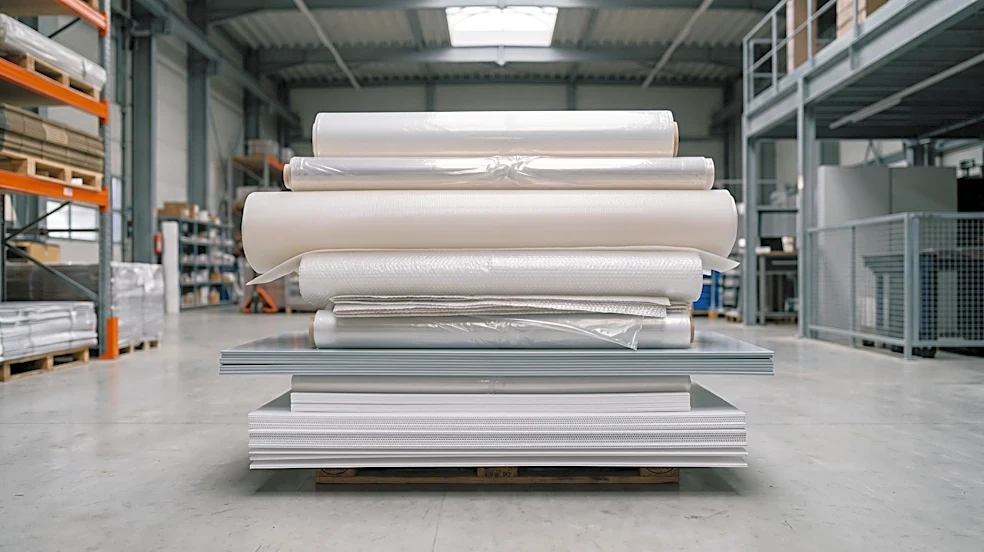
Germany's Federal Ministry of Finance has proposed a new tax of €550 per ton on plastic packaging, slated to begin in July 2027. This draft legislation would apply to plastic packaging, flexible packaging, and composite formats containing over 5% plastic.
The tax would be levied when eligible packaging is manufactured in Germany, brought into the country, or imported. This initiative aims to reduce plastic consumption and generate additional revenue for the federal budget. The proposal suggests that recycled plastics may qualify for an exemption, though companies would need to apply for this treatment. This new regulatory cost layer would exist alongside current Extended Producer Responsibility requirements and the European Union's Packaging and Packaging Waste Regulation. The legislation has not yet been approved by the German parliament, and its proposed implementation date is uncertain due to opposition from members of the CDU/CSU parliamentary group, who have submitted objections.
Why It's Important?
This proposed plastic packaging tax in Germany could significantly impact the packaging and manufacturing industries, both within Germany and potentially across the EU. Industry groups, including PlasticsEurope Germany and IK Industrievereinigung Kunststoffverpackungen, have voiced strong criticism, warning of competitive disadvantages for German manufacturers. They argue the tax was developed too quickly and fails to adequately differentiate between reusable packaging, deposit systems, recyclability, and the use of recycled materials. A key concern is the potential for unintended material substitution, where companies might switch to alternative materials that are not necessarily easier to recycle, such as fiber-based composite packaging, which can be more complex to process. While environmental groups support the principle of a packaging tax, they advocate for a focus on single-use packaging and a broader, material-neutral approach that includes other materials like paper, board, and metal, rather than solely targeting plastic.
What's Next?
The proposed legislation faces further negotiations and an uncertain path to approval in the German parliament. Opposition from the CDU/CSU parliamentary group has already delayed its progress, indicating that the July 2027 implementation date is not guaranteed. Industry stakeholders will likely continue to lobby for modifications to the draft, particularly regarding exemptions for recycled content and a more nuanced approach to different packaging types. The debate will continue to highlight the complexities of using material-specific taxation to influence packaging design, as environmental performance depends on various factors beyond just the material itself, including product protection, recyclability, reuse, and overall material efficiency. The outcome of these discussions will determine the final scope and impact of the tax on German and potentially European packaging markets.
Beyond the Headlines
The German proposal reflects a broader global trend towards addressing plastic waste and promoting circular economy principles. However, the strong industry backlash underscores the challenges of implementing such policies effectively without creating unintended consequences. The concern about material substitution highlights a critical ethical and practical dilemma: policies designed to target one environmental problem (plastic waste) might inadvertently exacerbate others (e.g., increased use of difficult-to-recycle composites). This situation calls for a holistic approach to packaging regulation that considers the entire lifecycle and environmental footprint of materials, rather than focusing on a single material type. The ongoing debate in Germany could serve as a case study for other nations considering similar taxes, emphasizing the need for comprehensive impact assessments and stakeholder engagement to ensure that environmental policies achieve their intended goals without undermining economic competitiveness or creating new ecological burdens.