



What's Happening?
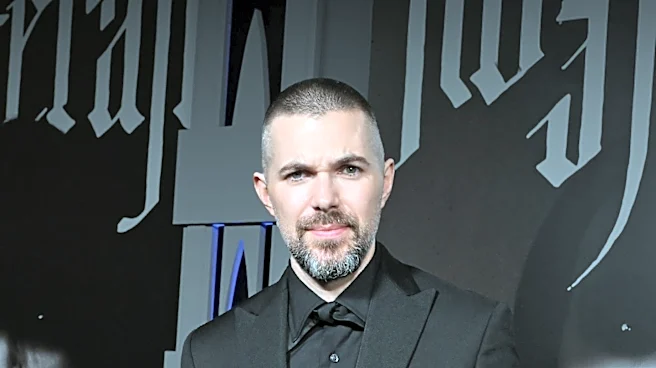
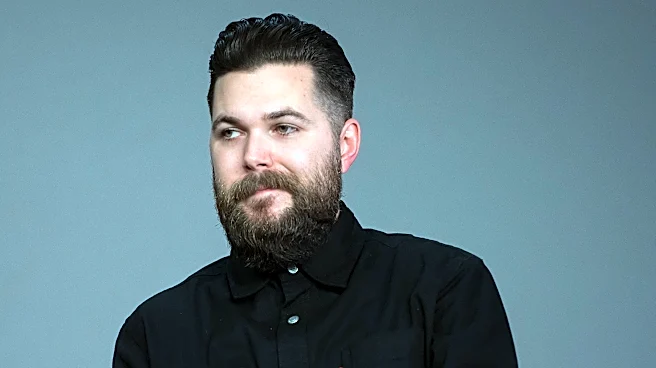
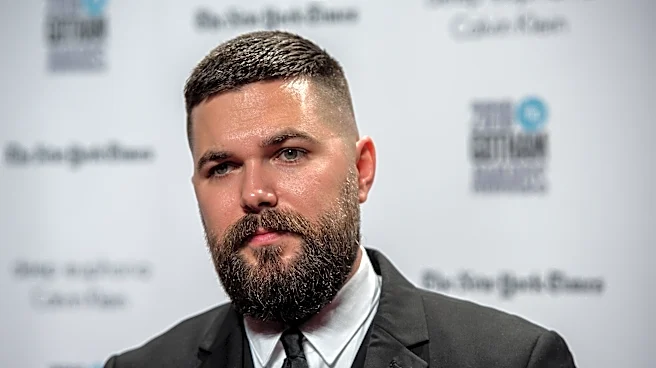
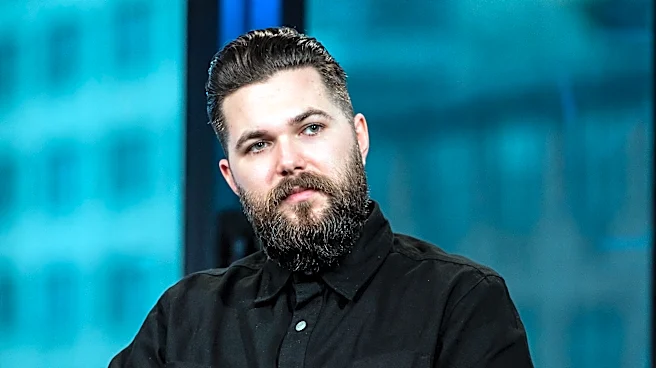
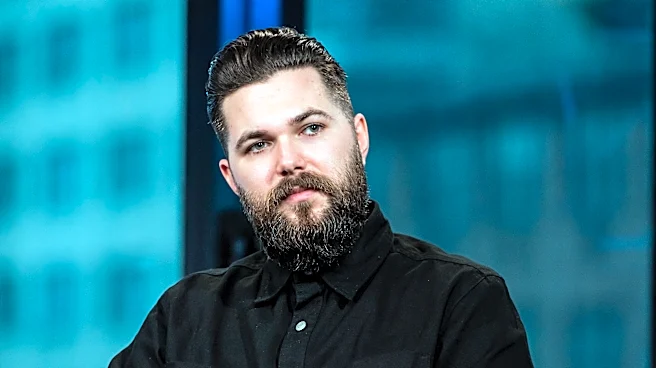
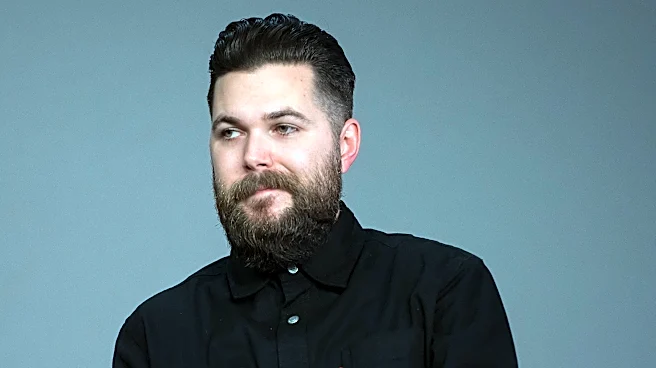
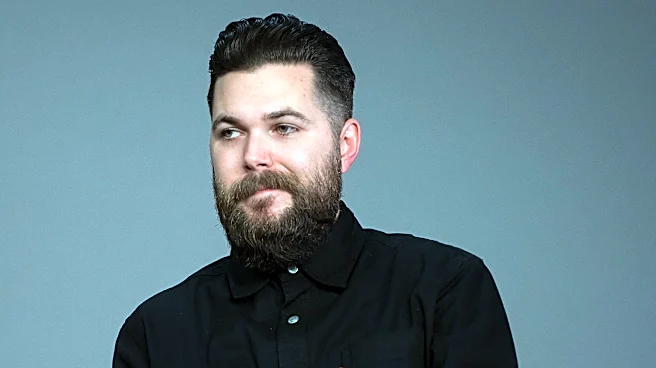
Filmmaker Robert Eggers has indicated his intention to take a break from the horror genre following the release of his upcoming film, 'Werwulf', scheduled for December 25, 2026. Eggers expressed a desire for a creative reset, citing creative fatigue after
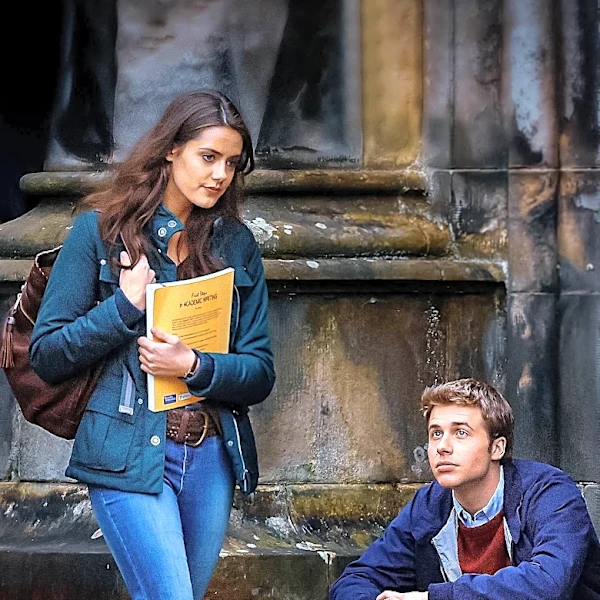
consistently working on dark material. He had begun writing another horror screenplay post-'Werwulf' but found himself returning to increasingly bleak themes, prompting him to reconsider his next project. This decision does not signify a permanent departure from horror, as he has left open the possibility of returning to the genre for projects like 'The Mummy' or 'The Phantom of the Opera'. Instead, he is reportedly set to direct an adaptation of William Shakespeare's 'Romeo and Juliet' for Focus Features, a project secured after a bidding war. This move would mark a significant shift from his established filmography, which is known for period settings, psychological unease, folklore, and supernatural threats.
Why It's Important?
This shift in Robert Eggers' directorial focus is significant for the film industry and his audience. Eggers has cultivated a distinct reputation for his atmospheric and period-authentic horror films, such as 'The Witch', 'The Lighthouse', and 'Nosferatu'. His temporary move away from horror could signal a broader trend among acclaimed genre filmmakers seeking diverse creative outlets, potentially influencing other directors to explore different storytelling frameworks. For Focus Features, securing an Eggers-directed 'Romeo and Juliet' adaptation represents a high-profile project that could attract both his existing fanbase and a new audience interested in classic literature adaptations. This could also impact the perception of literary adaptations, potentially bringing a unique, intense directorial style to a well-known tragedy. The decision highlights the creative pressures and potential burnout experienced by filmmakers working within specific genres, underscoring the importance of artistic rejuvenation.
What's Next?
Robert Eggers' immediate next step is the release of 'Werwulf' on December 25, 2026, which will be his final horror film for the foreseeable future. Following this, he is expected to commence work on the 'Romeo and Juliet' adaptation for Focus Features. This project will likely involve casting announcements, pre-production, and eventually filming, marking a new chapter in his career. The reception of 'Werwulf' will be closely watched, as it represents the culmination of his current horror phase. Industry observers will also be keen to see how his distinctive directorial style translates to a non-horror, human-centric tragedy like 'Romeo and Juliet'. The success of this adaptation could further broaden his appeal and influence, potentially opening doors for other filmmakers to transition between genres more fluidly. His comments suggest that while he needs a break, a return to horror in the distant future remains a possibility.
Beyond the Headlines
Eggers' decision to pivot from horror to a classic tragedy like 'Romeo and Juliet' delves into deeper implications regarding artistic identity and the boundaries of genre. While seemingly a stark contrast, both genres explore profound human experiences: horror often externalizes internal fears and societal anxieties through supernatural elements, while tragedy confronts human conflict, love, and mortality directly. This move could allow Eggers to explore similar thematic depths through a different lens, focusing on human psychology and relationships rather than monsters. It challenges the notion of a filmmaker being confined to a single genre, suggesting that creative growth can necessitate stepping outside established comfort zones. The adaptation of a Shakespearean play by a director known for his meticulous period detail and intense atmosphere could offer a fresh, perhaps even unsettling, interpretation of a familiar story, potentially redefining how classic literature is brought to the screen in contemporary cinema.