




What's Happening?
The unmasking scene in Quentin Tarantino's film 'Django Unchained,' where KKK members struggle with poorly made masks, is noted for its comedic effect and hidden cameos. Director Quentin Tarantino himself appears in the scene as Robert (Bag Head #1),
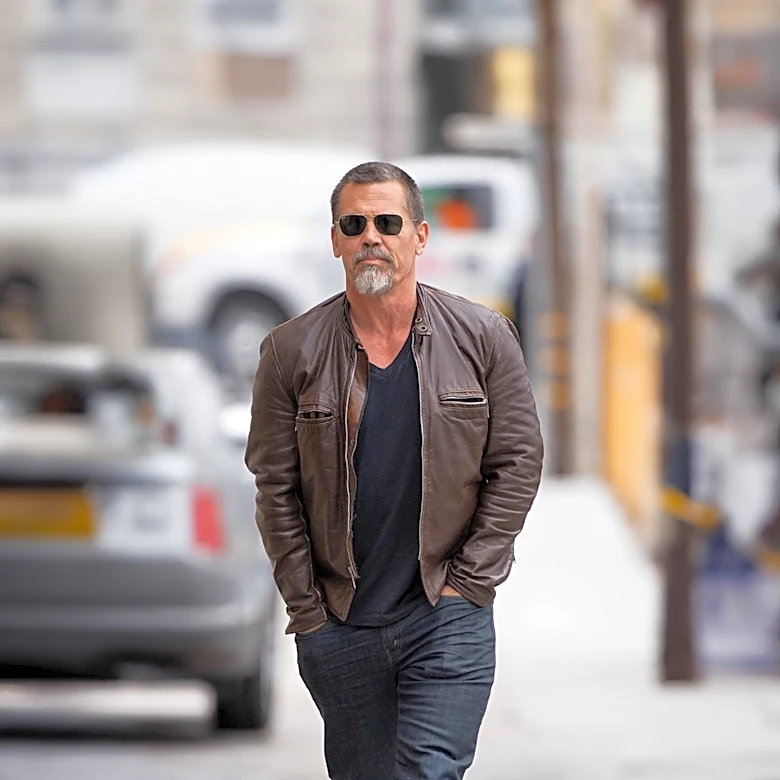
mediating an argument about the masks. Jonah Hill, who was originally slated for a larger role but had scheduling conflicts with 'The Wolf of Wall Street,' also makes a cameo as Randy (Bag Head #2), delivering a monologue specifically written for him by Tarantino. Don Johnson, who plays Big Daddy, and legendary character actor Michael Parks also feature prominently in this sequence. This scene, despite becoming a fan favorite, was almost cut from the film due to Tarantino's initial concerns about its reception and its length as a non-sequitur.
Why It's Important?
This particular scene in 'Django Unchained' is significant for several reasons. It serves as a moment of comedic relief in an otherwise intense and violent film, effectively lampooning the white supremacist group it depicts by portraying them as incompetent and ridiculous. This subversion of a historically menacing image into a source of humor highlights Tarantino's unique directorial style and his approach to deconstructing historical narratives through film. The inclusion of prominent actors like Jonah Hill and Tarantino himself in these minor, yet memorable, roles adds an Easter egg quality for viewers, enhancing the film's rewatchability and contributing to its cultural impact. The scene's near-omission also underscores the creative risks filmmakers take and how audience reception can ultimately shape the final product, demonstrating the dynamic interplay between artistic vision and commercial viability in Hollywood.
What's Next?
While 'Django Unchained' has been released, the discussion around its memorable scenes, like the unmasking sequence, continues to contribute to film studies and fan analyses. The insights into Tarantino's creative process, particularly his initial hesitation and the eventual success of the scene, offer valuable lessons for aspiring filmmakers and screenwriters regarding comedic timing, character development, and the importance of audience testing. The film's continued presence in popular culture ensures that these behind-the-scenes stories and the impact of its unique narrative choices will be revisited and analyzed by new generations of viewers and critics. Future Tarantino projects will likely continue to be scrutinized for similar stylistic choices and hidden details, building on the legacy established by films like 'Django Unchained.'
Beyond the Headlines
The unmasking scene in 'Django Unchained' delves deeper than mere comedy; it offers a profound commentary on the nature of racism and the power of satire. By presenting the KKK as a group of bumbling, disorganized individuals, Tarantino strips away their intimidating aura, reducing them to an object of ridicule. This artistic choice can be seen as a form of cultural catharsis, allowing audiences to laugh at and thus diminish the power of a historically oppressive symbol. The scene also highlights the collaborative nature of filmmaking, where a director's initial doubts can be overcome by the collective response of an audience, demonstrating that sometimes the most impactful moments are those that challenge conventional narrative structures. Ethically, it raises questions about the use of humor in addressing sensitive historical topics, showcasing how comedy can be a potent tool for social critique when handled effectively.