





What's Happening?
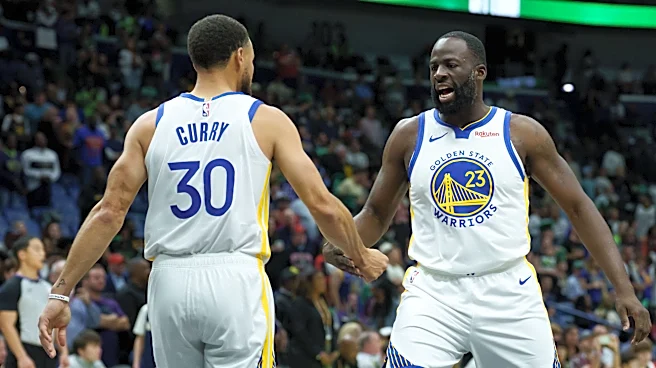
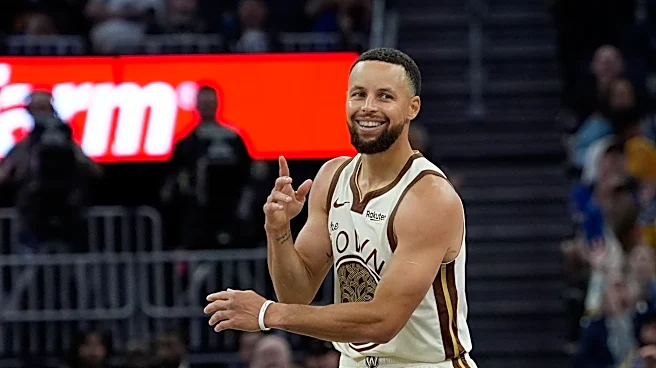
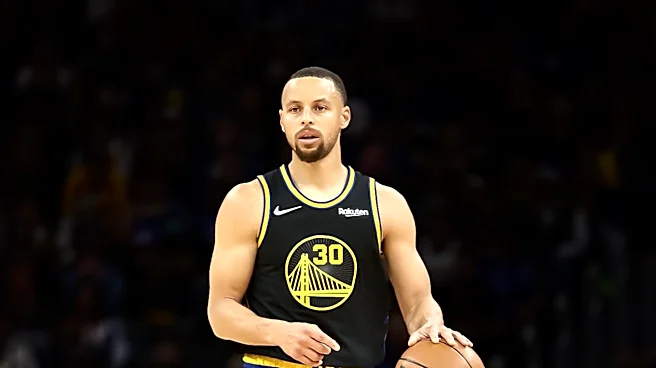
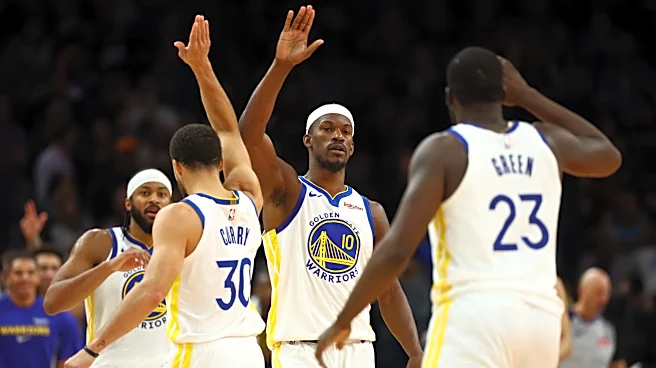
Stephen Curry, a prominent NBA player for the Golden State Warriors, has signed a two-year, $116 million contract extension, securing his tenure with the team through the 2028-29 season, with a player option for the final year. This new agreement positions
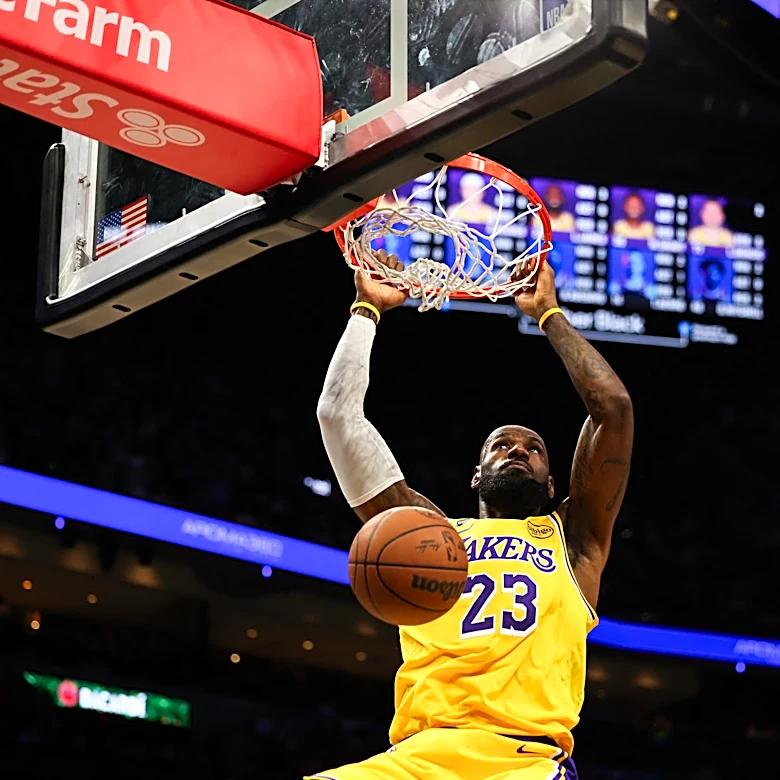
Curry to become the first NBA player in history to surpass $600 million in career earnings, reaching an estimated $652 million. Notably, Curry reportedly took a $20 million pay cut from the full $136.7 million extension he was eligible for. This decision was made to provide the Warriors with greater cap flexibility for future team building, particularly for the summer of 2027. Other high-profile players, including LeBron James and Kevin Durant, have also taken pay cuts in recent years, though none have yet reached the $600 million career earnings mark that Curry is set to achieve.
Why It's Important?
This contract extension and Curry's financial milestone highlight a significant trend in professional sports, where top-tier athletes command unprecedented earnings. Curry's decision to accept a lower salary for the team's benefit underscores a growing emphasis on team-oriented financial strategies, allowing franchises to retain key talent and maintain competitive rosters. This approach can influence how other star players negotiate contracts, potentially shifting focus from maximizing individual earnings to ensuring team success and longevity. The financial flexibility created by Curry's pay cut could enable the Warriors to make strategic acquisitions or retain other core players like Draymond Green, impacting the team's championship aspirations and the competitive landscape of the NBA. This also sets a new benchmark for player compensation, reflecting the immense value and marketability of elite athletes in the modern sports economy.
What's Next?
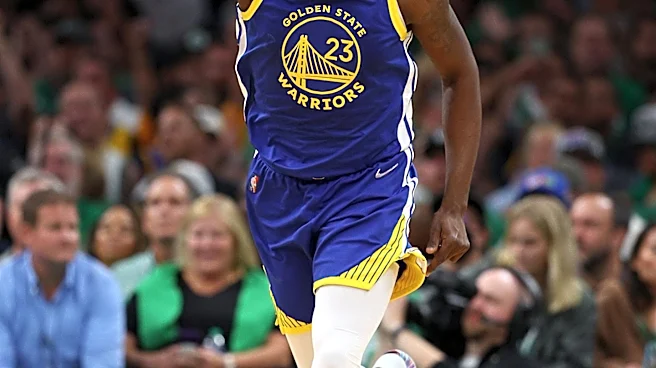
The Warriors' newly acquired cap flexibility, resulting from Stephen Curry's contract decision, is expected to influence their strategic moves in the coming seasons, particularly concerning the summer of 2027. The team will likely focus on how to best utilize this financial leeway, potentially for retaining key players like Draymond Green or pursuing new talent to bolster their roster. The long-term implications for the Warriors' championship contention will depend on these future decisions. Curry's commitment to the team, as evidenced by his contract and public statements about playing out his career with the Warriors, suggests a continued pursuit of championships with the current core. The financial precedent set by Curry's earnings and his willingness to take a pay cut may also influence future contract negotiations across the NBA, as other players and teams observe the impact of such decisions on team building and success.
Beyond the Headlines
Stephen Curry's contract extension and his unprecedented career earnings, coupled with his decision to take a pay cut, reveal deeper insights into the evolving dynamics of player-team relationships in professional sports. This move transcends mere financial transactions, highlighting a potential shift towards a more collaborative model where star athletes prioritize team success and long-term competitiveness over individual maximum earnings. This could foster a culture of shared sacrifice within teams, potentially leading to more stable and successful franchises. Ethically, it raises questions about the balance between individual wealth accumulation and collective team goals, and how such decisions can influence team chemistry and fan perception. Culturally, Curry's actions reinforce his legacy not just as a generational talent but also as a leader committed to his team's enduring success, potentially inspiring other athletes to consider similar approaches in their careers.