






What's Happening?
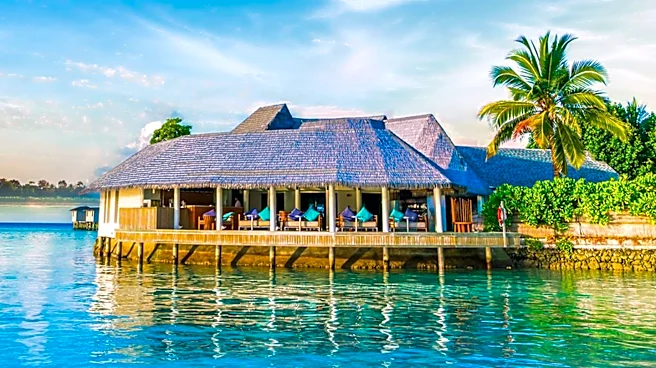
In 2026, luxury hotels are increasingly focusing on sustainability to meet the evolving demands of affluent travelers. While traditional elements like lavish suites and impeccable service remain important, there's a growing emphasis on balancing opulence
with environmental responsibility. Hotels globally are adopting various eco-friendly measures, including switching to renewable energy sources, implementing water conservation strategies, and sourcing local produce for their restaurants and bars. This shift redefines luxury hospitality, making environmental responsibility a core focus. Social responsibility is also gaining prominence, with hotels supporting local communities through regional suppliers, local employment, and cultural heritage preservation. Guests are encouraged to engage with local culture and businesses, enhancing their experience while minimizing environmental impact. This comprehensive approach to sustainability is becoming an integral part of the luxury experience, rather than a separate consideration.
Why It's Important?
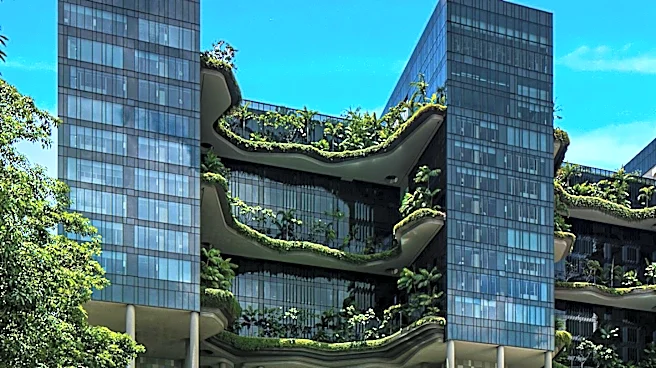
This trend is significant for the U.S. hospitality industry as it reflects a growing consumer consciousness that transcends borders. U.S. luxury travelers are increasingly seeking authentic, responsible, and eco-conscious experiences, influencing booking decisions and brand loyalty. Hotels that proactively integrate sustainable practices can gain a competitive advantage, attracting a demographic willing to pay a premium for ethical and environmentally friendly options. Conversely, establishments that lag in adopting these measures may risk losing market share and reputation. This shift also encourages innovation in hotel design and operations, promoting the use of natural materials, smart energy management systems, and advanced water recycling technologies. The emphasis on local engagement can also stimulate local economies and foster stronger community ties, benefiting both the hotels and the regions they operate in.
What's Next?
The U.S. luxury hotel sector is expected to further integrate sustainability into its core business models, moving beyond superficial greenwashing to implement verifiable and impactful eco-friendly initiatives. This may include seeking more rigorous environmental certifications, investing in advanced sustainable technologies, and transparently reporting on their environmental and social impact. We can anticipate a rise in 'experiential sustainability,' where guests are offered opportunities to participate in conservation efforts or learn about local ecological initiatives. Partnerships with environmental organizations and local communities will likely become more common. Furthermore, the demand for sustainable luxury could drive policy changes and incentives for eco-friendly development within the U.S. tourism sector, encouraging broader adoption of these practices across the industry.
Beyond the Headlines
The embrace of sustainable luxury by hotels signifies a broader societal recognition of the interconnectedness between human well-being, economic prosperity, and environmental health. This trend challenges the traditional notion of luxury as pure indulgence, reframing it as a responsible and conscious choice. Ethically, it highlights the growing expectation for corporations to contribute positively to society and the environment. Legally, it could lead to increased regulatory scrutiny and the development of new standards for environmental performance in the hospitality sector. Culturally, it promotes a more mindful approach to travel, encouraging guests to consider their impact and seek experiences that enrich both themselves and the world around them. This evolution suggests a long-term shift in how luxury is perceived and consumed, moving towards a model that values purpose and impact alongside comfort and exclusivity.