




What's Happening?
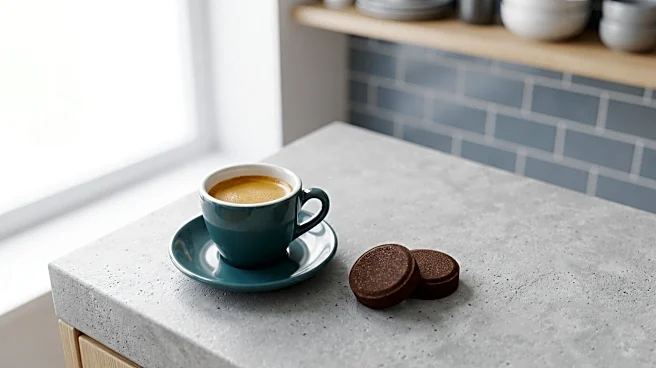
Lavazza has launched its Tablì Collection, a new plastic-free pod coffee system, in the U.S. market. This system features coffee pods made entirely of coffee, designed to reduce environmental waste associated with traditional single-serve coffee capsules.
The Tablì Collection includes a dedicated single-serve espresso machine and five types of coffee 'tabs.' Users insert these dense coffee pucks into the machine, which then brews an espresso-like beverage. This innovation aims to address the significant environmental concerns surrounding plastic coffee pods, which have even led to government bans in some areas. While the system is largely plastic-free, the coffee tabs are packaged in paper trays sealed with a plastic layer to maintain freshness, which may or may not be recyclable. Despite this, Lavazza positions the Tablì system as a substantial improvement over classic plastic pods in terms of environmental impact. The machine itself is compact, intuitive to use, and priced at an approachable $130, with individual pods costing about $1 each.
Why It's Important?
The introduction of Lavazza’s plastic-free coffee pod system is significant for the U.S. market as it offers consumers a more environmentally friendly alternative to conventional single-serve coffee machines. With growing consumer awareness and concern about plastic waste, this product could influence purchasing decisions and potentially drive other coffee manufacturers to innovate in sustainable packaging. The environmental footprint of traditional coffee pods has been a major point of contention, and Lavazza's approach, using pods made entirely of coffee, directly tackles this issue. This move could set a new standard for sustainability in the single-serve coffee segment, impacting both the coffee industry and waste management efforts. For consumers, it provides an option to enjoy the convenience of pod coffee with a reduced sense of environmental guilt, although the limited flavor selection might be a drawback for some. The success of this system could also encourage broader adoption of bio-based or compostable packaging solutions across various consumer goods.
What's Next?
The success of Lavazza's Tablì Collection will likely depend on consumer adoption and the brand's ability to expand its flavor offerings. If the system gains traction, it could prompt competitors like Nespresso and Keurig to accelerate their own development and rollout of truly plastic-free or more sustainable pod options. Keurig, for instance, announced a 100% plant-based coffee pod, the K-Round, in 2024, which is yet to hit American shelves. Lavazza's early entry into this segment in the U.S. gives it a competitive advantage. Future developments might include improvements in the recyclability of the secondary packaging (the plastic-sealed paper trays) to achieve a completely waste-free system. The market will also observe how consumers balance the desire for sustainability with factors like taste variety and cost, which will ultimately determine the long-term viability and impact of such innovations.
Beyond the Headlines
Beyond the immediate environmental benefits, Lavazza's Tablì system highlights a broader shift in consumer expectations and corporate responsibility. The increasing demand for sustainable products is pushing companies to rethink their entire supply chains and product lifecycles. This initiative could spark further innovation in bio-materials and circular economy principles within the food and beverage industry. The challenge of balancing convenience with environmental stewardship is a complex one, and solutions like the Tablì system represent a step towards resolving this tension. It also underscores the potential for regulatory pressures, such as government bans on plastic, to drive market innovation. The long-term cultural impact could be a normalization of waste-reducing practices in everyday consumption, influencing not just coffee habits but also broader lifestyle choices towards more sustainable alternatives.