


What's Happening?
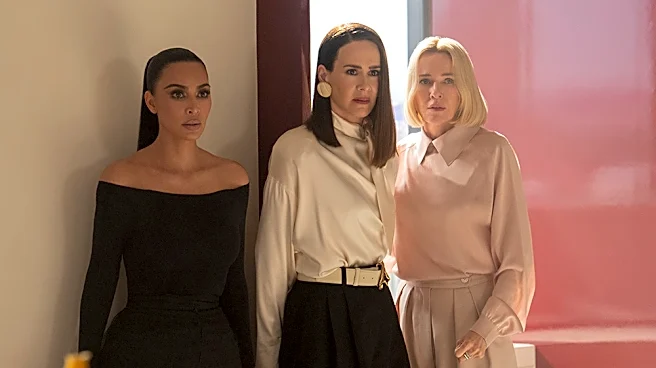
Kerry Kennedy, daughter of Ethel Kennedy, has publicly disputed a scene in Ryan Murphy's series 'Love Story,' claiming it inaccurately depicts her mother. The scene in question, from Episode 5, shows Carolyn Bessette being denied breakfast by Ethel Kennedy at the family's
Hyannis Port compound for failing to fill out a sign-up sheet. Kerry Kennedy stated in an interview with People that such a scenario is 'completely inconceivable,' emphasizing that there was 'no sign-up' and her mother would never have denied anyone food. She described Ethel Kennedy as a welcoming host who always made room and provided food for guests, even when unexpected numbers arrived. While Kennedy has not watched the entire series, she highlighted this specific breakfast scene as a significant misrepresentation of her mother's personality and the family's hospitality. This criticism follows previous challenges to the series' accuracy from a JFK Jr. biographer and comments from RHONY star Carole Radziwill regarding the show's emotional impact.
Why It's Important?
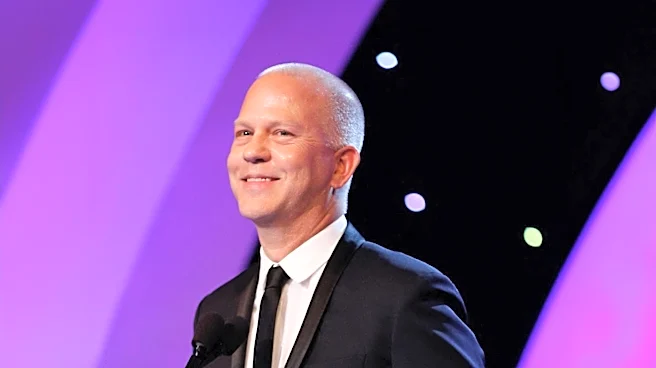
This challenge to 'Love Story' is important because it highlights the ongoing tension between dramatic license in biographical productions and the historical accuracy expected by those intimately connected to the subjects. For the Kennedy family, a prominent and historically significant American political dynasty, portrayals in popular media carry substantial weight in shaping public perception and historical narrative. Inaccuracies, even seemingly minor ones like a breakfast scene, can be seen as undermining the true character and legacy of individuals like Ethel Kennedy. This situation underscores the responsibility of creators like Ryan Murphy to balance entertainment value with factual integrity, especially when dealing with real historical figures. The public's understanding of historical events and personalities is often influenced by such dramatizations, making the accuracy of these portrayals a matter of cultural and historical significance. The dispute also reflects a broader conversation about how historical figures are represented in modern media and the potential for such representations to either honor or distort their legacies.
What's Next?
It is likely that the creators of 'Love Story' and Ryan Murphy will face continued scrutiny regarding the historical accuracy of their series, particularly from individuals connected to the Kennedy family. While Kerry Kennedy has not indicated any legal action, her public statements could prompt further discussions and critiques from historians, biographers, and other family members. The series' reception may be influenced by these ongoing debates about its factual basis, potentially affecting viewership or critical appraisal. Future biographical projects by Ryan Murphy or other creators might face increased pressure to consult with family members or historical experts to avoid similar controversies. This incident could also lead to a broader conversation within the entertainment industry about the ethical considerations and best practices for dramatizing historical events and figures, especially when living relatives are involved. The show's producers may choose to issue a statement or address the criticisms in future seasons or related content.
Beyond the Headlines
The controversy surrounding 'Love Story' extends beyond mere factual discrepancies, touching upon deeper themes of memory, legacy, and the power of media to shape public perception. For families like the Kennedys, who have been under intense public scrutiny for decades, the control over their narrative is a significant concern. When dramatizations deviate from personal recollections, it can feel like a re-writing of their lived experience and the public memory of their loved ones. This situation also highlights the inherent challenges in adapting real-life stories for entertainment, where the demands of narrative structure and dramatic tension can sometimes conflict with strict historical accuracy. The ethical implications for creators involve deciding where to draw the line between artistic interpretation and historical fidelity, especially when the subjects are not fictional. Ultimately, this debate contributes to the ongoing cultural discourse about how history is consumed and understood in an age dominated by visual media, and the responsibility of storytellers to both entertain and inform truthfully.