





What's Happening?
Lindsey Weber and Bobby Finger, hosts of the podcast 'Who? Weekly,' argue that the path to becoming a true superstar in today's media landscape is increasingly challenging. In their new book, 'I Want to Be Famous: When Everybody and Nobody Is a Celebrity,'
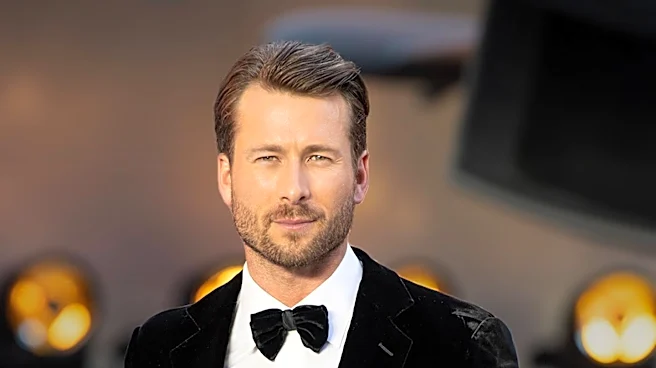
they propose a distinction between 'Whos' and 'Thems.' 'Whos' are individuals presented as famous but lack widespread recognition, encompassing lesser-known actors, reality TV stars, podcasters, and influencers. 'Thems,' on the other hand, are genuine household names like Beyoncé or Denzel Washington. They use actor Glen Powell's career trajectory as an example of how relatively easy it is to become a 'Who' but significantly harder to ascend to 'Them' status, suggesting a 'not-quite ascent' despite his quick rise.
Why It's Important?
This analysis is important for understanding the evolving nature of celebrity and fame in the U.S. entertainment industry. The proliferation of media platforms and content creators has fragmented public attention, making it difficult for any single individual to achieve the universal recognition once common for A-list stars. This shift impacts how talent is developed, marketed, and perceived, potentially leading to a more crowded and competitive landscape where sustained superstardom is rare. For aspiring artists and industry professionals, this framework offers a critical perspective on career development and audience engagement, highlighting the challenges of breaking through the noise and establishing a lasting cultural presence in an era of fleeting attention.
What's Next?
The insights from Weber and Finger's book could influence how the entertainment industry approaches talent development and marketing strategies. There might be a greater emphasis on niche audiences and sustained engagement rather than aiming for broad, universal appeal. For actors like Glen Powell, understanding this dynamic could inform career choices, potentially leading to more strategic project selections or diversified ventures to solidify their public image. The ongoing discussion about the 'broken ladder to fame' will likely continue to shape conversations around celebrity culture, media consumption, and the future of entertainment, prompting further examination of what constitutes true stardom in a fragmented digital age.
Beyond the Headlines
This discussion delves into the deeper cultural implications of fame and public perception. The distinction between 'Whos' and 'Thems' reflects a broader societal shift where the concept of celebrity has become democratized yet simultaneously diluted. It raises questions about the value placed on different forms of recognition and the psychological impact on individuals navigating varying levels of public attention. The difficulty of achieving 'Them' status might also reflect a growing skepticism towards traditional celebrity, with audiences increasingly drawn to authenticity and relatability over manufactured stardom. This evolving landscape could lead to new models of influence and recognition, where impact is measured not just by universal fame but by engagement within specific communities or cultural niches.