


What's Happening?
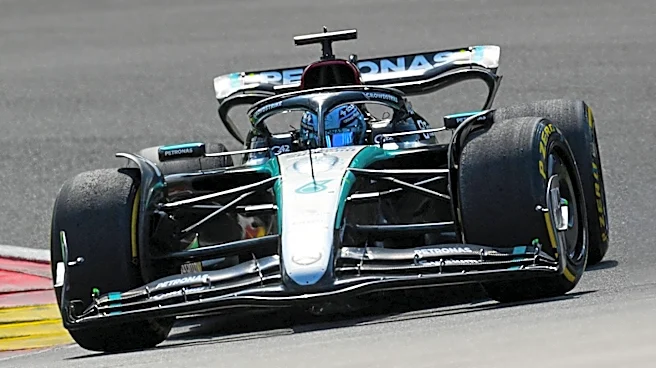
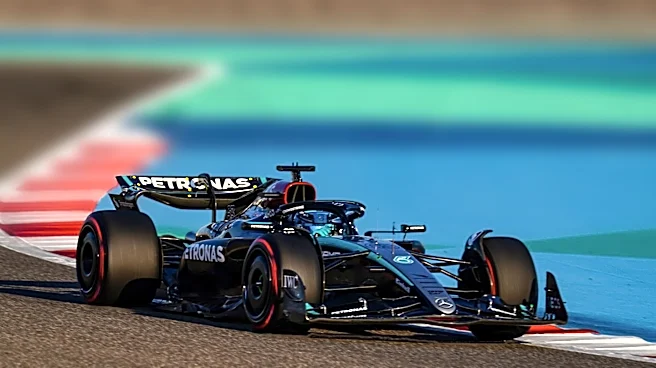
The Hungarian Grand Prix has brought to light several key issues facing Formula 1 teams, including engine deployment challenges and the impact of recent upgrades. George Russell of Mercedes has reported that calibration issues with his car's power unit
have been resolved, allowing him to focus on driving without the distraction of technical problems. Meanwhile, Charles Leclerc has acknowledged that his aggressive driving against Oscar Piastri at the Belgian Grand Prix may have been excessive. The meeting between drivers and FIA stewards at the Hungarian GP has also addressed concerns about the consistency of rule enforcement.
Why It's Important?
The resolution of technical issues for drivers like Russell is crucial for maintaining competitive balance in Formula 1. Ensuring that cars operate at their full potential allows drivers to focus on performance rather than technical distractions. The discussions between drivers and the FIA stewards highlight the importance of consistent rule enforcement to maintain fairness and safety in the sport. These developments underscore the ongoing efforts to address both technical and regulatory challenges in Formula 1, which are essential for the sport's integrity and appeal.
What's Next?
As the Formula 1 season continues, teams will be closely monitoring the performance of their cars following recent upgrades and technical adjustments. The outcome of the FIA's discussions with drivers may lead to changes in how racing incidents are evaluated and penalized, impacting future race strategies. The Hungarian Grand Prix serves as a platform to observe the immediate effects of these developments on driver behavior and race management. The ongoing dialogue between teams, drivers, and regulators will be key in shaping the future of Formula 1.