



What's Happening?
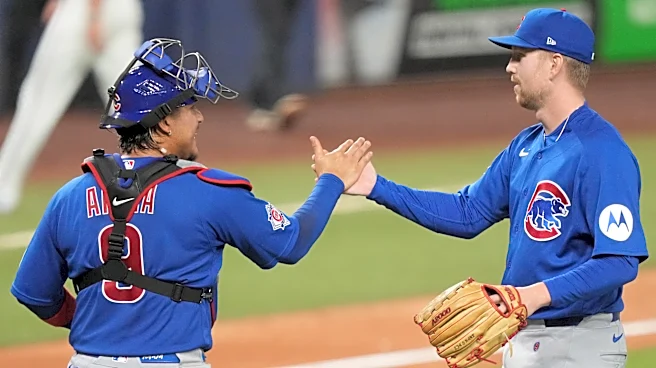
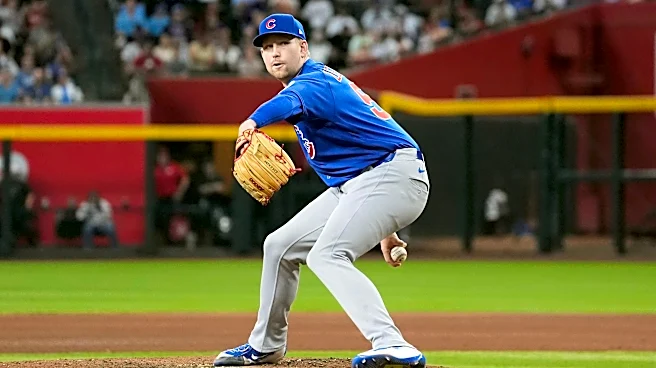
Chicago Cubs left-handed reliever Ryan Rolison has recently adopted a more expressive and aggressive pitching style, a change he attributes to candid feedback from his wife, Lauren. She reportedly told him his pitching was 'boring to watch,' which served
as a 'wake-up call' for Rolison. This shift in approach involves 'emptying the tank' and showing more fire on the mound, which he believes enhances his performance. Rolison noted that he pitches better with an 'edge' and was dissatisfied with his previous performance, particularly against right-handed hitters since the All-Star break. He and his pitching coaches have analyzed his numbers and adjusted his pitch sequences, incorporating more sinkers against righties to make him less predictable. This strategic and emotional adjustment has coincided with improved results, including a save against the Brewers and a win against the Marlins.
Why It's Important?
This development highlights the multifaceted nature of professional sports performance, where personal relationships and psychological factors can significantly influence an athlete's on-field success. For the Chicago Cubs, Rolison's improved performance in high-leverage situations is crucial as they aim for a playoff push. His 2.89 ERA in 56 innings this year, a stark contrast to his 7.02 ERA in 42 ⅔ innings last year with the Rockies, demonstrates the tangible impact of these changes. A more effective and confident Rolison strengthens the Cubs' bullpen, which is vital for late-game situations in tight contests. This also underscores the importance of self-awareness and adaptability in professional sports, as Rolison's willingness to act on critical feedback has transformed his effectiveness and potentially his career trajectory. The team's ability to leverage individual player improvements contributes directly to their overall competitiveness and playoff aspirations.
What's Next?
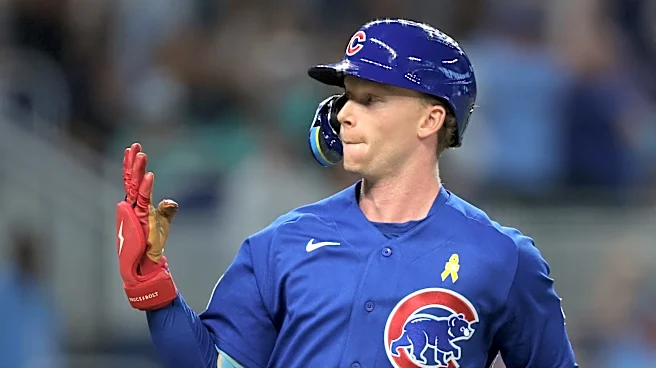
Ryan Rolison is expected to continue his more aggressive and emotional pitching approach, particularly as the Cubs enter the 'playoff-push time.' He anticipates throwing more sinkers to right-handed hitters, a strategic adjustment aimed at further improving his effectiveness against them. Given his recent success, Rolison is likely to be utilized in more high-leverage situations, indicating increased trust from the coaching staff. The Cubs will monitor his performance closely to ensure the sustainability of this new approach. Meanwhile, shortstop Dansby Swanson is nearing a return from a strained left oblique, with manager Craig Counsell expecting to finalize a schedule for his return to games soon. Left fielder Ian Happ has also returned to action after a bruised knee. These developments suggest the Cubs are working towards a full-strength roster as they aim to secure a strong position in the NL wild-card race, with their eyes on the World Series.
Beyond the Headlines
Beyond the immediate impact on the Cubs' playoff chances, Rolison's story offers a compelling narrative about the psychological aspects of athletic performance and the role of personal support systems. His wife's blunt assessment, while seemingly harsh, provided the catalyst for a significant professional transformation. This situation illustrates how external perspectives, even from non-professionals, can unlock an athlete's potential by challenging complacency or ingrained habits. It also touches upon the broader theme of emotional intelligence in sports, where understanding and channeling one's emotions can be a powerful tool for success. The shift from a 'boring' pitcher to one with 'fire' suggests a deeper engagement with the game, potentially leading to greater resilience and consistency under pressure. This personal evolution could serve as an inspiration for other athletes struggling with performance plateaus, emphasizing that sometimes the most impactful feedback comes from unexpected sources.