



What's Happening?
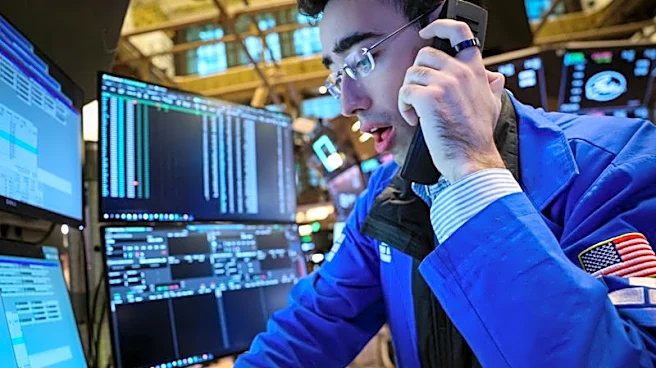
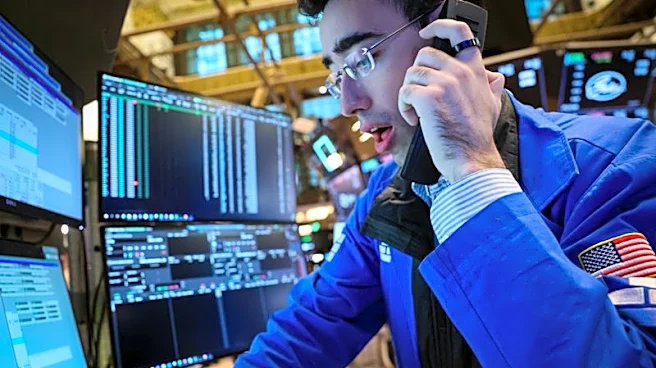
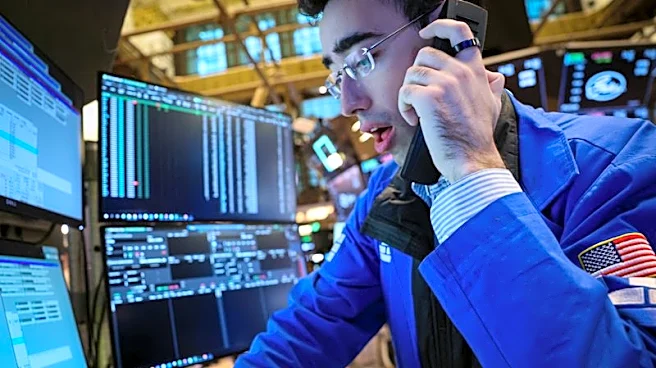
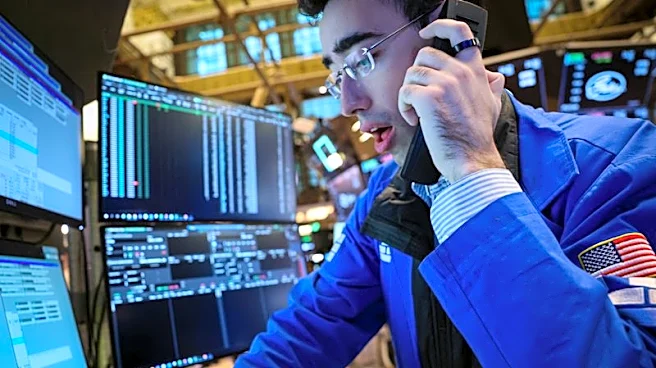
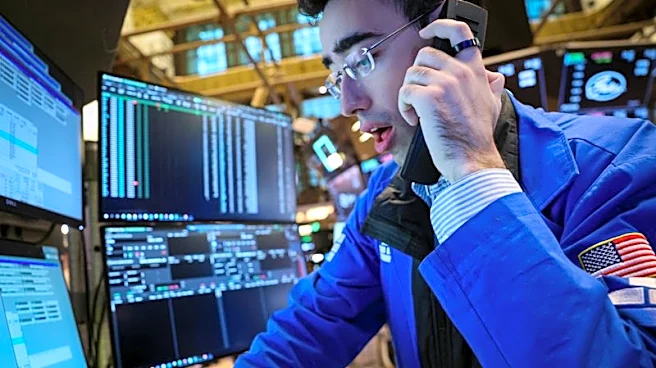
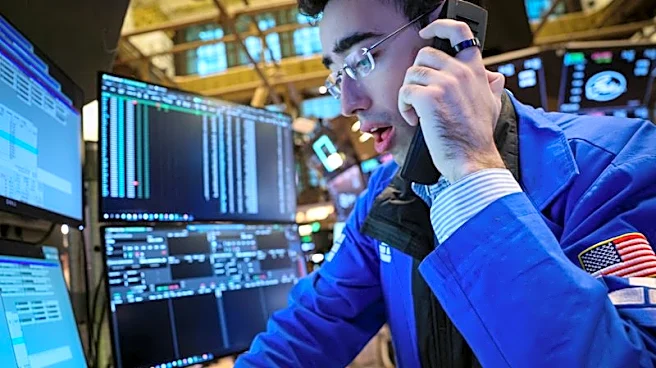
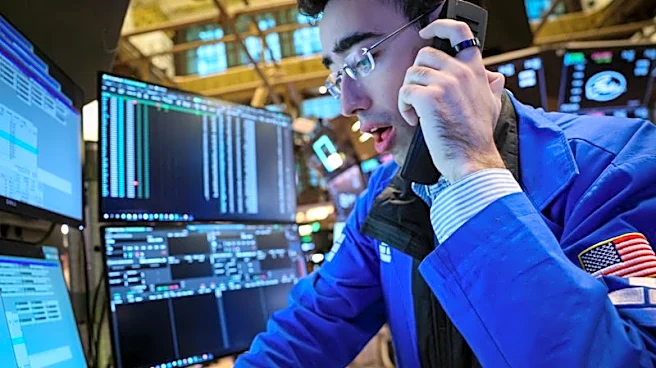
Tech stocks are experiencing a notable sell-off, with the Nasdaq Composite falling significantly, despite the recent IPO of Anthropic. Several factors are contributing to this market downturn, creating what one analyst described as a 'perfect storm.'
These catalysts include fears surrounding a potential 'anti-AI/anti-datacenter' stance from Washington D.C. following recent political outcomes, concerns over regulatory actions from China impacting semiconductor and memory stocks, and broader market clearing events leading to increased selling pressure. Additionally, the successful Anthropic IPO, while positive for the company, may have marginally reduced liquidity from other tech names. Persistent inflation and hawkish statements from the Federal Reserve regarding potential interest rate hikes and tightening financial conditions are also contributing to investor unease. Even Alphabet, despite outperforming some megacap peers, is navigating this challenging market environment.
Why It's Important?
This widespread tech sell-off has significant implications for investors, the broader economy, and the future of the technology sector. A sustained downturn can erode investor confidence, impact retirement savings, and make it more challenging for tech companies to raise capital for innovation and expansion. The 'anti-AI/anti-datacenter' sentiment in Washington, if it materializes into policy, could create regulatory headwinds for a rapidly growing segment of the tech industry, potentially slowing down investment and development in artificial intelligence and related infrastructure. Furthermore, China-driven regulatory concerns highlight the interconnectedness of global supply chains and the vulnerability of U.S. tech companies to international policy shifts. The combination of these factors suggests a period of increased volatility and uncertainty for the tech market, potentially leading to a re-evaluation of valuations and investment strategies.
What's Next?
Market analysts are divided on the immediate future, with some suggesting that a 'clean' earnings report from Nvidia and a successful Anthropic IPO could pave the way for AI-driven stocks to rebound. However, others emphasize the ongoing pressures from inflation, Fed policy, and geopolitical factors. Investors will be closely watching upcoming economic data, Federal Reserve announcements, and any policy signals from Washington regarding AI and data centers. Tech companies may need to adjust their growth projections and operational strategies in response to potential regulatory changes and a more challenging funding environment. The market will also be looking for signs of stabilization in global supply chains and a clearer picture of China's regulatory stance. A diversified approach to AI investments is being recommended by some experts, suggesting that while the current sell-off is painful, the long-term thesis for the '4th Industrial Revolution' driven by AI remains intact.
Beyond the Headlines
The current tech sell-off may signal a broader recalibration of market expectations for the AI sector, moving from speculative enthusiasm to a more grounded assessment of profitability and regulatory realities. The 'anti-AI/anti-datacenter' sentiment, if it gains traction, could reflect growing public and political concerns about the environmental impact (e.g., energy consumption, water usage) and societal implications (e.g., job displacement, ethical concerns) of rapid AI expansion. This could lead to increased calls for stricter regulations, not just on data privacy and algorithmic bias, but also on infrastructure development. The market's reaction also highlights the fragility of investor sentiment in the face of macroeconomic uncertainties like inflation and interest rate hikes, demonstrating that even high-growth sectors are not immune to broader economic pressures. This period of adjustment could ultimately lead to a more sustainable and responsible growth trajectory for the tech industry, albeit with short-term pain for investors and companies.