



What's Happening?
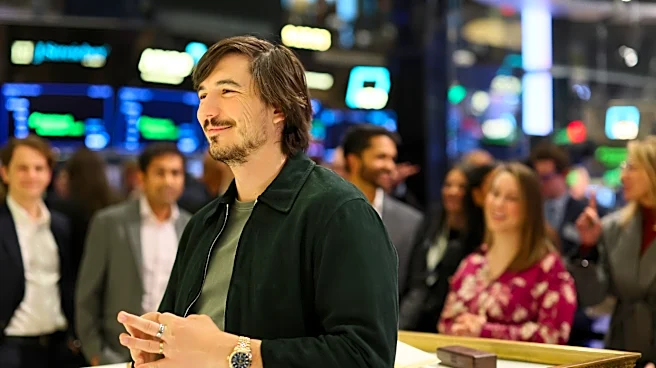
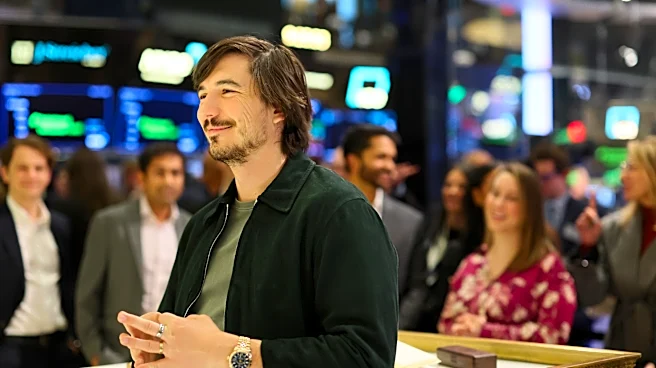
Vlad Tenev, co-founder and CEO of Robinhood, recounted how the company navigated a severe capital requirement crisis during the January 2021 GameStop trading frenzy. In an interview on the Founders podcast, Tenev explained that Robinhood faced an overnight
demand for up to $3 billion in capital, a figure that fluctuated but initially presented an existential threat. The crisis was ultimately averted due to a pre-negotiated standby term sheet with investor Micky Malka of Ribbit Capital, established nine months prior. This foresight allowed Tenev to secure approximately $500 million with a single phone call, as Malka committed on the spot. Tenev emphasized that this immediate commitment was crucial, as 'time kills all deals' in financial crises. The rapid growth of Robinhood's platform, particularly in crypto trading, which surged from near-zero revenue to hundreds of millions by Q2 2021, combined with unprecedented retail trading volumes in meme stocks, triggered these massive capital demands under Dodd-Frank regulations. Tenev also detailed the chaotic morning of the trading halt, where he learned of the GameStop trading restrictions amidst a barrage of angry customer messages.
Why It's Important?
This event highlights the critical role of proactive financial planning and strong investor relationships in mitigating systemic risks within the fintech sector. Robinhood's near-collapse underscores the volatility inherent in rapidly scaling financial platforms, especially when confronted with unforeseen market dynamics like the meme stock phenomenon. The incident also exposed the limitations of existing regulatory frameworks, such as Dodd-Frank capital requirements, which were not designed to account for the unique characteristics of commission-free retail trading and its potential for rapid, widespread impact. The ability of a single investor's immediate commitment to unlock further funding demonstrates the power of trust and established relationships in high-stakes financial situations. For the broader U.S. financial market, it serves as a case study in how technological advancements and democratized access to trading can create new challenges for liquidity management and regulatory oversight, impacting both individual investors and the stability of financial institutions.
What's Next?
The experience of the GameStop squeeze and the subsequent capital crisis has likely prompted Robinhood and other fintech platforms to re-evaluate their capital management strategies and stress-testing protocols. Regulators may continue to scrutinize how existing rules apply to new trading models and market behaviors, potentially leading to adjustments in capital requirements or risk management guidelines for brokerages catering to retail investors. The emphasis on pre-negotiated liquidity solutions could become a more common practice for high-growth financial firms. Furthermore, the incident may influence how investors assess the stability and risk profiles of fintech companies, prioritizing those with robust financial backing and clear contingency plans. Robinhood's continued expansion into areas like IPO access and wealth management suggests an ongoing effort to diversify its offerings and strengthen its financial foundation, potentially reducing its vulnerability to single-event market shocks.
Beyond the Headlines
The GameStop saga and Robinhood's capital crisis reveal deeper implications about the democratization of finance and the psychological impact of market volatility on leadership. Tenev's personal account of anxiety and the challenges of remote crisis management during the pandemic shed light on the human element of high-pressure corporate leadership. The story also touches upon the generational impact of economic instability, as Tenev's early life experiences with hyperinflation in Bulgaria instilled a profound understanding of financial risk and the importance of wealth preservation. This personal history likely shaped his approach to building Robinhood, aiming to provide accessible financial tools. The incident also sparked broader discussions about market manipulation, the power of retail investors, and the ethical responsibilities of trading platforms. It highlighted the tension between fostering financial inclusion and ensuring market stability, prompting ongoing debates about the future of retail investing and the regulatory landscape.