





What's Happening?
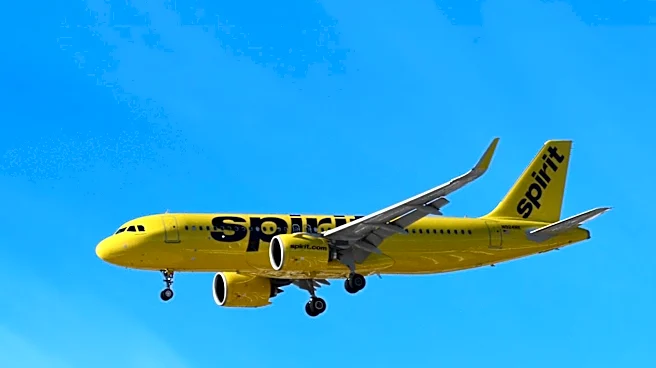
Spirit Airlines ceased operations in early 2026, leading to a reduction of 1% to 2% in overall U.S. air travel capacity. This collapse eliminated a significant low-cost competitor on numerous routes, particularly those catering to leisure travelers. The
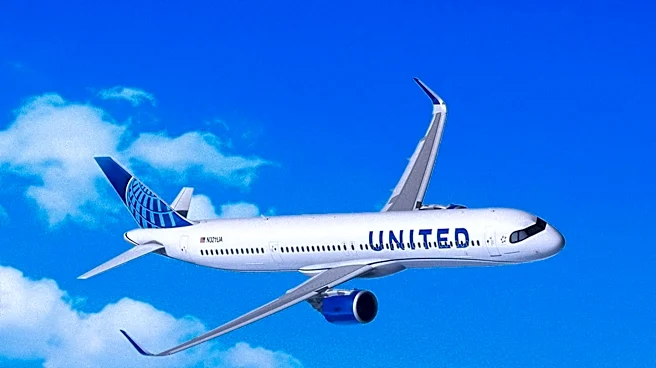
absence of Spirit Airlines, a budget carrier, has allowed remaining airlines to maintain higher base fares. While major carriers like American and United plan capacity growth of 10% and 9% respectively, this expansion is focused on profitable corridors rather than the leisure routes previously served by Spirit. This shift in market dynamics means that the lowest-price option is no longer available on many routes, directly impacting consumers seeking affordable air travel.
Why It's Important?
The disappearance of Spirit Airlines from the U.S. market has significant implications for the airline industry and consumers. As a budget carrier, Spirit played a crucial role in offering competitive pricing, which often pressured other airlines to keep their fares lower. With its exit, the competitive landscape has changed, potentially leading to a sustained increase in airfare prices across various routes. This reduction in competition disproportionately affects leisure travelers and those on tighter budgets who relied on Spirit for more affordable options. The strategic focus of larger airlines on more profitable routes further exacerbates the issue, leaving a void in the market for low-cost travel to certain destinations. This situation could lead to reduced accessibility of air travel for some segments of the population and increased costs for others.
What's Next?
In the aftermath of Spirit Airlines' collapse, consumers can expect continued elevated airfares, especially on routes where Spirit was a primary low-cost option. Travelers may need to adjust their booking strategies, such as shifting travel dates, considering alternative airports, or exploring connecting itineraries to find more affordable flights. The market will likely see other airlines potentially adjusting their pricing models in response to the reduced competition. While some capacity growth is planned by major carriers, it is not expected to fully compensate for the loss of Spirit's low-cost offerings on leisure routes. This could lead to a long-term shift in consumer behavior, with more travelers seeking out alternative travel methods or adjusting their travel frequency due to higher costs.
Beyond the Headlines
The collapse of a major budget airline like Spirit Airlines highlights the delicate balance within the U.S. aviation industry between competition and profitability. While the immediate impact is higher fares for consumers, the long-term implications could include a less diverse airline market. The absence of a strong low-cost competitor might reduce innovation in pricing and service models, as remaining airlines face less pressure to differentiate on cost. This event also underscores the vulnerability of airlines to economic pressures and market shifts, potentially leading to further consolidation in the industry. For regulators, it raises questions about ensuring sufficient competition to protect consumer interests in a market with fewer players.