






What's Happening?
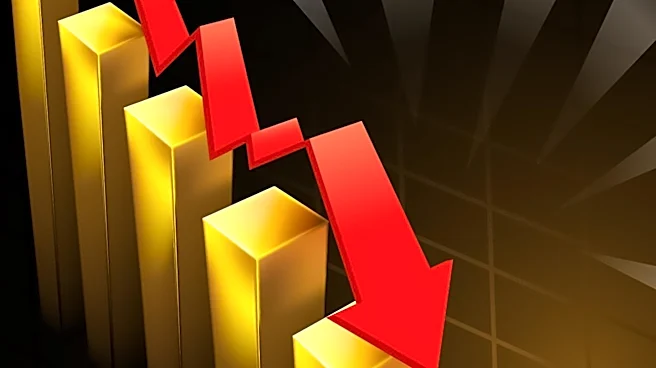
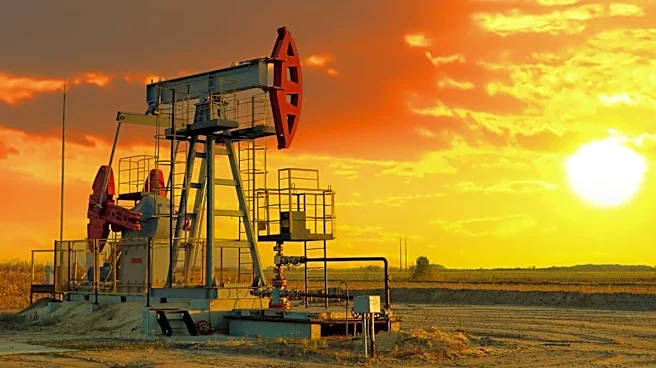
Gold prices have experienced their largest weekly decline since June, driven by rising U.S. Treasury yields and a stronger dollar, despite ongoing geopolitical tensions. The price of gold fell by approximately 2.5% over the week, as investors focused
on the potential inflationary impact of higher oil prices. In Egypt, gold prices rose slightly, reflecting local market dynamics. The global gold market is influenced by factors such as monetary policy expectations, energy prices, and geopolitical uncertainty, which continue to shape investor sentiment and market trends.
Why It's Important?
The decline in gold prices highlights the complex interplay between monetary policy, currency strength, and geopolitical factors. As a traditional safe-haven asset, gold's performance is closely tied to investor perceptions of risk and economic stability. Rising bond yields increase the opportunity cost of holding non-yielding assets like gold, while a stronger dollar makes gold more expensive for foreign buyers. The current market conditions underscore the challenges faced by investors in navigating volatile economic landscapes and the importance of diversification in investment strategies.
What's Next?
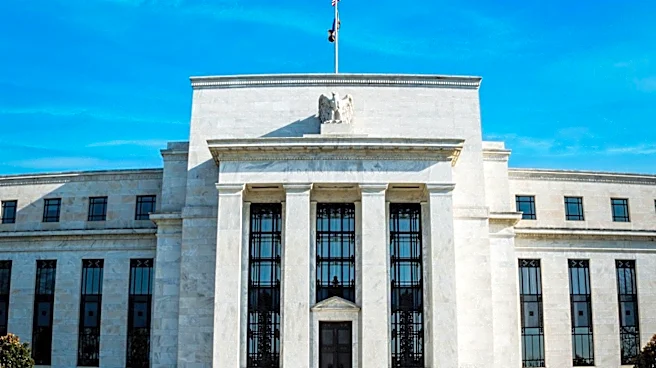
Gold's near-term performance will likely depend on developments in U.S. monetary policy, energy prices, and geopolitical events. Investors will closely monitor Federal Reserve actions and statements for indications of future interest rate changes. Additionally, fluctuations in oil prices and geopolitical tensions could influence gold demand and pricing. In the longer term, sustained central bank purchases and reserve diversification may support gold prices, while changes in global economic growth and interest rate policies could impact market dynamics.