




What's Happening?
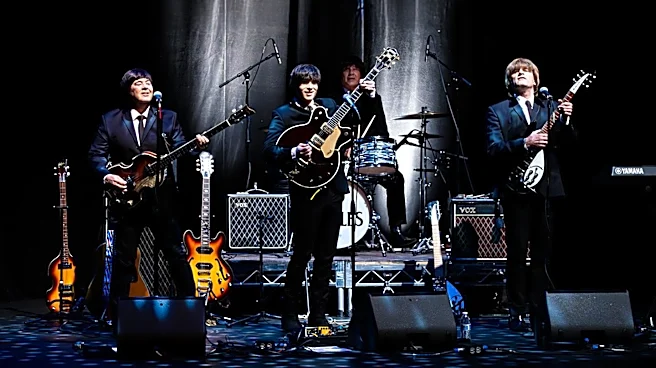
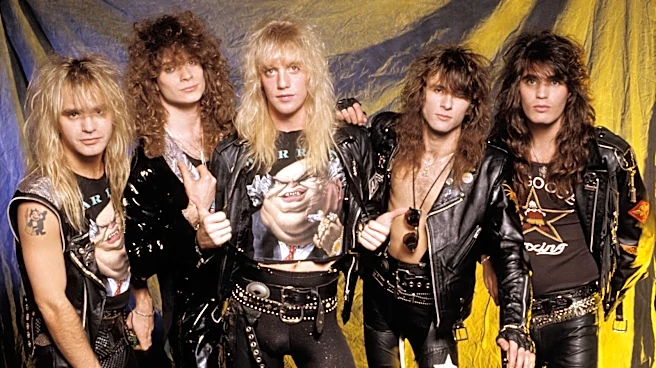
Tribute bands are experiencing a significant surge in popularity, evolving beyond simple cover acts to become high-quality, sought-after live performances globally. This trend is driven by the aging or absence of original legendary artists, creating a demand
for authentic recreations of classic music. Many tribute bands now aim for high-fidelity renditions, often incorporating deep catalog numbers and touring internationally. A notable development is the emergence of immersive experiences, with some tribute acts collaborating with 75-piece orchestras and utilizing arranger charts to present iconic music in new dimensions. Record producer and Harmony Records founder David Chatfield notes that these bands generate new interest in legacy artists while offering a continuation of musical styles that might otherwise fade. Examples include UnZepped, which reinterprets Led Zeppelin's songbook with acoustic instruments, and Julian Shah-Tayler, who performs David Bowie's work with symphony orchestras.
Why It's Important?
The rise of tribute bands signifies a significant shift in the live music industry, addressing a gap left by legendary artists who can no longer tour. This phenomenon provides a vital revenue stream for musicians, promoters, and venues, while also preserving and reintroducing classic music to new generations. For audiences, it offers an opportunity to experience beloved songs with high production value, often enhanced by orchestral arrangements, creating a unique and immersive listening experience. This trend also impacts copyright holders and legacy artists, as tribute bands can generate renewed interest in their catalogs. The integration of orchestral elements elevates the tribute act from a nostalgic performance to a sophisticated musical event, attracting a broader, often multi-generational audience that appreciates both rock and classical music traditions. This evolution could influence how live music is produced and consumed in the future, emphasizing experiential value.
Beyond the Headlines
The growing prominence of tribute bands reflects deeper cultural and economic shifts within the music industry. As original artists become less accessible, these bands fill a void, offering a form of 'living archive' for popular music history. The collaboration with orchestras, as seen with David Bowie and Electric Light Orchestra tributes, blurs the lines between popular and classical music, potentially broadening the appeal of orchestral performances to new demographics. This trend also highlights the enduring power of classic rock and pop music, demonstrating its timeless appeal across generations. Furthermore, the business model of tribute bands, which often includes creating new material in the style of the original artists and leveraging digital platforms for distribution, suggests a sustainable path for musicians to engage with established fan bases while also fostering their own creative output. This movement underscores a collective desire for shared cultural experiences and the communal celebration of musical heritage.