





What's Happening?
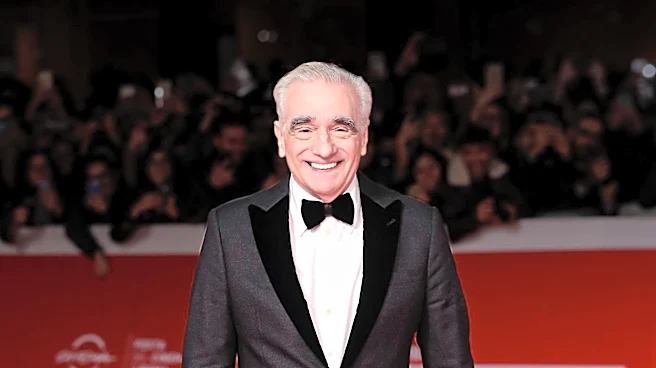
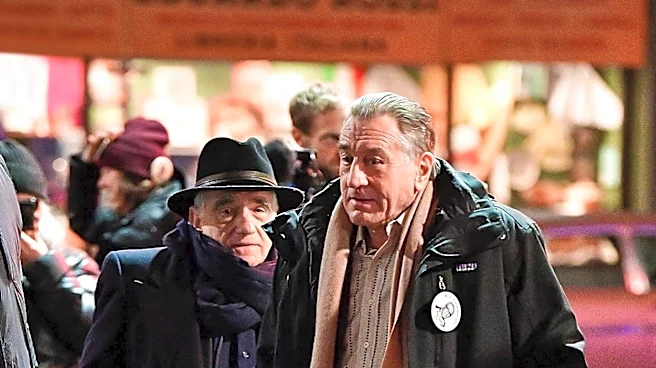
Filmmaker Martin Scorsese recently disclosed that a planned 'Cleopatra' epic, which would have starred Angelina Jolie in the title role, alongside Leonardo DiCaprio and Daniel Day-Lewis, was ultimately derailed by the 2014 Sony Pictures hack. During a Tribeca
Series conversation, Scorsese expressed his frustration, stating that the project was fully prepared with a script and cast. The hack, which the FBI attributed to North Korea in retaliation for the film 'The Interview' featuring Seth Rogen, led to the public exposure of internal Sony communications. These leaks revealed private exchanges, including producer Scott Rudin's critical remarks about Jolie and the film's potential cost, which he believed could jeopardize careers. Despite these internal issues, Scorsese indicated that he had come on board to direct, with Jolie actively pursuing his involvement.
Why It's Important?
The revelation by Martin Scorsese highlights the significant and far-reaching impact of cyberattacks on major U.S. industries, particularly the entertainment sector. The Sony Pictures hack not only exposed sensitive corporate data and private communications but also directly led to the cancellation of a high-profile film project with a substantial budget and A-list talent. This incident underscores the vulnerability of large corporations to state-sponsored cyber warfare and its potential to disrupt creative endeavors and financial investments. For Hollywood, it serves as a stark reminder of the need for robust cybersecurity measures to protect intellectual property and ongoing productions. The loss of a film of this magnitude, featuring such acclaimed actors and director, represents a missed cultural and economic opportunity, demonstrating how geopolitical tensions can indirectly affect the U.S. film industry.
What's Next?
While the 'Cleopatra' project with Scorsese, Jolie, DiCaprio, and Day-Lewis is now considered shelved, the film's concept has seen various attempts at revival since the 2014 hack. Directors like Denis Villeneuve have been attached to the project at different times, indicating a continued interest in bringing the story to the screen. However, the significant financial risk associated with such a large-scale production, coupled with the historical challenges it has faced, suggests that any future iteration would require substantial backing and a clear vision to overcome past hurdles. The incident also continues to serve as a cautionary tale for studios regarding digital security, potentially influencing future investment in cybersecurity infrastructure across the entertainment industry to prevent similar disruptions.
Beyond the Headlines
The cancellation of Scorsese's 'Cleopatra' due to a cyberattack raises deeper questions about the intersection of international politics, digital security, and artistic freedom. The incident illustrates how actions by foreign states, even those seemingly unrelated to the film industry, can have profound and unintended consequences on cultural production in the U.S. It also highlights the ethical dilemmas faced by corporations when private communications are made public, impacting professional relationships and reputations. The 'Cleopatra' project's fate underscores a broader shift in the global landscape where digital vulnerabilities can directly impede creative expression and economic ventures, forcing industries to contend with threats far beyond traditional business risks.