





What's Happening?
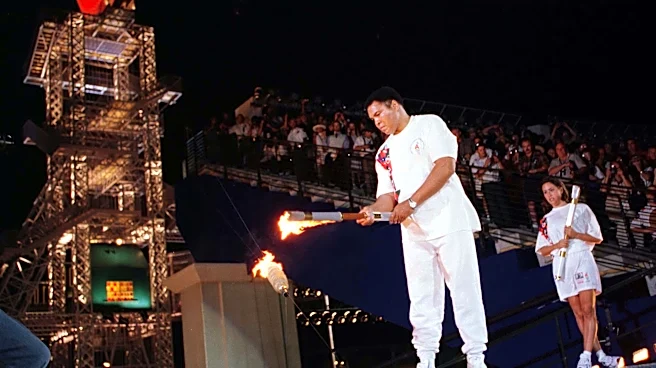
The torch relay for the 2028 Los Angeles Olympics will begin in Atlanta, Georgia, marking the first time the Olympic flame will travel through all 50 U.S. states. This announcement was made by LA28 organizers, with Atlanta Mayor Andre Dickens confirming
the city's role as the starting point. Atlanta previously hosted the Summer Games in 1996. The Olympic flame will first be lit in Olympia, Greece, its traditional birthplace, before arriving in the United States in spring 2028. The relay is designed to be one of the most extensive in Olympic history, featuring stops at significant landmarks, cultural events, and festival celebrations across the nation. The journey will culminate with the opening ceremony of the Los Angeles Olympics on July 14, 2028. The full route details are expected to be released in 2027. Following the Olympic Games, a separate Paralympic torch relay will commence, originating from Stoke Mandeville, England, the birthplace of the Paralympic movement, with its U.S. starting location to be announced later.
Why It's Important?
This extensive torch relay holds significant importance for national unity and engagement with the Olympic movement. By traversing all 50 states, the relay aims to foster a sense of shared excitement and participation across the entire country, rather than concentrating the Olympic spirit solely in the host city. This broad reach can inspire a new generation of athletes and sports enthusiasts, potentially boosting participation in various sports programs nationwide. For Atlanta, hosting the start of the relay reaffirms its legacy as an Olympic city and provides an opportunity to showcase its growth and connectivity since the 1996 Games. Economically, the relay's passage through numerous cities will generate local tourism and economic activity, as communities host events and welcome visitors. The involvement of major sponsors like Coca-Cola, JPMorganChase, Allstate, and Xfinity also highlights the commercial significance and broad appeal of the Olympic Games, ensuring substantial financial backing for the event's promotion and execution.
What's Next?
The immediate next step will be the announcement of the full torch relay route in 2027, which will detail the specific cities and landmarks the flame will visit across the 50 states. This announcement will likely generate considerable local excitement and planning efforts in the designated communities. Following this, preparations will intensify for the flame's lighting in Olympia, Greece, in spring 2028, leading up to its arrival in Atlanta. As the relay progresses, each state and city involved will likely organize local celebrations and events to welcome the torch, engaging residents and visitors. After the Olympic Games conclude, the focus will shift to the Paralympic torch relay, with its U.S. starting location yet to be determined. The success of this unprecedented 50-state relay could set a new precedent for future Olympic Games, influencing how host nations engage their entire populace in the Olympic spirit.
Beyond the Headlines
The decision to extend the Olympic torch relay to all 50 states represents a strategic shift towards a more inclusive and nationally representative celebration of the Games. This approach moves beyond the traditional focus on the host city and aims to embed the Olympic spirit deeply within the fabric of American society. It could foster a renewed sense of national pride and collective identity around the values of sportsmanship and international cooperation. Furthermore, the relay's journey through diverse communities and landscapes offers a unique opportunity for cultural exchange and education, highlighting the rich tapestry of American heritage. The emphasis on iconic landmarks and cultural events during the relay also serves as a powerful marketing tool, showcasing the United States' diverse attractions to a global audience. This expanded relay could also influence future major sporting events to adopt similar nationwide engagement strategies, broadening their impact beyond specific host regions.