



What's Happening?
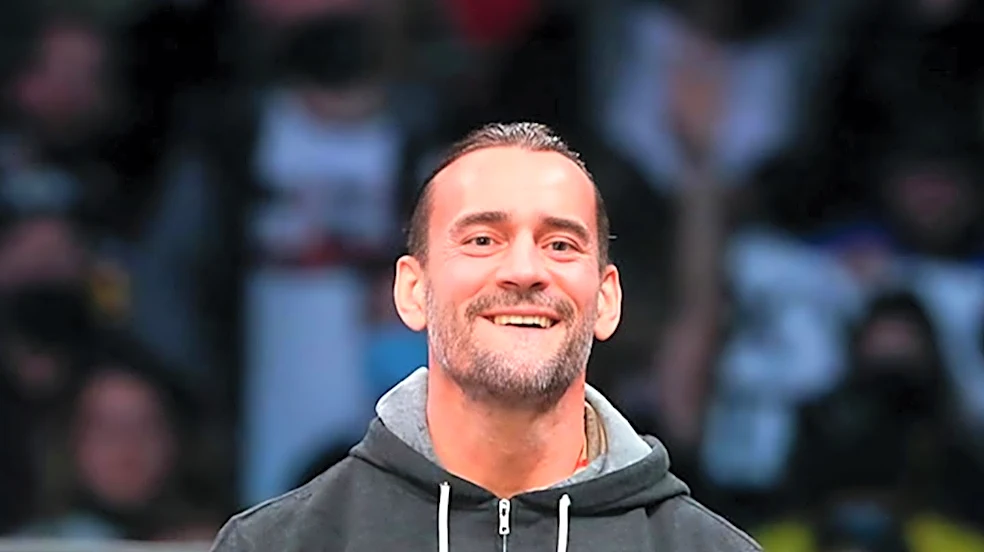
WWE star Drew McIntyre has publicly called fellow wrestler CM Punk a 'guilty piece of crap,' leveraging his criminology degree to justify his assessment. During an appearance on Stephanie McMahon’s 'What’s Your Story?' podcast, McIntyre was asked if he
applied his criminology background to his wrestling career. He quickly identified CM Punk as an interesting case study, suggesting that fans should compare their respective backgrounds to determine trustworthiness. McIntyre explicitly stated, 'He’s a terrible human being. I know he’s Charles Manson-like. I know he just woos you all with his words, but trust the guy that’s always been there for you.' When McMahon brought up the concept of 'guilty beyond a reasonable doubt,' McIntyre responded, 'No. He’s a guilty piece of crap.' This continues a long-standing rivalry between the two wrestlers, with McIntyre consistently expressing his disdain for Punk.
Why It's Important?
This public condemnation by Drew McIntyre highlights the intense personal rivalries that often extend beyond the scripted narratives of professional wrestling, impacting the public perception of athletes. McIntyre's use of his academic background to frame his criticism adds a unique dimension, attempting to lend an air of objective judgment to what is typically seen as a character-driven feud. This could influence fan sentiment, potentially polarizing audiences further between supporters of McIntyre and Punk. For WWE, such real-life friction, even if amplified for entertainment, can generate significant buzz and viewership, driving engagement with their programming and events. However, it also risks blurring the lines between kayfabe (fictional storylines) and reality, which can have unpredictable consequences for the wrestlers' careers and public images. The comparison to Charles Manson, a highly controversial figure, is particularly strong and could provoke significant reactions from fans and media alike.
What's Next?
The ongoing animosity between Drew McIntyre and CM Punk suggests a potential continuation of their rivalry within WWE storylines. McIntyre has hinted at continuing the feud upon his return, indicating that this public verbal attack is likely a precursor to future in-ring confrontations or narrative developments. Fans can anticipate that WWE may capitalize on this real-life tension, integrating it into future matches or segments to heighten drama and audience interest. The strong language used by McIntyre could also prompt a response from CM Punk, either directly or through his actions in upcoming appearances. This situation could lead to a high-profile match between the two, potentially at a major pay-per-view event, drawing significant attention to the personal stakes involved. The comments may also spark further debate among wrestling fans regarding the conduct and character of both individuals.
Beyond the Headlines
The incident delves into the complex relationship between a public persona and private character in professional sports entertainment. While wrestling often features exaggerated rivalries, McIntyre's pointed use of his criminology degree to 'judge' Punk raises questions about the ethical boundaries of personal attacks, even within a performance-based industry. It highlights how personal histories and perceived character flaws can be weaponized in public discourse, potentially impacting a performer's brand and career longevity. The comparison to a figure like Charles Manson, regardless of its intent, carries significant weight and could have lasting implications for how CM Punk is viewed by a segment of the audience. This event also underscores the power of social media and podcasts as platforms for wrestlers to shape narratives and engage with fans outside of traditional broadcast programming, further blurring the lines between their on-screen characters and their real-life identities.