







What's Happening?
Feng shui, an ancient Chinese practice, provides practical advice for enhancing living spaces, focusing on creating a calmer and more functional home environment. Key principles include clearing clutter, ensuring clear pathways through rooms, and positioning
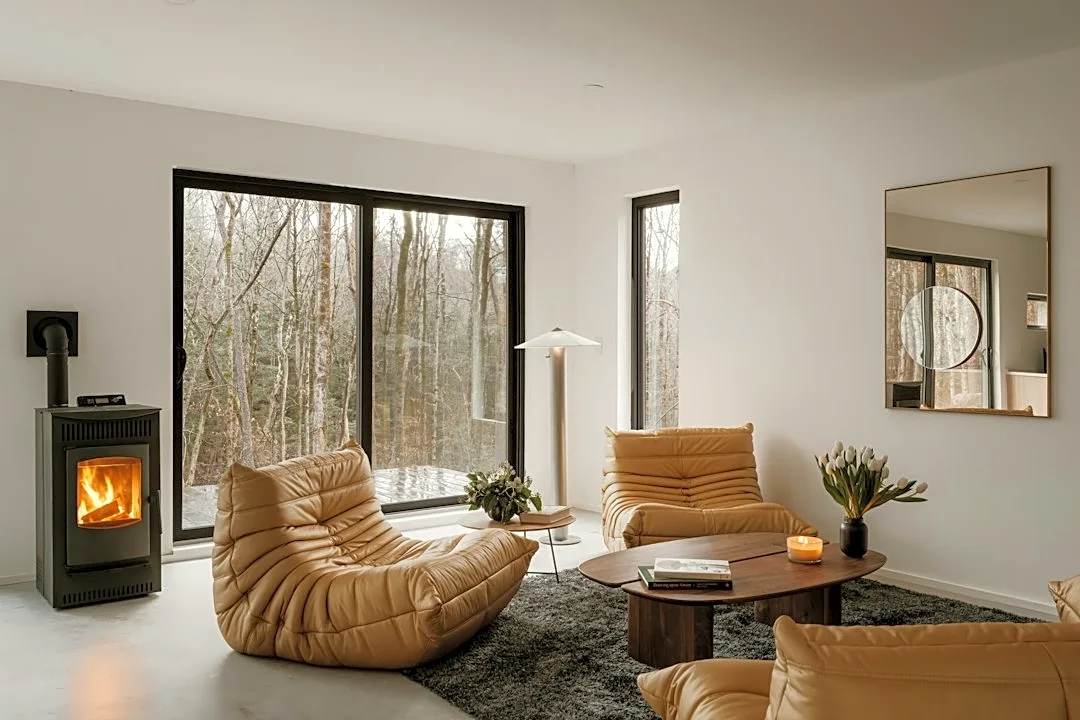
furniture like beds to offer a view of the door without being directly in line with it (known as the 'command position'). The practice also emphasizes the importance of light and air, advocating for working lamps and open windows, and maintaining balance through a mix of soft and hard surfaces, and bright and calm areas. While its roots are in concepts like 'qi' (vital breath), many of its suggestions align with common-sense interior design, such as tidying and organizing. Starting with small changes, like decluttering one room for a few minutes each evening, can lead to noticeable improvements in how a home feels. The core idea is to make a home feel more serene and usable, rather than adding anxiety with complex rules.
Why It's Important?
The widespread adoption of feng shui principles in U.S. homes and interior design can significantly impact the lifestyle and well-being of individuals. By focusing on practical aspects like decluttering and optimizing light and air, these principles can lead to more organized, comfortable, and visually appealing living spaces. This can, in turn, reduce stress and improve mood, contributing to better mental health for residents. For the interior design industry, it offers a framework for creating harmonious environments that go beyond aesthetics, potentially influencing design trends towards functionality and well-being. While the mystical aspects of feng shui are often viewed with skepticism, its emphasis on tangible improvements like clear entrances and balanced room layouts can benefit anyone seeking to enhance their home's atmosphere, regardless of belief in its traditional origins. This approach can empower individuals to make simple, effective changes that positively impact their daily lives.
What's Next?
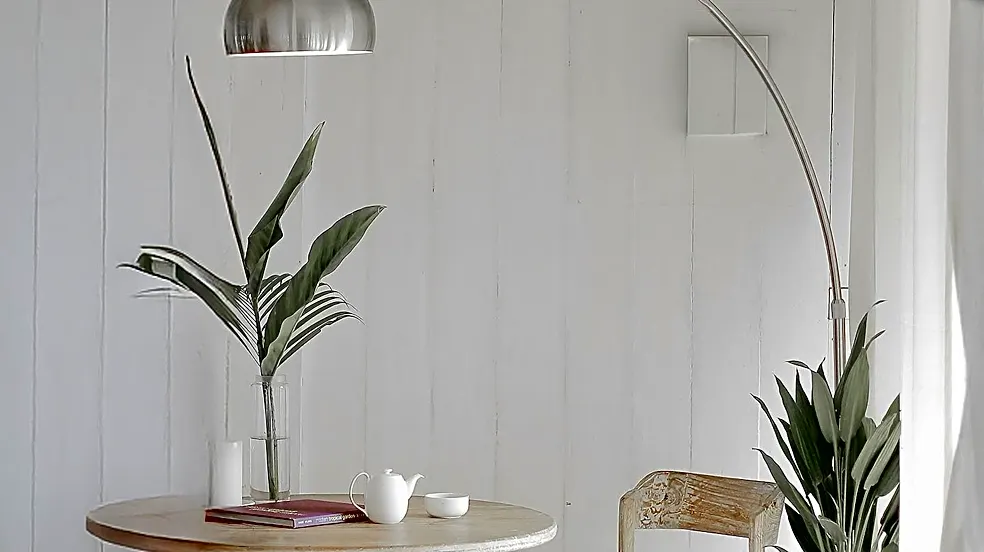
Individuals interested in applying feng shui can begin with a quick-start checklist: clearing the entrance, ensuring direct paths through rooms, repositioning a bed to see the door if feasible, and placing a non-toxic plant by the brightest window. After a week, they are encouraged to reflect on what feels better. The advice suggests starting small, perhaps by tidying one room for five minutes each evening, to observe changes. It also recommends setting aside any advice that causes anxiety or doesn't suit one's home, as the goal is to create calm, not stress. Reputable consultants openly state that feng shui cannot guarantee wealth or health, advising caution against those who promise such outcomes or sell expensive charms. The focus remains on observable effects, such as a lighter, tidier, and easier-to-navigate room, with anything beyond that considered symbolism and personal meaning.
Beyond the Headlines
Beyond its immediate application in home design, the enduring popularity of feng shui in the U.S. reflects a broader cultural interest in holistic well-being and mindful living. It highlights a desire for environments that not only look good but also feel good, suggesting a shift away from purely aesthetic considerations towards spaces that support emotional and psychological comfort. The practice encourages a deeper connection between individuals and their living spaces, fostering a sense of control and intentionality in home arrangement. This trend can also be seen as a response to the increasing complexities of modern life, where people seek sanctuaries that offer peace and order. The integration of ancient wisdom, even in a secularized form, into contemporary lifestyle choices underscores a continuous search for balance and harmony in an often chaotic world, influencing consumer choices in home furnishings, organization tools, and even architectural design.