





What's Happening?
Slow travel is emerging as a significant trend in the tourism industry, shifting the focus from rapid sightseeing to more profound engagement with destinations. This approach encourages travelers to extend their stays, explore beyond typical tourist attractions,
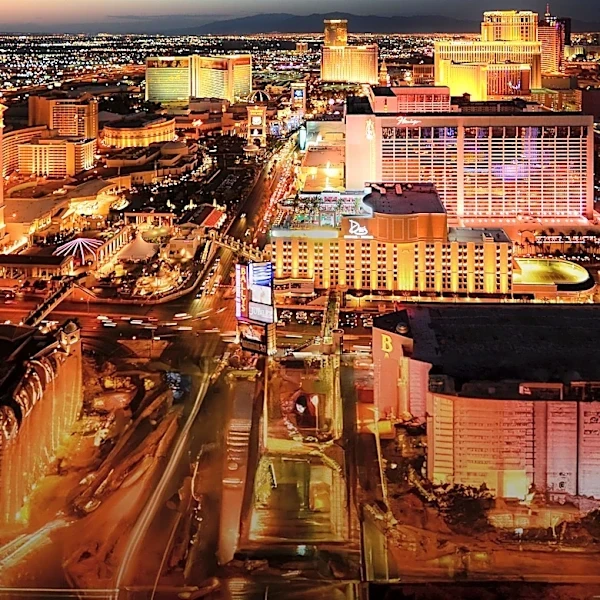
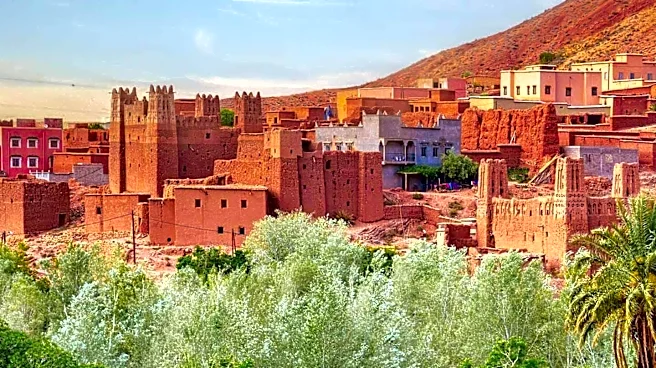
and immerse themselves in local communities and cultures. By spending more time in one location, visitors are more likely to patronize local businesses, including restaurants, small family-owned shops, and local guides, thereby distributing tourism revenue more broadly within the community. This method contrasts with traditional tourism models that often concentrate spending around a few major sites. The emphasis is on creating value from each visitor through authentic experiences and connections, rather than solely increasing visitor numbers. This movement is seen as a way to foster a deeper appreciation for the places visited, allowing travelers to learn local history, customs, and experience everyday life.
Why It's Important?
The rise of slow travel holds significant implications for local economies and the sustainability of the tourism industry. For U.S. communities, particularly those with rich cultural heritage or unique natural landscapes, this trend can lead to more meaningful economic impact. Instead of tourism dollars being funneled primarily to large corporations or major attractions, slow travel encourages spending that directly benefits small businesses and local residents. This can help diversify local economies, create jobs, and support the preservation of cultural traditions. Furthermore, by reducing the pressure on overcrowded hotspots, slow travel can contribute to a more sustainable tourism model, both environmentally and socially. It promotes a shift towards quality experiences and longer stays, which can lead to a more even distribution of tourism throughout the year and across different geographical areas, benefiting lesser-known communities and businesses.
What's Next?
As slow travel continues to gain momentum, tourism professionals and destinations are likely to adapt their strategies to cater to this evolving traveler preference. This could involve developing more immersive and extended itineraries, promoting local experiences, and investing in infrastructure that supports longer stays and deeper community engagement. Businesses may focus on offering unique, locally-sourced products and services, and collaborating with local artisans and guides. Policy-makers might explore incentives for travelers to extend their visits and for businesses to adopt sustainable practices. The emphasis will likely be on creating authentic connections and fostering a sense of belonging for visitors, encouraging repeat visits and positive word-of-mouth. Educational initiatives could also play a role in informing travelers about the benefits of slow travel and how to engage respectfully with local cultures.
Beyond the Headlines
The deeper implications of slow travel extend beyond economic benefits, touching upon ethical and cultural dimensions. This movement encourages a more conscious form of tourism, where travelers are not just consumers of experiences but active participants in the life of a destination. It fosters cross-cultural understanding and respect by providing opportunities for genuine interaction between visitors and locals. This can lead to a greater appreciation for diverse ways of life and a reduction in the negative impacts often associated with mass tourism, such as cultural commodification and environmental degradation. By prioritizing depth over breadth, slow travel can contribute to a more responsible and enriching global travel landscape, promoting a shift in mindset towards valuing quality of experience and genuine connection over superficial consumption.