



What's Happening?
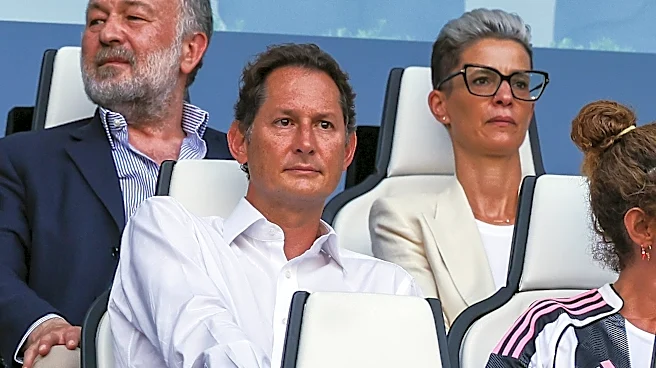
Ferrari Team Principal Fred Vasseur has urged his team to maintain unity and focus, following a period of media speculation regarding his position and the team's performance. The speculation intensified after former Red Bull F1 chief Christian Horner
made comments in an interview suggesting the Ferrari job would be a 'dream role.' This prompted Ferrari president John Elkann and CEO Benedetto Vigna to issue a statement publicly backing Vasseur. Ferrari drivers Lewis Hamilton and Charles Leclerc have also voiced their support for Vasseur. Vasseur emphasized the need for serenity and stability within the team to avoid distractions and concentrate on current season performance and future car development. He acknowledged that while the team had a positive start to the season, recent races have been challenging, and improvements are needed across the entire car package, not just the power unit.
Why It's Important?
This situation highlights the intense pressure and scrutiny faced by leadership in high-stakes competitive environments like Formula 1, particularly within an iconic brand like Ferrari. The public backing from Ferrari's top executives and drivers is crucial for maintaining team morale and stability, which are vital for performance. Internal divisions or leadership uncertainty can significantly impact a team's ability to innovate and execute, especially when developing future technologies like the 2027 power unit. The call for unity underscores the importance of a cohesive organizational structure in achieving competitive success. For Ferrari, a brand with a global following and significant commercial interests, consistent performance and a stable leadership are essential for its brand image and financial health. The ongoing development of the 2027 car and power unit is a long-term strategic objective, and any internal turmoil could jeopardize these critical projects.
What's Next?
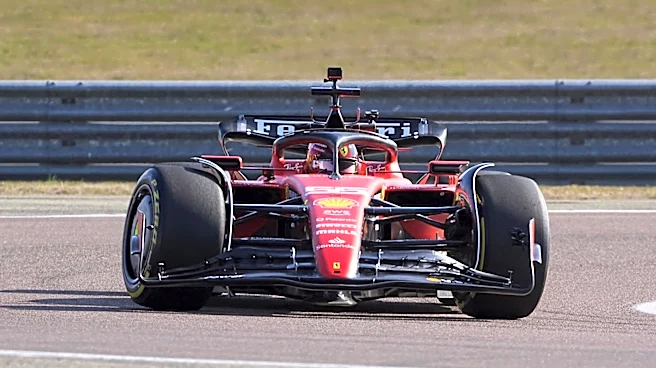
Ferrari will likely continue to focus on improving the performance of its current SF-26 car, with Vasseur indicating that smaller, incremental upgrades are expected soon, particularly for the aerodynamic package and active-aero concept. The team's primary long-term objective remains the development of the 2027 car and a significant rethink of its power unit. Vasseur's emphasis on unity suggests an internal effort to minimize external distractions and maintain focus on these technical challenges. The team will need to demonstrate tangible performance improvements in upcoming races to quell further media speculation and reinforce confidence in its leadership and development strategy. The reactions of rival teams, particularly Mercedes, Red Bull, and McLaren, to Ferrari's development efforts will also be a key factor to watch, as they continue to introduce upgrades and close performance gaps.
Beyond the Headlines
The situation at Ferrari extends beyond immediate race results, touching upon the broader dynamics of leadership, team psychology, and strategic planning in elite sports. The public nature of the speculation and the need for official statements of support reveal the unique pressures on a team like Ferrari, where performance is not just a sporting matter but also a point of national pride and brand identity. The comments from Lewis Hamilton, suggesting potential structural changes, hint at deeper organizational considerations that may need addressing, even if Vasseur believes finger-pointing is a mistake. This scenario underscores the delicate balance between maintaining stability and implementing necessary changes for long-term competitiveness. The focus on the 2027 power unit and car development signifies a forward-looking strategy, but its success will depend heavily on the team's ability to foster a unified and effective working environment in the present.