





What's Happening?
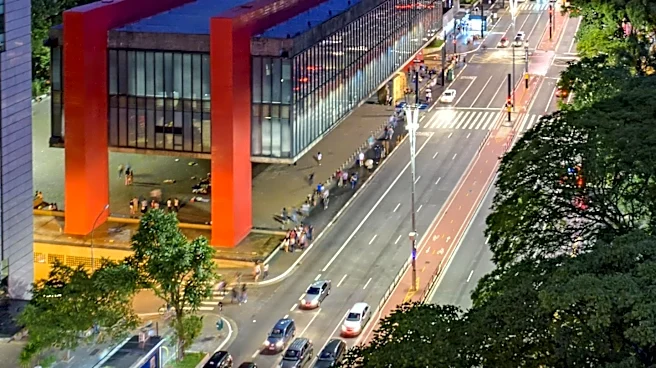
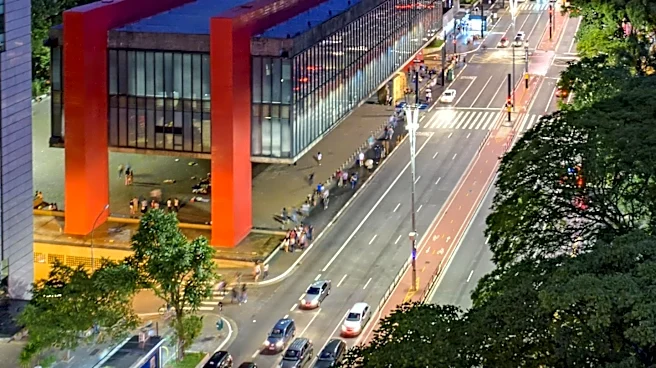
São Paulo, Brazil's largest city, is being highlighted as a significant hub for business, culture, gastronomy, art, and entertainment. The city offers a wide array of attractions, including museums, galleries, diverse culinary experiences, and extensive
shopping opportunities. Key landmarks such as Avenida Paulista, the São Paulo Museum of Art (MASP), Theatro Municipal de São Paulo, and the Sé Metropolitan Cathedral are central to its appeal. The city's multicultural population contributes to an exceptionally diverse restaurant and food scene, making it a notable destination for food tourism. São Paulo also serves as an important domestic and international travel hub due to its extensive air connections, making it a gateway to other Brazilian destinations. Travelers can combine business activities with cultural and sightseeing experiences, and the city is suitable for both short visits and luxury holidays, offering high-end hotels and private cultural experiences.
Why It's Important?
São Paulo's prominence as a multifaceted urban center is crucial for its economic and cultural development. Its robust business environment attracts international investment and trade, while its rich cultural offerings, including art, theater, and diverse cuisine, enhance its global appeal. The city's role as a major travel hub facilitates tourism, which in turn supports local businesses, creates employment opportunities, and boosts the service sector. The emphasis on food tourism and luxury travel segments indicates a growing sophistication in its tourism market, attracting higher-spending visitors. This diversification strengthens São Paulo's position as a leading South American city, contributing significantly to Brazil's overall economic landscape and international image.
What's Next?
São Paulo is expected to continue leveraging its status as a major international gateway and cultural center. Future developments will likely focus on enhancing its tourism infrastructure, promoting its diverse cultural heritage, and expanding its offerings for both business and leisure travelers. The city's ability to combine business activities with cultural and culinary experiences suggests a strategic direction towards integrated tourism. Efforts to attract international visitors, including those from distant markets like Kenya, indicate a proactive approach to global outreach. Continued investment in its cultural institutions and culinary scene will further solidify its reputation as a world-class destination.
Beyond the Headlines
The growth of São Paulo as a global city reflects broader trends in urbanization and the increasing importance of cultural and economic hubs in emerging markets. Its success in blending business with tourism highlights a model for sustainable urban development, where economic prosperity is intertwined with cultural preservation and enhancement. The city's diverse culinary scene, influenced by its multicultural population, underscores the power of immigration in shaping urban identity and attracting global interest. This dynamic interplay between economic activity, cultural richness, and international connectivity positions São Paulo as a significant case study in modern urban evolution.