






What's Happening?
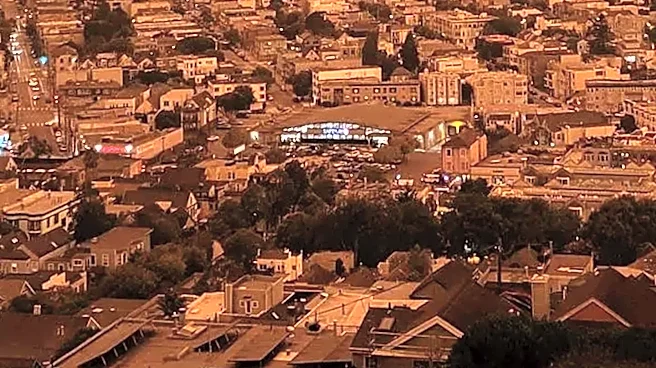
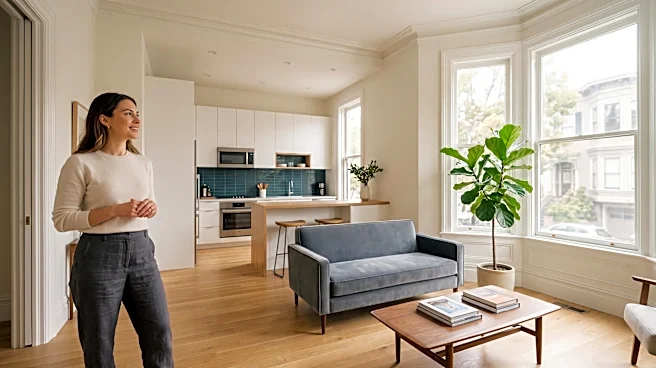
Newly affluent AI executives in San Francisco are demonstrating a distinct preference for 'low-tech' luxury homes, moving away from smart gadgets and conspicuous displays of wealth. According to brokers and designers, these clients are seeking properties
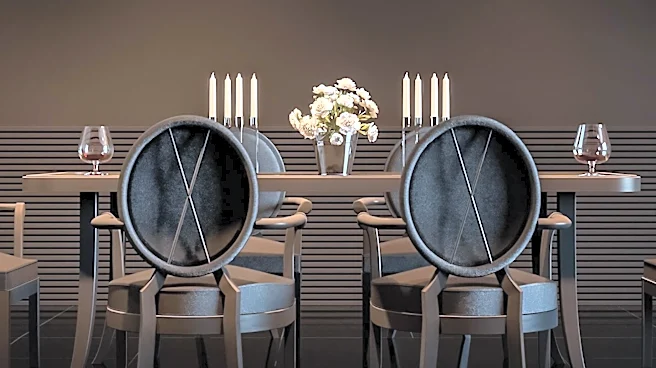
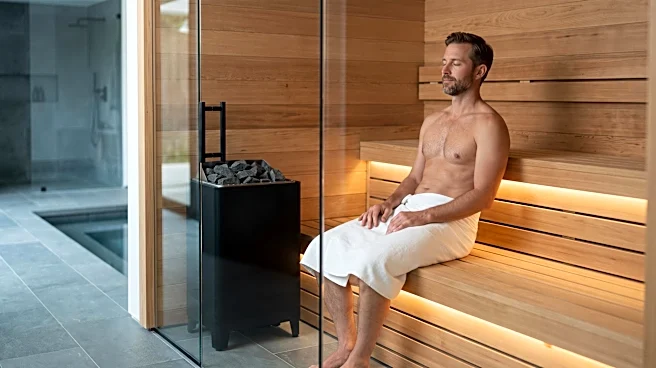
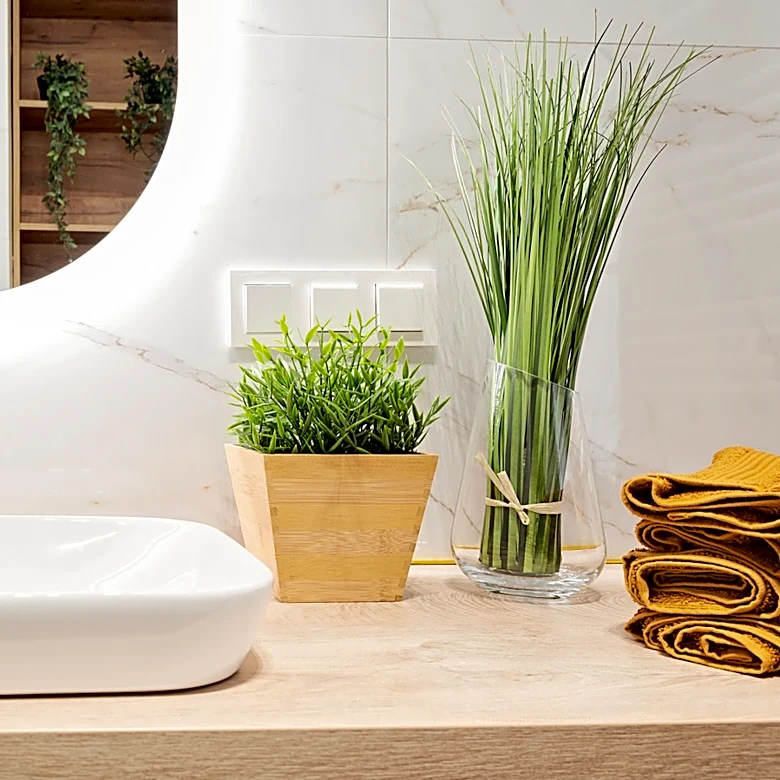
that emphasize natural materials, calm interiors, and wellness amenities. Common requests include saunas, cold plunges, red-light therapy, private gyms, and libraries. Annie Williams, a veteran San Francisco broker with Sotheby’s International Realty, notes a significant shift from previous generations who favored wine cellars, with current buyers frequently asking about sauna installations. Jennifer Jones, principal designer at Niche Interiors, observes clients converting wine rooms into spas or saunas. The aesthetic leans towards warm woods, handmade pieces, organic shapes, textured fabrics, muted palettes, and sculptural furniture, embodying a 'California modernism meets quiet luxury' style. Despite the 'low-tech' preference, these clients are willing to spend significantly on custom craftsmanship, with examples including $150,000 chandeliers and over $100,000 rugs.
Why It's Important?
This trend among San Francisco's AI elite signals a significant shift in luxury real estate and interior design preferences, particularly within the tech sector. It indicates a growing desire for environments that offer a respite from constant digital engagement, prioritizing mental and physical well-being. For the U.S. real estate market, this could lead to increased demand for homes with integrated wellness features and a more minimalist, natural aesthetic, potentially influencing architectural design and construction trends. Businesses specializing in high-end wellness installations, custom furniture, and natural building materials stand to gain. Conversely, companies focused on smart home technology might need to adapt their offerings to align with this 'unplugged' luxury. The emphasis on 'quiet luxury' also reflects a broader cultural movement where status is conveyed through quality and understated elegance rather than overt opulence, impacting consumer goods and services beyond housing.
What's Next?
The demand for 'low-tech' luxury homes and wellness amenities is expected to continue growing among the tech affluent, potentially spreading to other high-net-worth demographics. Real estate developers and interior designers will likely incorporate more wellness-focused spaces and natural design elements into their projects. The market for custom, handcrafted goods and high-end wellness equipment, such as saunas and cold plunges, is poised for expansion. This trend may also prompt a re-evaluation of what constitutes 'luxury' in the modern home, shifting focus from technological integration to creating serene, restorative environments. Furthermore, the speed at which AI clients expect projects to be completed, despite the artisanal nature of their desired items, highlights a tension between the fast-paced tech world and the slower processes of traditional craftsmanship, which could lead to innovations in project management within the luxury design sector.
Beyond the Headlines
The preference for 'low-tech' homes among AI executives reveals a deeper societal paradox: those at the forefront of technological advancement are actively seeking to disconnect from it in their personal lives. This suggests a growing awareness of the potential for digital overload and a desire to create boundaries between work and personal well-being. It highlights the psychological impact of constant connectivity and the emerging value placed on 'digital detox' environments. This trend could also be interpreted as a form of 'conscious consumption,' where luxury is defined not by what technology can do, but by what it can allow one to escape. It raises questions about the long-term effects of technology on mental health and how individuals, particularly those deeply immersed in tech, will continue to seek balance and tranquility in their daily lives.