





What's Happening?
Suzanne Magaziner, mother of U.S. Rep. Seth Magaziner, who recently passed away at 74, is being remembered for her significant contributions to low-income Rhode Islanders through her farm. For two decades, under her supervision, the Magaziner Farm donated
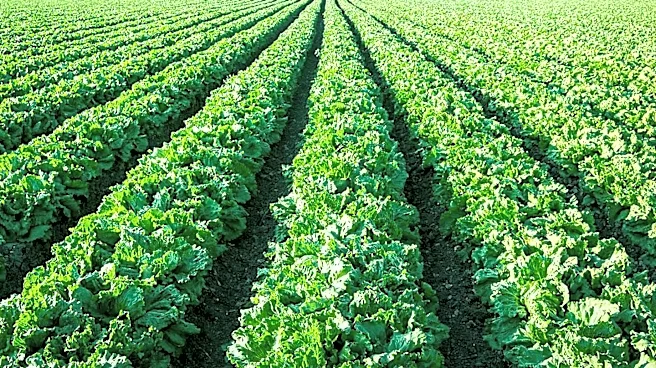
thousands of pounds of fresh produce annually to the Food Bank. The farm's operations had ceased three years ago due to a shortage of volunteers. However, the Rhode Island Community Farm is now set to open a new branch on the Magaziner family's old land in Bristol, specifically on Poppasquash Point. This initiative will continue Suzanne Magaziner's legacy of providing food to those in need, with all produce grown on the 30-acre parcel to be donated to the food insecure. The Magaziners acquired pieces of the farm in the 1980s from their neighbor, Joe Robinson, who managed it until his death in 2001. The Rhode Island Community Farm, which already operates several nonprofit farms, aims to produce a substantial amount of fresh produce for the Rhode Island Community Food Bank.
Why It's Important?
This development is important for addressing food insecurity in Rhode Island and highlights the enduring impact of community-focused philanthropy. The reopening of the farm under the Rhode Island Community Farm's management ensures a continued supply of fresh, healthy produce for vulnerable populations, which is crucial for public health and well-being. Many low-income individuals and families struggle to access nutritious food, often relying on food banks that may have limited fresh options. This initiative directly tackles that challenge, providing a sustainable source of produce. Furthermore, it preserves agricultural land, preventing its conversion for other uses and maintaining green spaces within the community. The project also fosters community engagement through volunteer opportunities, strengthening social bonds and promoting a sense of collective responsibility. It serves as a powerful example of how private land and community organizations can collaborate to create lasting social benefits, honoring the legacy of individuals like Suzanne Magaziner.
What's Next?
The Rhode Island Community Farm plans to open its new branch on the Magaziner family's land as early as the end of the current month. The initial phase will involve planting two or three fields this spring, with plans to clear another for planting in the fall. The organization aims to restore a dilapidated barn and potentially plant an orchard on the property. The goal is to produce up to 12,000 pounds of fresh produce in the first season, all destined for the Rhode Island Community Food Bank. The success of this new branch will depend on volunteer participation and community support, mirroring the challenges faced by the original Magaziner Farm. The Rhode Island Community Farm, which has plans to open additional branches in Cumberland and Tiverton, will likely seek to expand its volunteer base and secure ongoing funding to sustain and grow its operations, ensuring a long-term impact on food security in the region.
Beyond the Headlines
Beyond the immediate benefit of providing fresh produce, this story underscores the broader significance of local food systems and community-led initiatives in addressing social issues. In an increasingly globalized food market, local farms like this one offer resilience against supply chain disruptions and promote healthier eating habits by making fresh food accessible. The project also highlights the value of preserving agricultural heritage and land, especially in areas facing development pressures. Ethically, it reinforces the idea of civic responsibility and the power of individual and family legacies to inspire collective action. The collaboration between a private landowner and a non-profit organization serves as a model for sustainable community development, demonstrating how resources can be pooled to tackle complex problems like food insecurity. This initiative could also inspire other communities to explore similar models, fostering a nationwide movement towards more localized and equitable food distribution systems.