






What's Happening?
Geriatric medicine experts are emphasizing the importance of proactive lifestyle habits for healthy aging and increased longevity, moving beyond the social media buzzword to practical, actionable advice. Dr. Elizabeth Eckstrom, a professor of medicine,
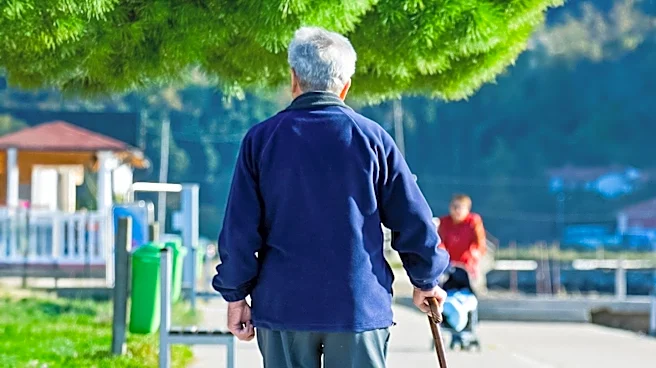
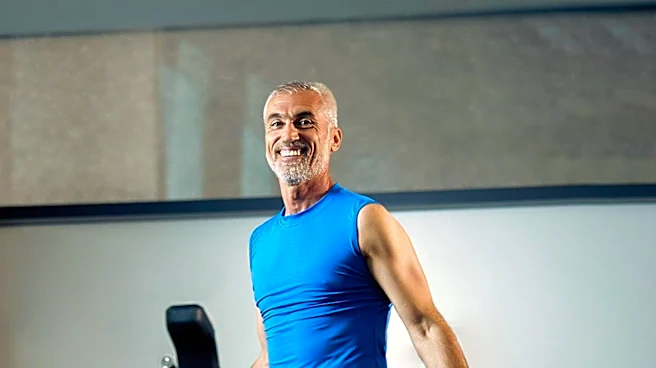
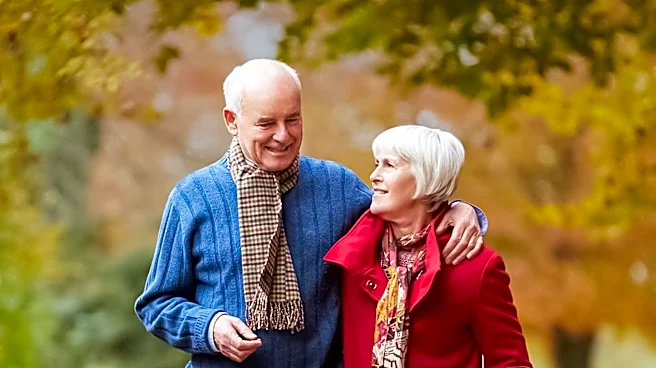
highlights that a lifetime of health contributes to good longevity and healthspan. Dr. David Nace, a geriatrician, stresses that it's never too late to start making lifestyle changes, regardless of age. Key recommendations from these experts include prioritizing physical activity, particularly through midlife (ages 35-64), and considering practices like Tai Chi, which has been shown to reduce fall risks and improve brain function. Other crucial habits involve protecting hearing and addressing vision loss, as these factors significantly impact socialization and cognitive health, reducing the risk of dementia. Following a nutritious diet, specifically the Mediterranean diet, is also strongly advised for its benefits in reducing the risk of Alzheimer's dementia. Furthermore, experts strongly caution against tobacco product use and excessive alcohol consumption due to their detrimental effects on overall health and increased risks of various diseases, including cancer, heart disease, and dementia. Finally, staying cognitively, physically, and socially active during retirement is deemed essential to prevent withdrawal and maintain mental and physical well-being.
Why It's Important?
These recommendations from geriatric medicine experts are crucial for public health in the U.S., as they offer a clear roadmap for individuals to improve their quality of life and reduce the burden of age-related diseases. By emphasizing preventive measures, these guidelines can potentially decrease healthcare costs associated with chronic conditions and long-term care. The focus on exercise, diet, and sensory health (hearing and vision) addresses modifiable risk factors for common ailments like dementia and physical disability, which are major concerns for an aging population. The advice to avoid tobacco and limit alcohol directly tackles leading causes of preventable illness and mortality. For society, a healthier aging population means more engaged and productive seniors, contributing to communities and the economy for longer. This shift towards proactive health management empowers individuals to take control of their aging process, fostering greater independence and well-being, and potentially alleviating pressure on family caregivers and social support systems.
What's Next?
The continued emphasis on these lifestyle habits by medical professionals suggests a growing trend towards integrating preventive geriatrics into mainstream healthcare. We can anticipate increased public health campaigns promoting exercise, healthy eating, and sensory health awareness. There may also be a greater push for accessible programs like Tai Chi in communities and senior centers. Healthcare providers might incorporate more detailed lifestyle counseling into routine check-ups, focusing on long-term healthspan rather than just disease treatment. Research will likely continue to explore the specific mechanisms through which these habits contribute to longevity, potentially leading to more refined guidelines and personalized recommendations. Furthermore, as awareness grows, there could be a greater demand for products and services that support these healthy behaviors, from specialized fitness classes to nutritional guidance and hearing/vision care. The challenge will be to ensure equitable access to resources and education, allowing all segments of the population to benefit from these longevity-enhancing strategies.
Beyond the Headlines
The expert advice on longevity extends beyond mere physical health, touching upon the psychological and social dimensions of aging. The recommendation to stay active and engaged during retirement, for instance, highlights the critical role of social connection and cognitive stimulation in preventing isolation and maintaining mental acuity. This underscores a holistic view of aging, where well-being encompasses physical, mental, and social health. Ethically, promoting these habits raises questions about individual responsibility versus societal support; while individuals are encouraged to make healthy choices, systemic factors like access to nutritious food, safe exercise environments, and affordable healthcare also play a significant role. Culturally, this movement challenges ageist stereotypes by promoting an active and vibrant image of older adults, encouraging a shift from viewing aging as a period of decline to one of continued growth and contribution. The long-term impact could be a redefinition of what it means to age in America, fostering a society that values and supports healthy, active longevity for all its members.