





What's Happening?
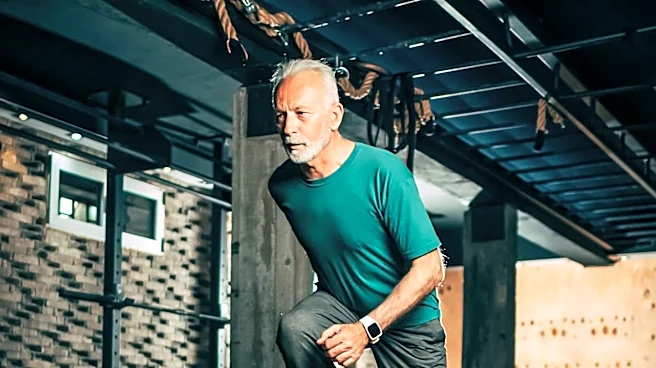
Harry King, an 83-year-old fitness trainer, emphasizes the importance of strength training for seniors to combat muscle mass and bone density loss. King, who has been diagnosed with advanced osteoarthritis and rheumatoid arthritis, continues to work out
four days a week and trains others. He advocates for a resistance training program that can help seniors minimize falls and injuries by strengthening muscles and maintaining bone density. King suggests a workout routine that includes a five to ten-minute cardiovascular warm-up followed by 45 to 60 minutes of resistance training. This routine involves exercises targeting both upper and lower body muscle groups, performed with equipment such as dumbbells, cable machines, and leg press machines. King advises seniors to progress appropriately and listen to their bodies to avoid injuries.
Why It's Important?
The significance of King’s advocacy lies in addressing the common issue of muscle and bone density loss among seniors, which can lead to reduced balance and increased risk of falls. By promoting strength training, King provides a practical solution to enhance the quality of life for older adults, potentially reducing healthcare costs associated with fall-related injuries. His approach also challenges the stereotype that seniors cannot engage in rigorous physical activity, encouraging a more active lifestyle that can lead to improved physical and mental health. This initiative could inspire more fitness programs tailored to the needs of the aging population, fostering a culture of health and wellness among seniors.
What's Next?
As more seniors become aware of the benefits of strength training, there may be an increased demand for fitness programs and trainers specializing in senior fitness. Gyms and fitness centers might expand their offerings to include classes and equipment designed for older adults. Additionally, healthcare providers could begin recommending strength training as part of a comprehensive approach to senior health, potentially leading to collaborations between medical professionals and fitness experts. This trend could also influence public health policies aimed at promoting physical activity among seniors, encouraging community-based initiatives to support active aging.
Beyond the Headlines
King’s story highlights the broader cultural shift towards recognizing the capabilities and potential of seniors in maintaining an active lifestyle. It challenges age-related stereotypes and promotes inclusivity in fitness spaces. The emphasis on strength training for seniors also raises awareness about the importance of preventive health measures, encouraging individuals to take proactive steps in managing their health as they age. This development could lead to increased research and innovation in fitness programs and equipment tailored to the needs of older adults, ultimately contributing to a more age-friendly society.