









What's Happening?
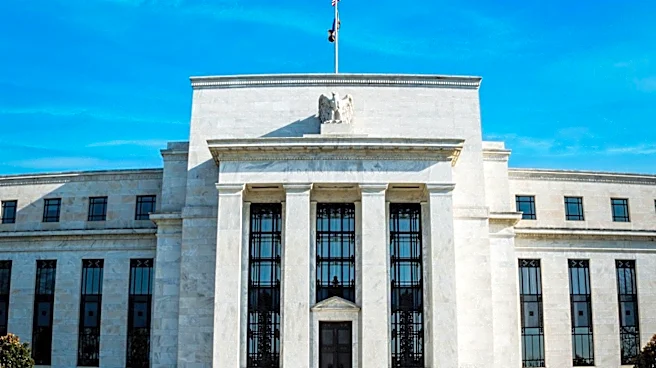
Recent economic data has led to a shift in expectations regarding the Federal Reserve's interest rate policy. Despite softer inflation data, the U.S. economy shows resilience with retail sales rising by 0.2% in June and jobless claims falling to their
lowest in ten weeks. This has resulted in a less dovish outlook on interest rates, with markets now anticipating the Fed to maintain its current benchmark rate. The yield on the 10-year U.S. Treasury note is trading near 4.57%, and the U.S. dollar index is firming, indicating a stabilization in market reactions.
Why It's Important?
The Federal Reserve's interest rate decisions are crucial for economic stakeholders, influencing borrowing costs, consumer spending, and investment. The current economic resilience suggests that the Fed may not cut rates soon, impacting sectors reliant on low borrowing costs. A stable interest rate environment could support continued economic growth, but persistent inflation could lead to future rate hikes, affecting consumer purchasing power and business investment strategies.
What's Next?
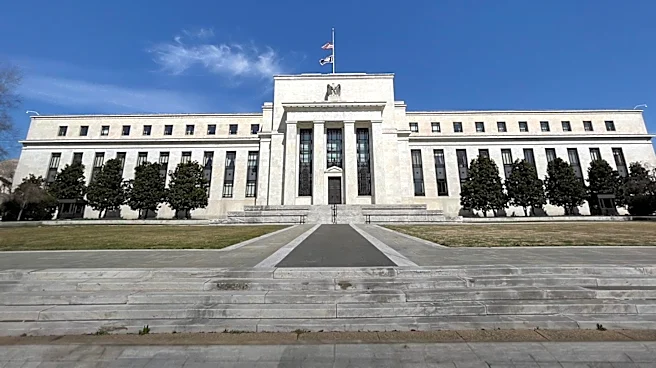
The Federal Reserve's upcoming meeting on July 29 will be closely watched for any changes in interest rate policy. Market participants will also monitor further economic data releases and Fed commentary for indications of future monetary policy directions. Any disruptions, such as geopolitical tensions affecting oil prices, could also influence the Fed's decisions.