





What's Happening?
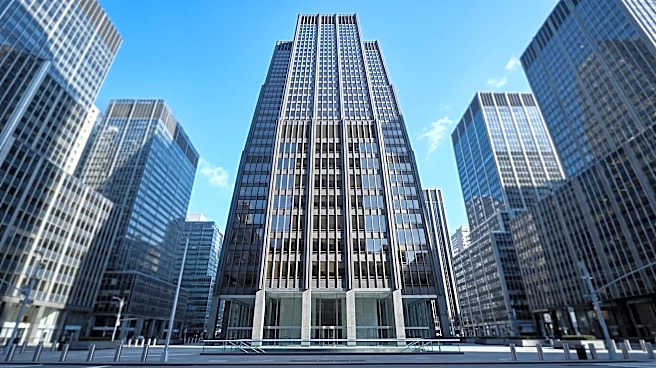
One Vanderbilt, a supertall office tower adjacent to Grand Central Terminal in Midtown Manhattan, is being highlighted as a premier Class A product in New York City's office market. The building emphasizes connectivity, performance, and tenant experience,
offering direct access into Grand Central, allowing occupants to move from transit to office without going outside. This feature is designed to enhance commute efficiency and daily operations. The tower boasts large, column-free floor plates, high ceiling heights, and floor-to-ceiling glass for optimal natural light and skyline views. It also includes a comprehensive suite of high-end tenant amenities, such as curated dining, meeting and event spaces, and an advanced lobby experience. With approximately 1.7 million square feet of rentable office area and standing at 1,401 feet, One Vanderbilt is one of the tallest office towers in New York City, providing unobstructed views.
Why It's Important?
One Vanderbilt's design and features represent a significant benchmark for modern office environments in the U.S., particularly in a competitive market like Midtown Manhattan. Its focus on direct transit integration addresses a critical need for efficiency in urban commuting, potentially attracting companies seeking to optimize employee experience and productivity. The building's advanced infrastructure and amenities set a new standard for Class A office space, influencing tenant expectations and potentially driving demand for similar high-quality developments. For the U.S. commercial real estate industry, One Vanderbilt demonstrates that premium pricing can be justified by superior performance, location, and tenant-centric design, even in a changing work landscape. This development can impact rental rates and property values in the surrounding Grand Central submarket, benefiting property owners and developers who can offer comparable advantages, while potentially challenging older, less integrated office inventory.
What's Next?
The success of One Vanderbilt in attracting and retaining high-profile tenants will likely serve as a case study for future commercial real estate developments in major U.S. cities. Other developers may seek to replicate its model of seamless transit integration, advanced amenities, and sustainable design to remain competitive. The building's impact on the Grand Central submarket will continue to be observed, particularly how it influences leasing trends and property valuations for neighboring office buildings. As companies re-evaluate their office space needs in a post-pandemic environment, properties like One Vanderbilt, which prioritize employee well-being, connectivity, and efficiency, may see sustained demand. This could lead to further investment in upgrading existing office stock or developing new, highly integrated commercial properties across the U.S.
Beyond the Headlines
One Vanderbilt's emphasis on a fully integrated experience, from direct transit access to high-end amenities, reflects a broader shift in the value proposition of office spaces. Beyond just square footage, companies are increasingly looking for environments that enhance employee satisfaction, foster collaboration, and support a modern work culture. This trend has implications for urban planning and infrastructure development, as the integration of commercial buildings with public transit becomes a more critical factor in attracting businesses and talent. The 'supertall' category of buildings, exemplified by One Vanderbilt, also symbolizes a continued belief in the importance of physical presence and iconic architecture in corporate identity, despite the rise of remote work. This development underscores the ongoing evolution of urban centers as dynamic hubs where connectivity, convenience, and quality of life are paramount for both businesses and their employees.