

What's Happening?
Nostalgia is significantly influencing current fashion trends, particularly among Gen Z, leading to a resurgence of styles from the Y2K and early 2010s eras. Brands such as Juicy Couture, FreeCity, and Brandy Melville are experiencing renewed interest.
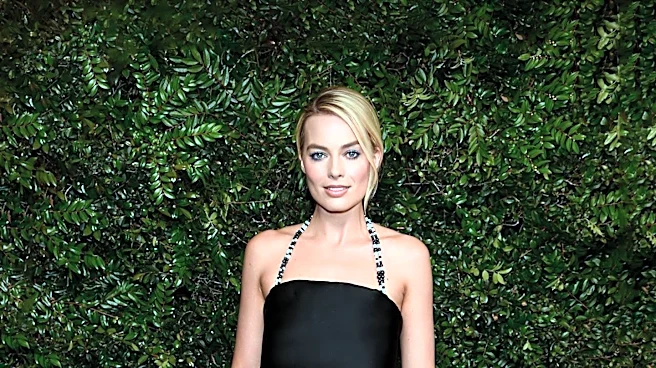
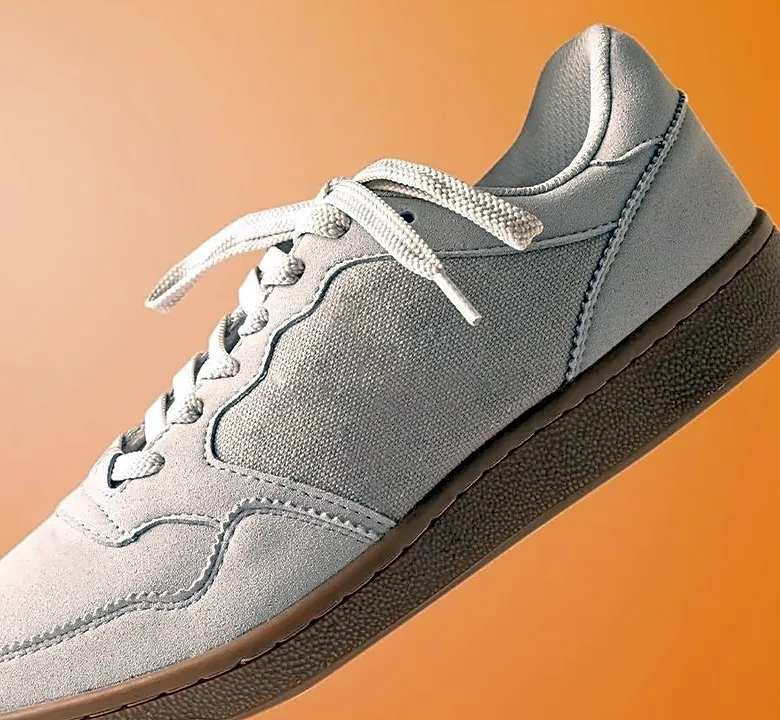
This trend is characterized by the return of velour tracksuits, graphic sweatshirts, and oversized silhouettes. Beyond these specific items, autumn fashion is also incorporating nostalgic elements like check prints and retro-inspired sneakers. Additionally, fall dresses are featuring materials such as corduroy and designs reminiscent of romantic poet dresses. Even hairstyles are reflecting this backward glance, as seen with Margot Robbie's midlength bob with flippy ends on the set of the Ocean’s Eleven prequel, indicating a broader embrace of past aesthetics in contemporary style.
Why It's Important?
The strong influence of nostalgia on fashion trends highlights a significant shift in consumer preferences, particularly within the U.S. market. This trend impacts retailers and designers, who must adapt their offerings to meet the demand for retro styles. For brands like Juicy Couture and Brandy Melville, this resurgence offers a valuable opportunity for revitalization and increased market share. The emphasis on Y2K and early 2010s aesthetics also reflects a broader cultural phenomenon where younger generations are re-engaging with past decades, often through social media and digital platforms. This can lead to a cyclical nature of fashion, where trends from previous generations are continuously reinterpreted. Economically, this can boost sales in specific product categories and materials, such as velour and corduroy, and influence manufacturing and marketing strategies across the fashion industry. The trend also suggests a desire for comfort and familiarity in clothing, potentially as a response to contemporary uncertainties.
What's Next?
The continued momentum of nostalgic fashion suggests that brands will likely further lean into retro aesthetics, potentially exploring other past decades for inspiration. Consumers can anticipate more collaborations between contemporary designers and iconic brands from the Y2K and early 2010s. Retailers may dedicate more floor space and marketing efforts to 'throwback' collections, and we could see an increase in vintage and second-hand markets as consumers seek authentic pieces. The trend is also expected to influence adjacent industries, such as beauty and accessories, with retro hairstyles and makeup looks gaining popularity. Designers will likely continue to innovate by blending nostalgic elements with modern sensibilities, ensuring that these revived styles feel fresh and relevant. The longevity of this trend will depend on its ability to evolve and capture the interest of new consumer segments, potentially leading to a sustained period of retro-inspired fashion cycles.
Beyond the Headlines
The pervasive nature of nostalgic fashion extends beyond mere clothing choices, touching upon deeper cultural and psychological aspects. This trend can be seen as a form of escapism, offering a sense of comfort and familiarity in an increasingly complex and rapidly changing world. For Gen Z, who may not have experienced these eras firsthand, the adoption of Y2K and early 2010s styles can represent a curated connection to a perceived simpler time, often romanticized through media and digital platforms. It also highlights the power of social media in accelerating and amplifying fashion cycles, allowing past trends to be rediscovered and reinterpreted at an unprecedented pace. Ethically, this raises questions about sustainable consumption, as fast fashion brands might capitalize on fleeting trends, potentially increasing waste. Culturally, it underscores the cyclical nature of trends and the continuous re-evaluation of historical aesthetics, demonstrating how fashion serves as a mirror to societal moods and aspirations.