







What's Happening?
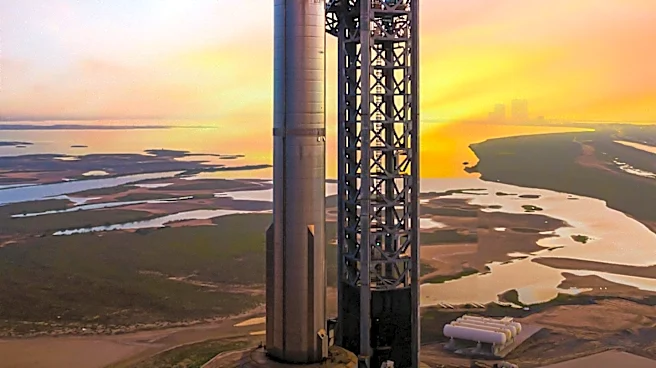
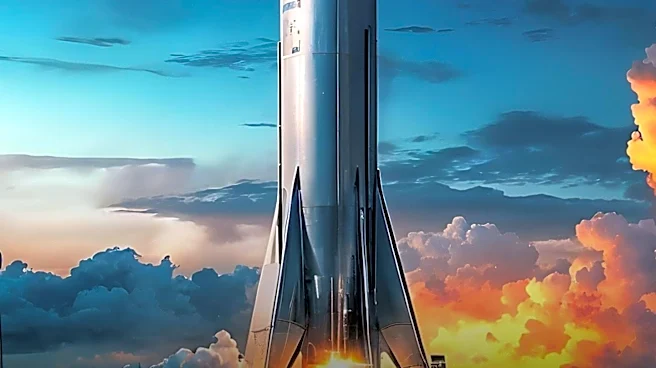
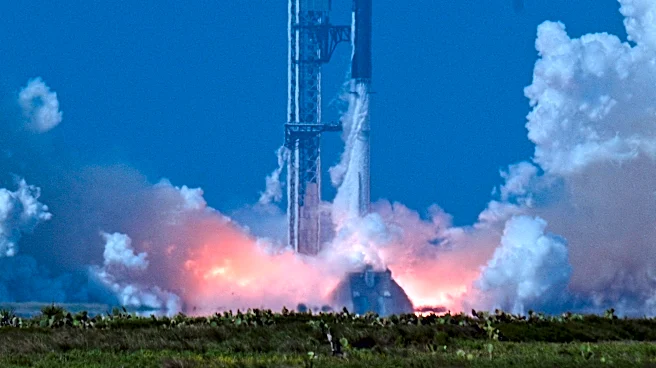
SpaceX is gearing up for the launch of Starship Flight 13, scheduled for July 16. This mission follows recent engine tests on both stages of the Starship vehicle, which is designed for full reusability. The launch will carry 20 Starlink V3 satellites,
marking the first time these functional satellites are deployed by Starship. The mission aims to test the fixes implemented after issues encountered during the previous flight, Flight 12. These issues included a sequence change in the Ship's engines and ignition failures in the Super Heavy booster. SpaceX has addressed these problems with hardware updates and a modified startup sequence. The Starlink V3 satellites will undergo functionality testing in space, with six equipped with cameras for heatshield inspection. Despite the suborbital trajectory, all satellites are expected to burn up upon reentry into Earth's atmosphere.
Why It's Important?
The successful deployment and testing of Starlink V3 satellites are crucial for SpaceX's plans to expand its internet satellite constellation, which aims to enhance the capacity and speed of its wireless network services. This mission is a significant step in validating the upgrades made to the Starship vehicle, which is pivotal for SpaceX's long-term goals of achieving full reusability and reducing space travel costs. The mission's success could bolster SpaceX's position in the competitive satellite internet market and demonstrate the viability of its ambitious space exploration plans. Additionally, the Federal Aviation Administration's approval of SpaceX's corrective actions following Flight 12's mishaps underscores regulatory confidence in SpaceX's ability to address technical challenges.
What's Next?
If Flight 13 proceeds as planned, SpaceX may attempt the first recovery of the Starship V3 at its Texas launch site in future missions. The company aims to achieve several technical milestones, including launching into a stable orbit and demonstrating successful rendezvous and docking with other spacecraft. These achievements are essential for SpaceX to transition Starship from its development phase to full operational status. The upcoming missions will also focus on overcoming the challenges of transferring and maintaining cryogenic fuels in zero gravity, which is critical for long-term space missions.