



What's Happening?
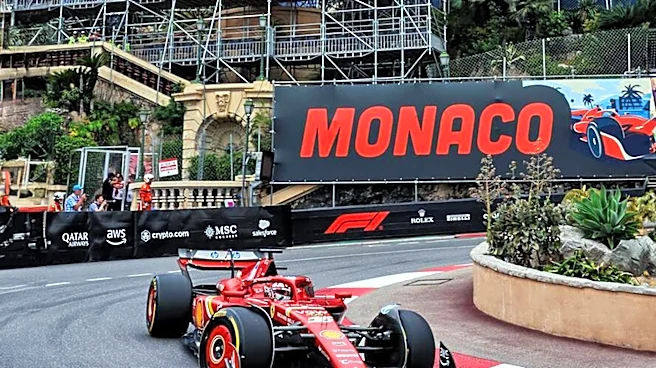
Arvid Lindblad, a rookie on the 2026 Formula 1 grid with Racing Bulls, has chosen not to move to Monaco, a common residence for many F1 drivers. Lindblad cites a desire for personal balance and a normal life away from the constant racing environment as his
reasons. His decision is also influenced by his family's history of hard work and modest living, which contrasts with the opulence of Monaco. Lindblad's choice reflects his commitment to maintaining a sense of normalcy and staying true to his values despite the pressures of elite motorsport.
Why It's Important?
Lindblad's decision to reject Monaco residency is significant as it challenges the norm within the F1 community, where many drivers opt for the tax benefits and luxurious lifestyle the principality offers. His stance highlights a growing awareness among athletes about the importance of mental health and personal well-being. This move could inspire other drivers to prioritize personal values over traditional industry expectations. Additionally, Lindblad's story underscores the impact of family values and upbringing on career choices, offering a narrative that resonates with fans and adds depth to his public persona.
Beyond the Headlines
Lindblad's choice may prompt discussions about the lifestyle expectations placed on professional athletes and the potential pressures they face. It raises questions about the balance between personal life and professional demands, especially in high-stakes environments like Formula 1. This decision could also influence how teams and sponsors approach driver support, emphasizing the need for holistic well-being strategies. As the conversation around athlete mental health continues to evolve, Lindblad's example serves as a reminder of the diverse paths to success and fulfillment in sports.