
What's Happening?
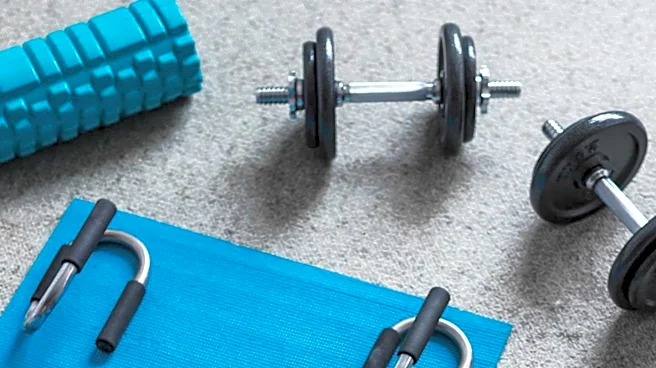
Individuals can effectively train their latissimus dorsi (lats) muscles at home using minimal equipment, such as resistance bands, dumbbells, a stable bench, or a pull-up bar. The key to a productive home lat workout
involves combining vertical pulls, horizontal rows, and controlled pullovers to engage the lats from various angles. Examples of exercises include resistance band lat pulldowns, single-arm dumbbell rows, seated resistance band rows, dumbbell pullovers, pull-ups (or assisted pull-ups), and inverted rows. The approach emphasizes starting with manageable resistance, leading pulls with the elbows, and maintaining a stable torso throughout each repetition. Progressive overload, achieved by gradually adding resistance, repetitions, or slowing down movements, is crucial for continuous development without sacrificing form.
Why It's Important?
This focus on effective home lat exercises is important for promoting accessible strength training, particularly for back health, across the U.S. A strong back is vital for posture, injury prevention, and overall functional movement, and these home-based methods remove barriers like gym access or expensive equipment. For the fitness industry, it highlights the demand for versatile, space-efficient tools and instructional content that supports targeted muscle development at home. This trend empowers individuals to take proactive steps in managing their physical health, fostering self-reliance and consistency in their fitness routines. It also underscores the value of understanding proper form and muscle engagement, which can lead to more effective and safer workouts.
What's Next?
The market for home fitness tools that support targeted muscle groups, like the lats, is expected to grow, with manufacturers likely developing more ergonomic and multi-functional resistance bands, dumbbells, and portable pull-up solutions. There will be an increased demand for high-quality instructional content, including video tutorials and personalized coaching, that guides users through proper form and progressive overload for home lat workouts. Fitness apps may integrate more sophisticated tracking for specific muscle groups and offer adaptive routines based on available equipment. Additionally, as awareness of back health increases, there may be a greater emphasis on incorporating lat-focused exercises into general home workout programs to address common postural issues and prevent discomfort.
Beyond the Headlines
The emphasis on home lat exercises reflects a deeper understanding of functional fitness and the importance of balanced muscle development for overall well-being. It challenges the aesthetic-driven focus of some fitness trends, instead promoting exercises that contribute to practical strength and long-term health. This approach can foster greater body awareness, as individuals learn to feel and engage specific muscles during their workouts. Ethically, it promotes a more inclusive view of strength training, making it accessible to individuals who may feel intimidated by traditional gym environments or lack the resources for specialized equipment. The long-term impact could be a population with improved postural health, reduced incidence of back pain, and a greater sense of empowerment in managing their physical capabilities through accessible means.