





What's Happening?
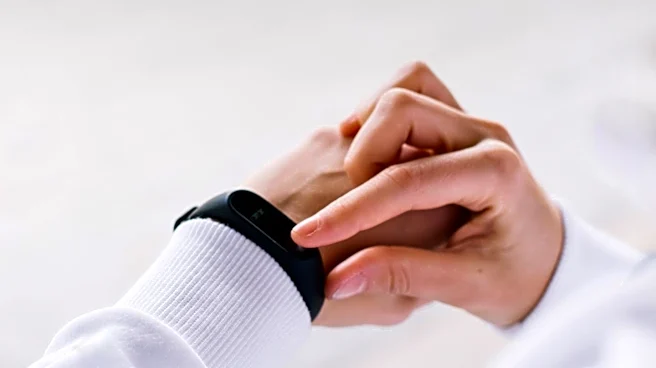
Consumer sleep trackers, including wearables like the Oura Ring and Whoop, and smart mattresses such as the Eight Sleep Pod, provide users with data on their sleep patterns. These devices infer sleep stages by combining data from accelerometry, photoplethysmography
(PPG) for heart rate, and peripheral temperature sensing. While they offer insights into sleep duration, stages (light, deep, REM), heart rate variability (HRV), and recovery scores, they do not directly alter sleep behavior. The Oura Ring Gen3 has shown strong accuracy in sleep staging among consumer wearables, while Whoop focuses on a performance-recovery model for athletes. The Eight Sleep Pod uniquely offers active temperature regulation to optimize sleep environments. Experts emphasize that these tools are primarily for pattern detection and can motivate behavioral changes, but an excessive focus on the data can lead to sleep-related anxiety, sometimes termed orthosomnia. The most accurate sleep tracker for 2026 is not definitively stated, as accuracy varies by device and specific metrics tracked.
Why It's Important?
The proliferation of sleep tracking technology has significant implications for public health and consumer behavior in the U.S. While these devices empower individuals with personal health data, the distinction between data provision and direct health improvement is crucial. For industries, this highlights a growing market for wellness technology, but also a responsibility to manage consumer expectations regarding the efficacy of these tools. The potential for 'orthosomnia' underscores a psychological impact, where the pursuit of perfect sleep data can paradoxically worsen sleep quality due to anxiety. This trend also influences healthcare, as individuals may bring tracker data to medical professionals, necessitating a clear understanding of the devices' capabilities and limitations. The emphasis on longitudinal monitoring over single-night accuracy suggests a shift towards long-term health management, impacting how individuals approach their sleep health and how healthcare providers interpret self-reported data.
What's Next?
The future of sleep tracking will likely involve continued advancements in sensor technology and algorithms to improve accuracy and provide more personalized insights. As these devices become more integrated into daily life, there will be an increased need for clear guidelines and educational initiatives to help consumers interpret their data effectively and avoid potential pitfalls like orthosomnia. Healthcare providers may increasingly incorporate sleep tracker data into patient consultations, requiring them to stay informed about the latest technologies and their validated accuracy. The market is expected to see further innovation in areas like active temperature regulation and non-wearable tracking solutions. Additionally, the development of more robust independent validation studies will be critical to substantiate claims of accuracy and efficacy, guiding both consumers and medical professionals in their choices and recommendations.
Beyond the Headlines
Beyond the immediate utility of sleep trackers, their widespread adoption raises deeper questions about the quantification of human experience and the potential for technology to reshape our relationship with natural biological processes. The concept of a 'sleep score' or 'readiness score' can create a performance-oriented mindset around sleep, potentially shifting it from a restorative necessity to another metric to optimize. This commodification of sleep data also brings privacy concerns, as sensitive health information is collected and processed by commercial entities. Ethically, the industry faces the challenge of balancing innovation with responsible communication, ensuring that users understand the difference between a wellness tool and a medical device. Culturally, the reliance on external devices for self-knowledge could alter our intrinsic awareness of our bodies' needs, potentially leading to a disconnect from natural cues in favor of algorithmic interpretations.