







What's Happening?
Helion Energy, an Everett, Washington-based fusion startup, has announced a letter of intent with the U.S. Department of Commerce for up to $175 million in funding. This award, part of the CHIPS Research and Development Office, will support a three-year
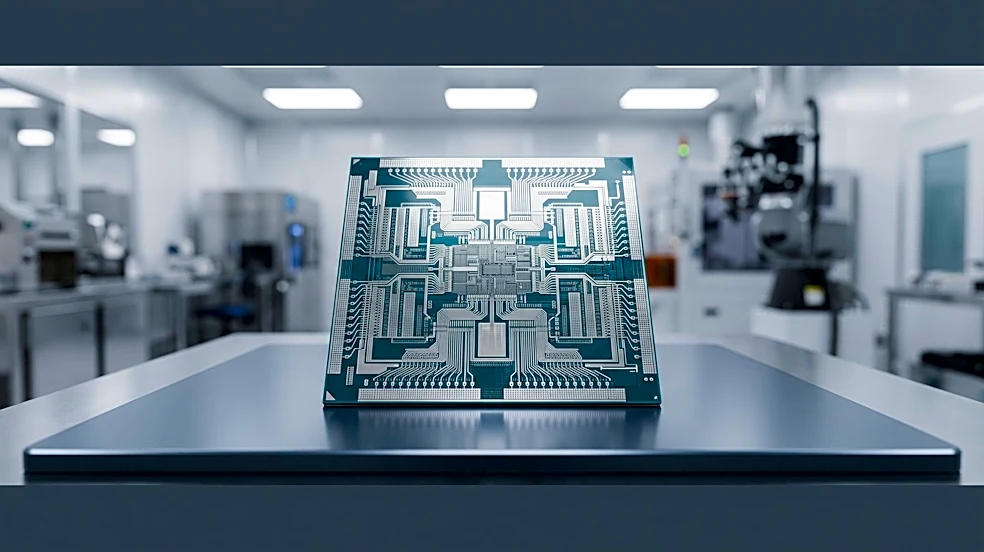
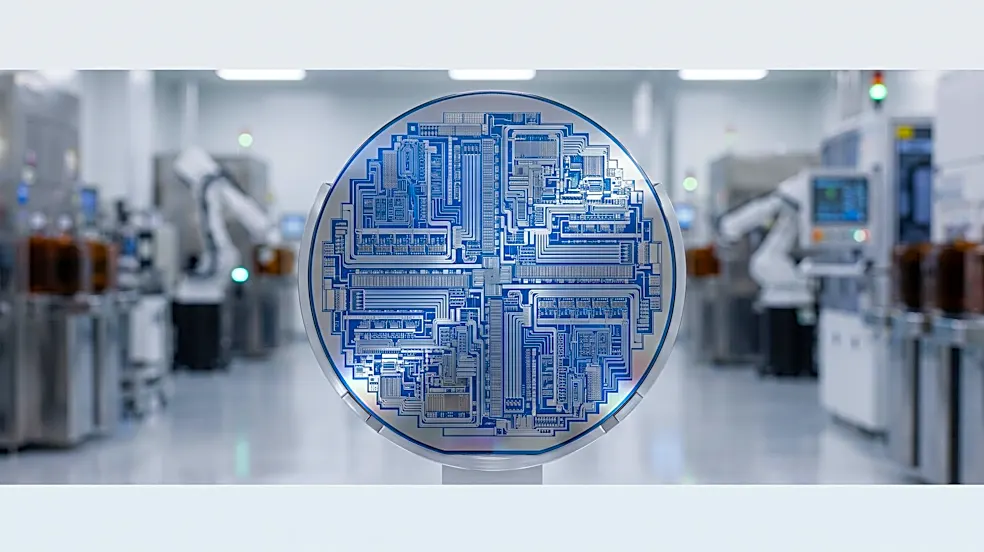
program focused on R&D tied to semiconductor technology for commercial fusion energy. The funding is contingent on a finalized deal, under which Commerce would receive a $175 million non-voting equity interest in Helion. Helion is also committing $50 million of private investment to this semiconductor initiative. The program has two main areas of focus: over $100 million will be allocated to R&D and manufacturing in Everett for next-generation, high-voltage semiconductors and advanced packaging, while approximately $80 million will support R&D for next-generation semiconductor development in partnership with GlobalFoundries. This expansion into semiconductor work is crucial for Helion's goal of building the world's first fusion plant, with initial operations targeted for 2028.
Why It's Important?
This potential $175 million CHIPS award to Helion Energy is significant for several reasons. Firstly, it represents a substantial federal investment in both fusion energy and advanced semiconductor manufacturing, two critical areas for U.S. technological leadership and energy independence. The development of high-voltage semiconductors is essential for Helion's fusion system, which relies on these components to control electricity at high voltages and efficiently recover energy. By supporting domestic R&D and manufacturing of these specialized semiconductors, the award aims to strengthen the U.S. supply chain for critical technologies, reducing reliance on overseas vendors. Furthermore, this investment is expected to create over 100 high-paying jobs in Everett, Washington, contributing to economic growth and fostering a skilled workforce in advanced technology sectors. The project aligns with the broader goals of the CHIPS and Science Act, which was championed by Washington Senator Maria Cantwell, to boost domestic semiconductor production and research.
What's Next?
The immediate next step is the finalization of the deal between Helion Energy and the U.S. Department of Commerce. Once finalized, the three-year program for advanced semiconductor R&D and manufacturing will commence. Helion plans to use the funds to expand its semiconductor development and manufacturing efforts in Everett, creating new jobs for materials scientists, semiconductor engineers, technicians, and assemblers. The partnership with GlobalFoundries will also advance next-generation semiconductor development. Concurrently, Helion will continue its work on building its commercial-scale Orion fusion plant in Malaga, Washington, with the goal of starting operations in 2028. The semiconductors developed through this initiative are expected to be integrated into the Orion plant, potentially late in its construction, further enhancing the efficiency and performance of its fusion technology.
Beyond the Headlines
This development signifies a deeper strategic alignment between government investment and private sector innovation in critical technology areas. The CHIPS Act, initially focused on traditional semiconductor manufacturing, is now extending its reach to support emerging technologies like fusion energy, recognizing the interconnectedness of these fields. The investment in high-voltage semiconductors for fusion applications highlights a forward-looking approach to energy solutions, aiming to overcome current technological barriers to commercializing fusion power. This could position the U.S. at the forefront of both advanced semiconductor technology and clean energy production. The collaboration between a startup like Helion and established entities like GlobalFoundries, backed by federal funding, illustrates a model for accelerating technological breakthroughs and building robust domestic supply chains for future industries.