








What's Happening?
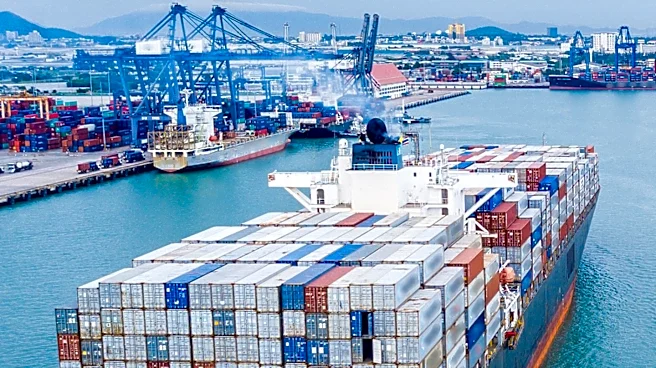
Bayer Crop Science has filed a petition with the U.S. International Trade Commission (ITC) seeking the imposition of tariffs on glyphosate imports, particularly from China. The petition, filed on June 30, 2026, calls for anti-dumping and countervailing
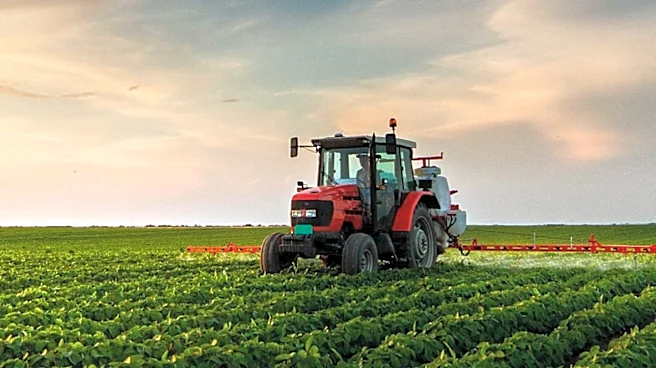
duties, arguing that these imports are sold below fair market value, which undermines domestic manufacturers. Glyphosate is a widely used herbicide crucial for North American crop production, especially in corn, soybean, and wheat systems. The National Association of Wheat Growers (NAWG) and the American Soybean Association (ASA) have expressed strong opposition, warning that such tariffs could exacerbate the financial strain on farmers by increasing input costs. Past tariffs on agricultural inputs like phosphate fertilizers have already led to significant cost increases for farmers.
Why It's Important?
The potential imposition of tariffs on glyphosate imports could have significant economic implications for U.S. farmers. With an estimated 99% of glyphosate used in the U.S. sourced from China, any trade restrictions could lead to higher prices for this essential crop protection product. This comes at a time when farmers are already facing high input costs, weak commodity prices, and market uncertainty. The NAWG and ASA argue that additional tariffs could further strain the farm economy, which is already under pressure from previous tariff actions. The outcome of Bayer's petition could influence the cost structure of U.S. agriculture, affecting the competitiveness and viability of domestic farming operations.
What's Next?
The ITC will review Bayer's petition to determine if there is sufficient evidence of unfair trade practices to warrant an investigation. If the investigation proceeds and tariffs are implemented, farmers could experience the effects as early as the next crop protection purchasing cycle. The decision will be closely watched by agricultural stakeholders, as it could set a precedent for future trade actions affecting agricultural inputs. The outcome could also impact policy discussions on balancing domestic manufacturing interests with the economic realities faced by farmers.