





What's Happening?
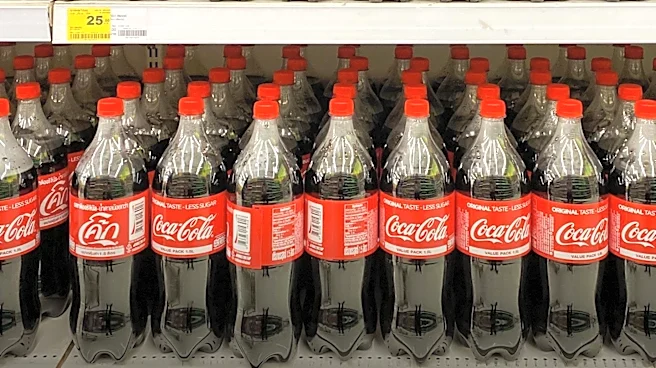
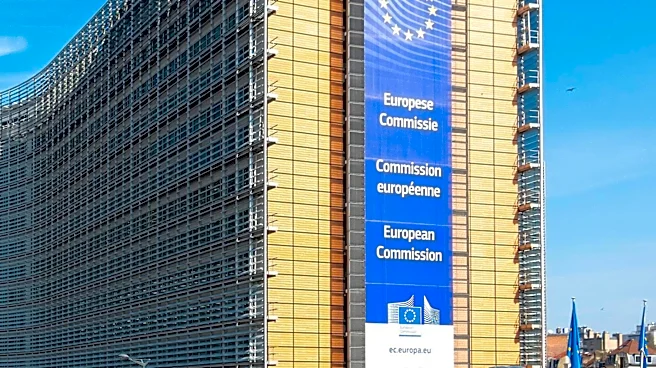
The European Commission has initiated a formal antitrust investigation into Coca-Cola Europacific Partners (CCEP), one of Europe's largest bottlers of Coca-Cola products. The probe aims to determine if CCEP has abused its dominant market position by restricting
cross-border trade and preventing retailers from negotiating multi-country supply agreements within the EU. The investigation follows unannounced inspections conducted at CCEP's premises in several member states in March 2025. Concerns include whether CCEP has made wholesale discounts conditional on retailers agreeing not to export drinks to other EU countries, deliberately varied packaging sizes to hinder cross-border trading, and offered incentives to limit imports into Spain. Additionally, the Commission is examining if CCEP has insisted on separate national purchasing agreements, potentially undermining the bargaining power of multinational retailers. CCEP operates in Belgium, France, Germany, Luxembourg, the Netherlands, Portugal, Spain, and Sweden, where it is the largest supplier of carbonated soft drinks.
Why It's Important?
This investigation is significant as it addresses practices that could undermine the integrity of the EU's single market, potentially leading to higher prices and reduced consumer choice. If CCEP is found to have engaged in anti-competitive behavior, it could face substantial fines, up to 10% of its total annual worldwide turnover, which was nearly €21 billion in 2025. Such a penalty could exceed €2 billion, impacting CCEP's financial standing and operational strategies. The probe also signals a broader effort by Brussels to tackle territorial supply restrictions across various industries, which prevent retailers from sourcing goods more cheaply across EU borders. The outcome could set a precedent for how large multinational corporations operate within the EU, particularly concerning pricing strategies and supply chain management, affecting both manufacturers and retailers across the bloc.
What's Next?
The European Commission will proceed with its in-depth investigation into CCEP's wholesale practices. While there is no statutory deadline for the conclusion of the investigation, CCEP has stated its commitment to cooperating fully with the authorities. The opening of formal proceedings means that individual EU member states' competition authorities can no longer pursue their own investigations into the same suspected breaches. However, retailers who believe they have suffered financial losses due to CCEP's practices can still file damages claims in national courts, though these proceedings might be suspended pending the Commission's findings. The Commission is also consulting on broader measures to address territorial supply restrictions that fall outside existing competition law, indicating potential future regulatory actions beyond this specific case.
Beyond the Headlines
This investigation delves into the complex interplay between corporate market dominance and the principles of a unified European single market. Beyond the immediate financial implications for CCEP, the case highlights the ongoing challenge of ensuring fair competition and preventing market fragmentation within the EU. The alleged practices, such as varying packaging sizes and imposing conditions on cross-border sales, illustrate sophisticated methods companies might employ to control pricing and distribution across different national markets. This could lead to a re-evaluation of existing competition laws and potentially new regulations aimed at strengthening consumer protections and fostering a more integrated European economy. The outcome will likely influence how other dominant players in the consumer goods sector structure their distribution and pricing strategies across the EU, emphasizing transparency and fairness in cross-border trade.