






What's Happening?
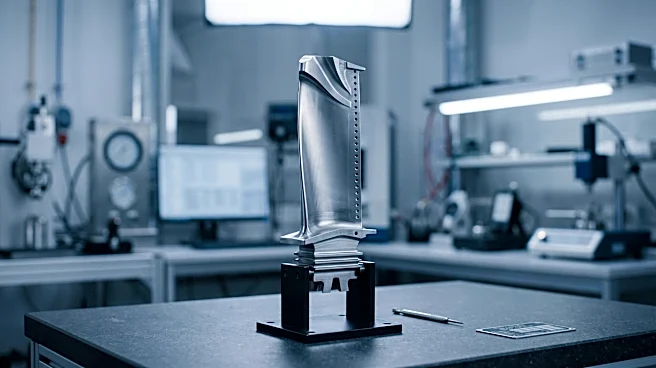
Moog Inc., a global designer and manufacturer of high-performance precision motion and fluid controls, is actively recruiting for a Machinist II position in Buffalo, New York. This role is within their Military Aircraft Group and focuses on setting up and operating
CNC and/or manual lathes to produce complex parts with tight tolerances and fine finishes. The company emphasizes the importance of precision, quality, and continuous improvement in this role, as the components directly contribute to advanced aerospace, defense, and industrial applications. Candidates are expected to have at least one year of experience as a CNC Lathe Machinist, a working knowledge of G-Code, and familiarity with Fanuc controls. The position requires the ability to interpret complex drawings, including GD&T blueprints, and perform self-inspection of work. Adherence to Federal Aviation Agency (FAA) regulations, including participation in the company’s FAA Drug & Alcohol Program, is also a requirement for this safety-sensitive role.
Why It's Important?
This recruitment drive by Moog Inc. is significant for several reasons. Firstly, it highlights the ongoing demand for skilled manufacturing labor in the U.S. aerospace and defense sectors, particularly for precision machining. The need for experienced machinists capable of working with tight tolerances underscores the sophisticated nature of components required for military aircraft and other advanced systems. Secondly, Moog Inc.'s role as a key supplier in these critical industries means that filling such positions is vital for maintaining the production and innovation pipeline for national security and technological advancement. The company's emphasis on a performance culture and continuous improvement suggests a commitment to high standards, which is crucial for the reliability and safety of aerospace and defense applications. The job opening also reflects the economic activity and job creation within the manufacturing sector in regions like Buffalo, NY, contributing to local employment and economic stability.
What's Next?
Moog Inc. will continue its recruitment efforts to fill the Machinist II position, seeking qualified candidates who meet the specific technical and experience requirements. Successful applicants will undergo a hiring process that likely includes technical assessments to verify their machining skills and knowledge of G-Code and Fanuc controls. Once hired, new machinists will be integrated into the Military Aircraft Group, contributing to the production of critical components. The company's ongoing need for such specialized roles suggests a sustained demand for its products and services in the aerospace and defense markets. Moog Inc. will also likely continue to invest in training and development for its workforce to ensure they remain proficient with evolving technologies and manufacturing processes, maintaining its competitive edge and operational excellence in high-performance control systems.
Beyond the Headlines
The demand for highly skilled machinists like those sought by Moog Inc. points to a broader challenge and opportunity within the U.S. manufacturing landscape: the need to cultivate and retain a skilled technical workforce. As industries like aerospace and defense become increasingly reliant on precision engineering and advanced manufacturing techniques, the gap between available talent and industry needs can widen. This situation underscores the importance of vocational training programs, apprenticeships, and STEM education initiatives to prepare future generations for these specialized roles. Furthermore, the strict FAA regulations mentioned for this position highlight the stringent safety and quality standards inherent in the aerospace industry, which demand meticulous attention to detail and adherence to protocols. The continuous innovation in aerospace and defense also means that machinists must be adaptable and committed to lifelong learning to keep pace with new materials, designs, and manufacturing processes, ensuring the U.S. maintains its leadership in these critical technological domains.