








What's Happening?
The commercial real estate leasing sector demands a distinct skill set and understanding from agents, differing significantly from residential rentals. According to Easy Realty, agents entering this field must deliberately learn new market dynamics, terminology,
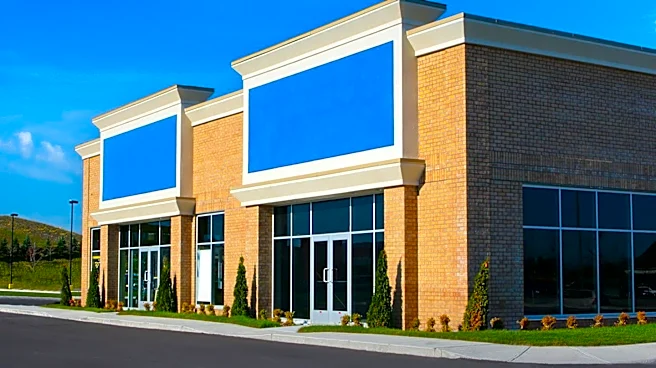
and client objectives. Commercial leasing encompasses various property types, including retail, office, industrial, and mixed-use spaces. Unlike residential clients who primarily seek living spaces, commercial tenants require real estate to support specific business operations, influencing their priorities regarding location, configuration, and accessibility. Agents are advised to specialize in a particular market segment, such as a specific geography or property type, to build meaningful expertise. This specialization helps in understanding the nuances of commercial rent structures, which are often more complex than straightforward monthly amounts, and in recognizing when to seek specialist advice from legal, accounting, or construction professionals.
Why It's Important?
The specialized nature of commercial real estate leasing is crucial for the efficient functioning of the U.S. business landscape. Businesses, from small startups to large corporations, rely on suitable commercial spaces to operate, grow, and contribute to the economy. Agents who possess deep knowledge of commercial leasing can effectively match businesses with appropriate properties, thereby fostering economic activity and job creation. Conversely, a lack of specialized expertise can lead to inefficient transactions, unsuitable property placements, and potential legal or financial complications for both landlords and tenants. This emphasis on specialized knowledge ensures that commercial property owners can find reliable occupants and that businesses can secure locations that align with their operational needs, ultimately impacting local economies and the broader national business environment.
What's Next?
For real estate agents, the next step involves targeted education and consistent market study to transition into or enhance their commercial leasing practice. This includes familiarizing themselves with commercial leasing terminology, understanding the business requirements behind property needs, and recognizing when to involve other professionals for specialized advice. Developing strong relationships with commercial property owners, tenants, and investors will be key to building a sustainable practice. As agents gain experience, they may choose to deepen their specialization within leasing or expand into other commercial real estate areas like sales, investment property, or land development. The continuous evolution of commercial markets will necessitate ongoing learning and adaptation for agents to remain effective and valuable to their clients.
Beyond the Headlines
The distinction between residential and commercial real estate leasing highlights a broader trend in professional services towards increasing specialization. As markets become more complex, the demand for experts with niche knowledge grows. This development has implications for professional training and certification programs, emphasizing the need for curricula that address the unique challenges and opportunities within specific sectors. Furthermore, the reliance on specialized advice from legal, accounting, and construction professionals underscores the interconnectedness of various industries in facilitating commercial transactions. This collaborative approach is essential for navigating the intricate regulatory, financial, and operational aspects of commercial real estate, ensuring ethical practices and successful outcomes for all stakeholders.