





What's Happening?
U.S. Rep. Paul Tonko, an Amsterdam Democrat and lead sponsor of the legislation that empowered the Horseracing Integrity and Safety Authority (HISA), was among the officials copied on a letter sent to the Federal Trade Commission (FTC). The letter, from
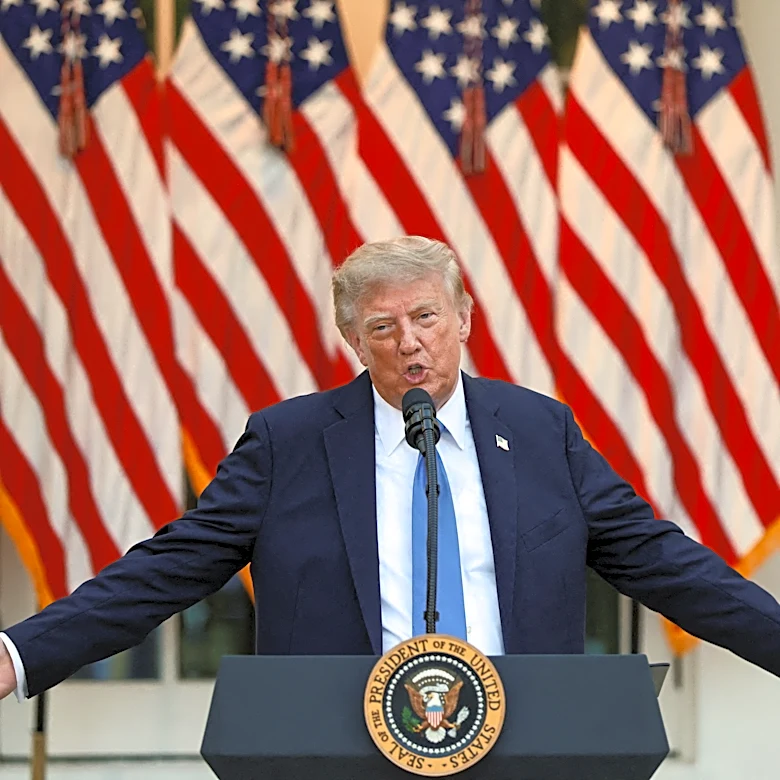
Churchill Downs Incorporated CEO Bill Carstanjen, expressed "serious concern" regarding HISA's governance, transparency, technology controls, and accountability. This communication follows criticisms from prominent horse owner Mike Repole, who voiced his dissatisfaction with HISA's operations and its handling of recent controversies. The letter specifically cited the "Fair Hill Five" betting coup scandal involving races at Saratoga and Monmouth Park, as well as a controversy surrounding owner Marshall Gramm, who was provisionally suspended for allegedly accessing confidential veterinary treatment records through HISA's portal. The letter requested that the FTC initiate an independent review of HISA's management of these issues. HISA was established by a bipartisan act of Congress, signed into law by President Trump, to create national standards for racetrack safety and anti-doping rules in horse racing, aiming to replace a fragmented state-by-state regulatory system.
Why It's Important?
This development is important because it highlights significant challenges and criticisms facing HISA, an organization created to bring integrity and safety to the U.S. horse racing industry. As the lead sponsor of the legislation empowering HISA, Rep. Tonko's involvement, even as a recipient of the letter, underscores the political scrutiny the organization is under. The concerns raised by a major industry player like Churchill Downs and a prominent owner like Mike Repole suggest a potential lack of confidence in HISA's effectiveness and oversight capabilities. If these issues of governance, transparency, and accountability are not adequately addressed, it could undermine the very purpose of HISA, which was to standardize and improve safety and integrity across the sport. A failure to instill confidence could lead to further calls for reform or even a reevaluation of the legislative framework that established HISA, potentially impacting the future of horse racing regulation and its economic stability in the U.S.
What's Next?
The request for an independent review by the Federal Trade Commission (FTC) indicates that HISA's operations and accountability will likely undergo further scrutiny. The FTC's response to this request will be a critical next step, potentially leading to an investigation that could either validate or refute the concerns raised by Churchill Downs and others. Depending on the outcome, HISA may be compelled to implement significant changes to its governance, technology controls, and transparency practices. Stakeholders, including horse owners, racing regulators, and political figures like Rep. Tonko, will be closely watching these developments. Continued pressure from industry leaders and lawmakers could lead to legislative amendments to the Horseracing Integrity and Safety Act of 2020 if the current framework is deemed insufficient to address the identified problems. The ongoing debate also suggests that the horse racing industry will continue to grapple with internal divisions regarding the best approach to regulation and oversight.
Beyond the Headlines
Beyond the immediate concerns about HISA's operational integrity, this situation reflects a broader tension within the horse racing industry regarding federal oversight versus traditional state-level regulation. The establishment of HISA was a significant shift, moving away from a patchwork of state rules to a national standard, a move supported by President Trump. However, the current criticisms suggest that implementing such a sweeping change is complex and fraught with challenges, including resistance from various stakeholders who may prefer less federal involvement or different regulatory approaches. The ethical implications of data security, as highlighted by the Marshall Gramm controversy, also come to the forefront, raising questions about the protection of sensitive information within regulatory bodies. Ultimately, the success or failure of HISA in addressing these issues could set a precedent for federal intervention in other traditionally state-regulated industries, impacting the balance of power and regulatory philosophy in U.S. sports and beyond.