


What's Happening?
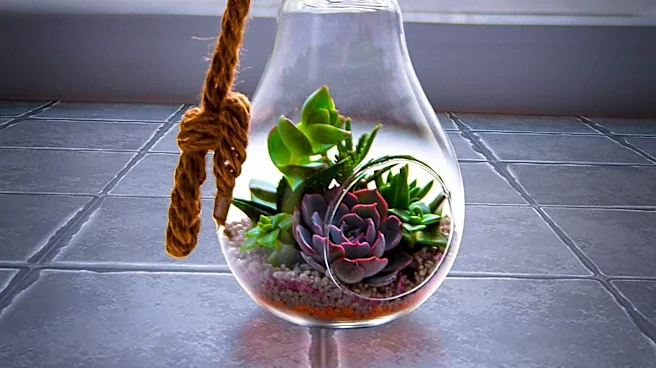
A DIY project detailed by Our Upcycled Life on YouTube demonstrates how to repurpose old glass jars into rustic hanging planters for succulents. This initiative aims to provide a low-maintenance and aesthetically pleasing way to display houseplants, particularly
for individuals seeking to integrate a rustic interior aesthetic into their homes. The process involves painting a glass jar white, adorning it with a phrase using a reverse transfer method, and then hanging it from a repurposed banana hanger with natural twine. Essential materials for this project include a clean glass jar, white chalk paint, black paint, sandpaper, decoupage medium, printed text, a paintbrush, natural twine, and a banana hanger. The project emphasizes using readily available or inexpensive items to create unique home decor, offering an alternative to traditional plastic nursery pots for succulents. The instructions detail steps such as painting the jar and hanger, distressing the hanger for an earthy look, applying text via decoupage, sealing the jar, and attaching twine for hanging. Customization options are also highlighted, allowing individuals to personalize their planters with different colors, designs, or decorative techniques like puff paint.
Why It's Important?
This DIY project is significant for several reasons, primarily promoting sustainability and accessible home decor. By encouraging the upcycling of glass jars, it contributes to waste reduction and fosters a more environmentally conscious approach to home furnishing. The project offers an affordable solution for individuals looking to enhance their living spaces with a rustic aesthetic without incurring significant costs, making stylish decor more accessible. It also empowers individuals with practical skills, encouraging creativity and self-sufficiency in home improvement. The focus on succulents, known for their low-maintenance nature, aligns with contemporary lifestyle trends where people seek easy-care plants to bring greenery indoors. Furthermore, the project taps into the growing popularity of DIY culture and personalized home environments, allowing individuals to create unique pieces that reflect their personal style rather than relying solely on mass-produced items. This approach can foster a sense of accomplishment and connection to one's living space.
What's Next?
The popularity of such DIY projects is likely to continue growing, with more individuals seeking creative and sustainable ways to decorate their homes. We can anticipate an increase in online tutorials and communities dedicated to upcycling and rustic decor, further expanding the reach and influence of these ideas. Retailers might also respond by offering more DIY kits or affordable materials tailored to such projects, recognizing the market demand for personalized and eco-friendly home solutions. Additionally, the trend could inspire further innovation in repurposing other common household items, leading to a broader movement of sustainable home decor. As awareness of environmental impact grows, consumers may increasingly prioritize upcycled and handmade items over new purchases, driving a shift in consumer behavior towards more conscious consumption. This could also lead to workshops and local community initiatives focused on teaching upcycling techniques, fostering a sense of community and shared creativity.
Beyond the Headlines
Beyond the immediate appeal of creating a decorative item, this DIY project reflects broader cultural shifts towards sustainability, mindfulness, and the value of handmade goods. In an era of mass production and disposability, the act of transforming discarded items into something new and beautiful carries significant ethical implications, promoting a circular economy and reducing landfill waste. It also speaks to a desire for authenticity and connection to the objects in one's home, moving away from generic, store-bought decor towards items with a story and personal touch. This trend can be seen as a form of quiet rebellion against consumerism, emphasizing resourcefulness and creativity. Psychologically, engaging in DIY projects can offer therapeutic benefits, providing a sense of accomplishment and a creative outlet. Culturally, it reinforces the idea that value can be found in the old and discarded, challenging perceptions of what is considered 'waste' and fostering a greater appreciation for craftsmanship and ingenuity.