





What's Happening?
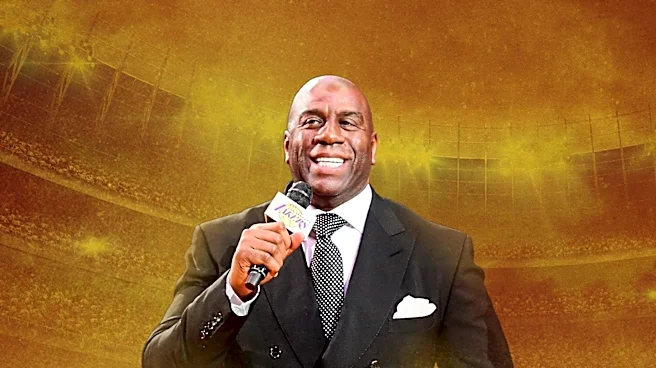
Debbie Allen, a prominent advocate for the HIV/AIDS community, recently discussed with PEOPLE magazine the profound impact of Magic Johnson's 1991 HIV announcement on the production of a pivotal episode of 'A Different World'. Allen recounted how the news
interrupted a read-through for the show's fourth season episode, 'If I Should Die Before I Wake', causing emotional distress among the cast and crew. Johnson's announcement, made when he was 32, initiated a broader cultural conversation about HIV and AIDS, shifting public perception away from it being solely a 'gay cancer'. This event spurred Allen and her team to create an episode that addressed the illness within the context of a Historically Black College and University (HBCU) campus, focusing on the disproportionate impact on Black women. The episode featured Whoopi Goldberg as a guest star and Tisha Campbell as Josie, a student who contracted AIDS from an unfaithful boyfriend. Despite initial resistance from network television and advertisers, the episode aired and became the series' highest-rated, with Allen believing it saved millions of lives by breaking the ice on responsible television programming regarding the issue.
Why It's Important?
This event highlights a significant moment in U.S. television history where a popular sitcom directly confronted a major public health crisis, influencing public discourse and awareness. The decision by 'A Different World' to tackle HIV/AIDS, particularly focusing on its impact within the Black community and on Black women, was groundbreaking. At a time when advertisers were hesitant and networks were reluctant to show even a condom, the show's commitment to addressing a real-world issue demonstrated a powerful use of media for social responsibility. This initiative not only educated viewers but also challenged prevailing stigmas and misconceptions surrounding HIV/AIDS. The episode's success underscored the potential of entertainment to drive social change and public health education, especially within communities that were often overlooked or disproportionately affected. It set a precedent for other television programs to address sensitive and critical societal issues, demonstrating the influence of media in shaping public understanding and empathy.
What's Next?
Debbie Allen continues her advocacy for the HIV/AIDS community, most recently partnering with Merck for a new educational program called 'Your Hive of Whole Health'. This initiative aims to provide resources and support for the community, focusing on mental, physical, spiritual, and social well-being. The program's website offers free, well-researched information, encouraging individuals to log on, share, and help their communities thrive. Furthermore, a Netflix sequel series of 'A Different World' has debuted, with Allen ensuring that strong messaging remains a core part of the show, adapted for today's young people. The revival aims to continue addressing contemporary challenges faced by young Americans, particularly those at HBCUs, reflecting Allen's belief in the importance of young voices and the show's role in bringing critical issues to public attention.
Beyond the Headlines
The narrative surrounding 'A Different World's' HIV/AIDS episode reveals deeper implications regarding the intersection of entertainment, public health, and social justice. The initial resistance from network executives and advertisers underscores the commercial pressures that often dictate content, highlighting the courage required to prioritize social impact over potential financial losses. The episode's focus on the disproportionate impact of HIV/AIDS on Black women also sheds light on systemic health disparities and the importance of culturally relevant storytelling in public health campaigns. Allen's experience at Howard University, where she witnessed significant social and political movements, informed her commitment to using 'A Different World' as a platform for addressing real-world issues. This approach not only made the show a cultural touchstone but also demonstrated the ethical responsibility of media creators to reflect and respond to the realities of their audience, fostering empathy and driving critical conversations about health, identity, and community well-being.