








What's Happening?
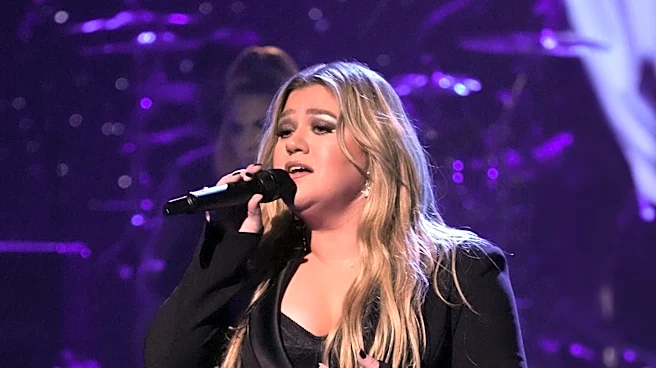
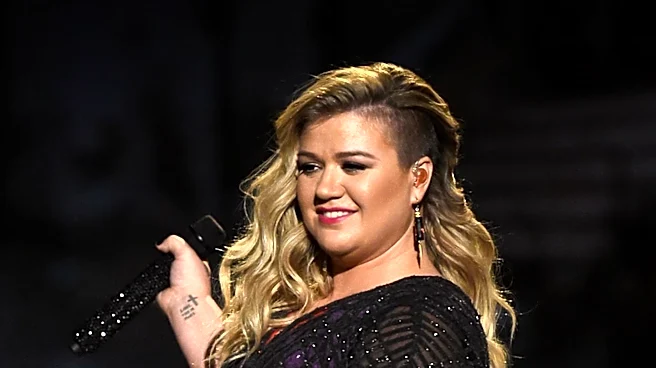
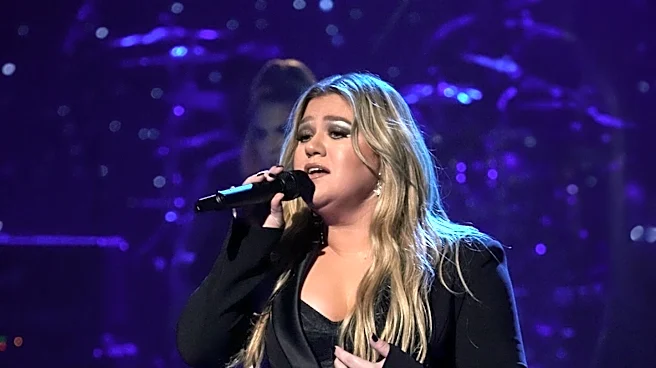
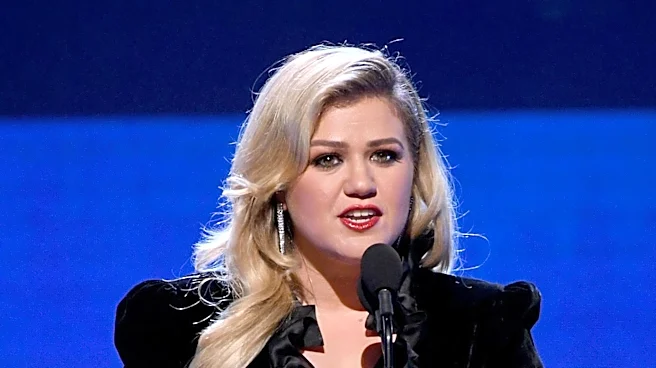
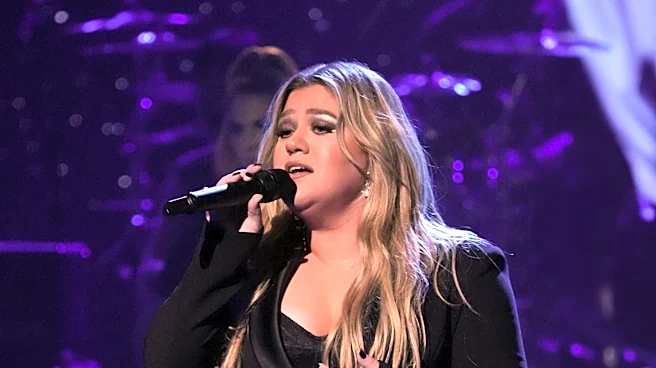
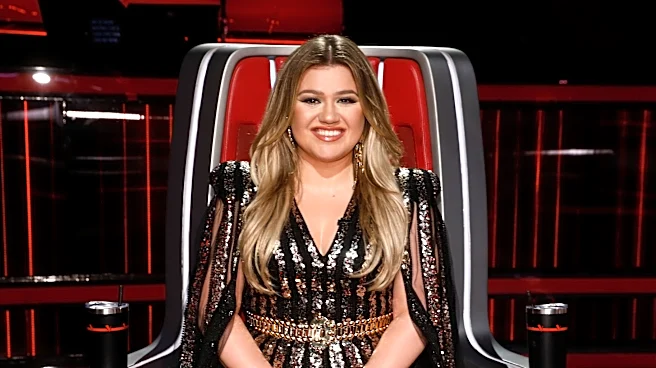
Sara Haines of 'The View' commented on Kelly Clarkson's decision to publicly air a dispute with a Brooklyn store, Art of Play, on social media, stating that Clarkson 'went nuclear.' The discussion on 'The View' on October 12 centered on customer service,
the impact of celebrity influence, and how public complaints affect small businesses. Clarkson initially claimed an employee treated her as if she couldn't afford merchandise, drawing a comparison to a scene in 'Pretty Woman.' The store, Art of Play, disputed her account, specifically regarding a singing and dancing mechanical bird named Molly, which they stated was a fixture and not for sale. Clarkson then challenged the store's explanation by posting a photo of what she claimed was the bird's $15,000 price tag. The store indicated it had contacted Clarkson directly to resolve the disagreement.
Why It's Important?
This incident highlights the significant power and potential pitfalls of celebrity influence in the age of social media, particularly concerning interactions with small businesses. When a public figure like Kelly Clarkson shares a negative experience online, it can rapidly escalate into a widespread controversy, potentially causing substantial reputational and financial damage to the business, regardless of the full truth of the situation. The debate on 'The View' underscores broader societal questions about appropriate channels for customer complaints, the responsibility of public figures, and the impact of online shaming. It also brings to light the challenges small businesses face in managing public relations and defending themselves against high-profile accusations. The differing opinions among 'The View' panelists reflect a common dilemma: balancing a customer's right to complain with the need to protect businesses from potentially disproportionate public backlash.
What's Next?
The immediate next steps involve the ongoing public and private dialogue between Kelly Clarkson and Art of Play. The store has indicated it contacted Clarkson directly, suggesting an attempt to resolve the issue away from public scrutiny. However, given the widespread media attention, the incident may continue to be a topic of discussion on talk shows and social media, potentially influencing public perception of both Clarkson and the store. This event could also prompt other celebrities and businesses to re-evaluate their strategies for handling customer service issues and public complaints. It might lead to increased caution from businesses when interacting with high-profile individuals and encourage celebrities to consider the broader implications of their social media posts. The situation serves as a case study for how digital platforms can amplify personal disputes into significant public relations challenges.
Beyond the Headlines
This controversy delves into the ethical considerations of using social media as a platform for personal grievances, especially when one party holds significant public influence. It raises questions about the fairness and proportionality of online justice, where a single post can trigger a wave of public condemnation without a full and impartial investigation. The incident also highlights the evolving nature of customer service in the digital age, where traditional complaint resolution mechanisms are often bypassed in favor of public shaming. Furthermore, it underscores the vulnerability of small businesses to viral content and the difficulty they face in countering narratives spread by influential figures. The debate on 'The View' implicitly touches upon the concept of 'cancel culture' and its application to consumer disputes, prompting reflection on whether public figures have a moral obligation to consider the potential harm their posts can inflict on individuals and businesses.