





What's Happening?
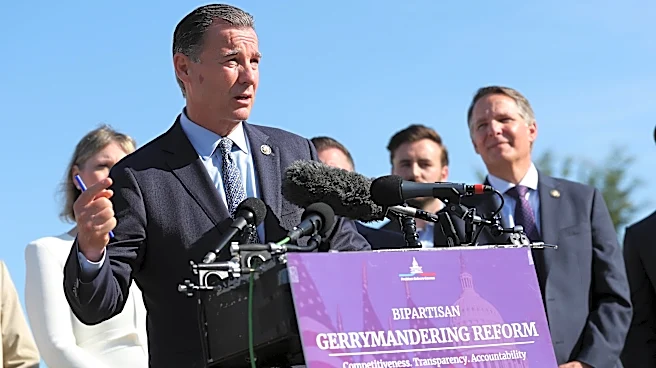
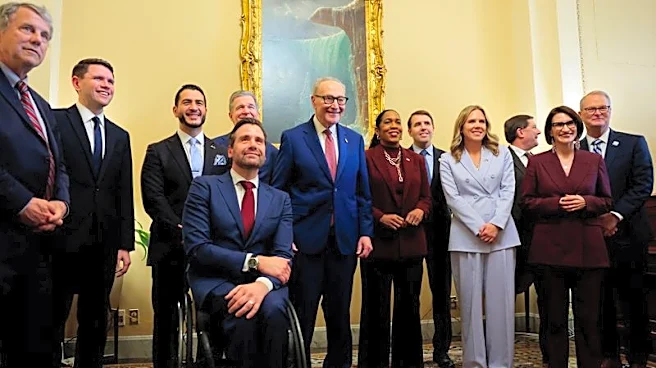
U.S. Senators Todd Young (R-Ind.) and Cory Booker (D-N.J.) have introduced the Optimizing Participant Tax Incentives through Optional Noncash Selections (OPTIONS) Act. This bipartisan legislation aims to provide American workers with greater flexibility
in how they receive employer-provided benefits. The OPTIONS Act would allow employees to choose how certain employer contributions are allocated among various benefits, including retirement savings, student loan repayment, health savings accounts (HSAs), and other eligible benefits. The bill also seeks to establish a clear legal framework for employers to offer these options while maintaining existing tax advantages. Companion legislation has been introduced in the U.S. House of Representatives by Representatives Greg Steube (R-Fla.-17) and Suzan DelBene (D-Wash.-01).
Why It's Important?
The OPTIONS Act addresses a critical need for personalized financial planning in the modern workforce, recognizing that employees have diverse financial circumstances and priorities. By allowing workers to direct employer contributions to areas like student loan repayment or HSAs, the legislation could significantly alleviate financial burdens for many Americans. This flexibility could enhance financial security, particularly for those struggling with student debt or rising healthcare costs, and empower individuals to make choices that best suit their immediate and long-term financial goals. For employers, the act provides a structured way to offer more attractive and relevant benefit packages, potentially improving employee satisfaction and retention. The bipartisan nature of the bill also highlights a shared understanding across political lines regarding the importance of employee financial well-being.
What's Next?
The OPTIONS Act will now proceed through the legislative process in both the Senate and the House of Representatives. Its bipartisan support in both chambers suggests a potential for passage, though the timeline remains uncertain. If enacted, the legislation would amend the Internal Revenue Code to establish qualified benefit options plans, allowing for the allocation of employer contributions to retirement savings, student loan repayment, healthcare expenses, and other eligible benefits. The implementation of such a system would require employers to adapt their benefit structures and communicate these new options to their employees. The success of this legislation could also pave the way for further reforms aimed at increasing flexibility and personalization in employee benefits across the U.S.
Beyond the Headlines
This legislation reflects a growing recognition that traditional, one-size-fits-all employee benefit packages may no longer be sufficient for a diverse workforce. The OPTIONS Act could catalyze a broader shift in how companies design and offer benefits, moving towards more individualized and employee-centric models. This could lead to a more engaged and financially secure workforce, potentially boosting productivity and economic stability. Furthermore, by addressing critical financial stressors like student debt and healthcare costs through employer benefits, the act could indirectly contribute to broader societal goals of economic equity and improved public health. The emphasis on clear legal frameworks also underscores the importance of regulatory clarity in fostering innovation in employee compensation and benefits.